Use This 10 Easy Tips
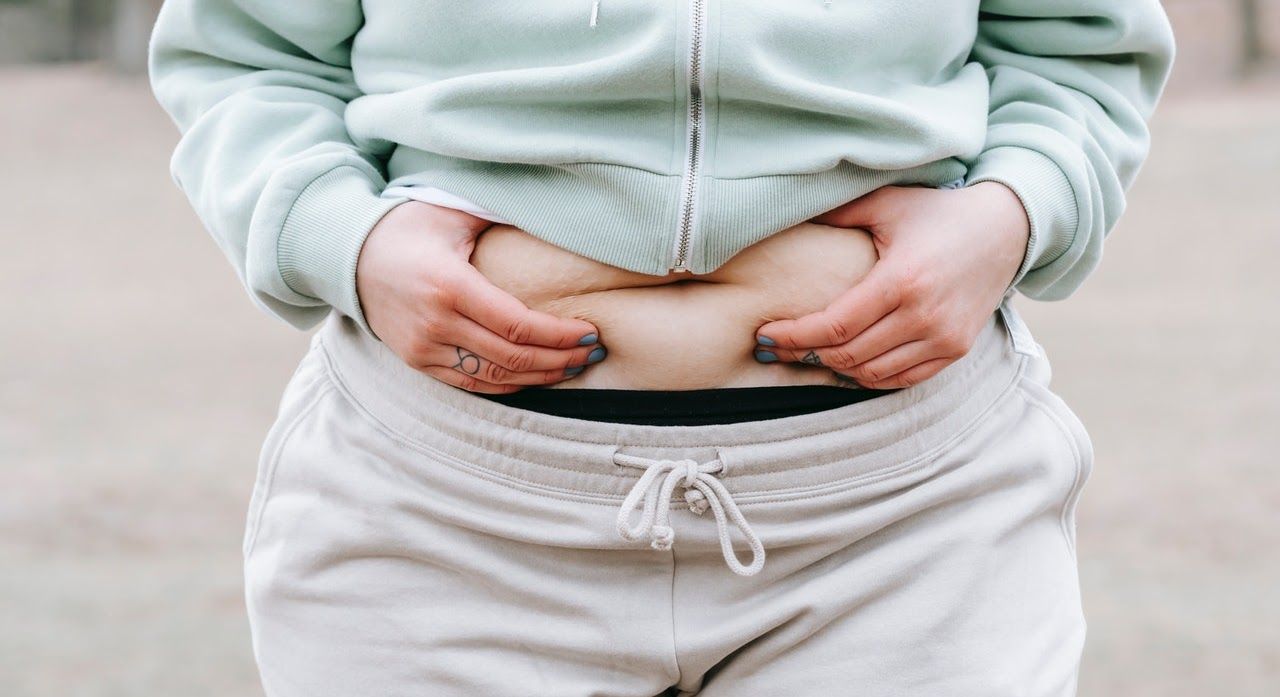
Photo by Andres Ayrton From Pexels
Losing 60 pounds in 3 months sounds like quite an ambitious goal, but it can be done. However health professionals do not encourage people to lose huge amounts of pounds in such a short period of time.
You can lose 60 pounds, but its better if you don't set a short deadline to your goal especially if its a challenging one like losing 60pounds.
The following are ways you can start using on your journey to lose 60 pounds.
1.Don't starve yourself
If you've ever tried to lose weight, either by cutting calories or restricting the kinds of food you eat, you may have noticed that it doesn't work very well.
You might lose weight at first, but then after a while, your metabolism adapts and your body's natural reaction is to slow down and stop losing weight.
If this sounds familiar, there is a better way, eating more to lose weight.
If you're thinking that eating more seems counterproductive to losing weight, consider this, when you cut calories for the sake of cutting calories, your body doesn't know why it's not getting enough energy.
When your body goes into starvation mode and slows down its metabolism to make do with less food energy than it used to, it also starts conserving fat because it thinks food will be scarce in the future.
When you keep cutting calories, the body keeps trying to conserve fat, but it can't help storing away whatever excess energy it still gets from those cut-back calories.
To lose weight without restricting food too much, eat five or six healthy mini meals throughout the day instead of just three main meals and a few snacks.
Keep each meal small and don't eat until you're full.
2. Eat plenty of soluble fiber
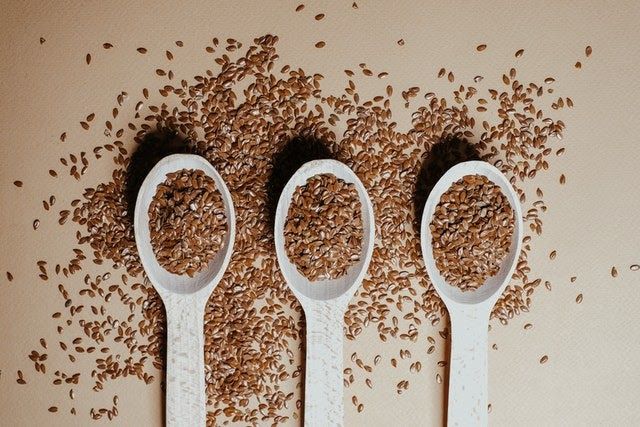
Photo by Vie Studio From Pexels
The secret to losing weight is eating plenty of soluble fiber. Soluble fiber helps you lose weight by making you feel full faster and for longer periods of time.
Fiber has other benefits too, including controlling blood sugar levels and cholesterol, which will help you avoid diabetes, heart disease, and other health problems that can slow down your weight loss efforts.
Soluble fiber comes from foods like apples, pears, oranges, berries, beans, oats, peas, lentils, barley, and psyllium husks.
Remember to eat a variety of these foods as well, you don't want to get bored.
Also keep in mind that not all soluble fiber behaves the same way in the body, some types are better at slowing digestion than others, so experiment with what works best for you.
3. Eat most of your food at home
Whether you're looking to lose weight or just take better care of your health, there are a lot of simple ways to do it.
For example, it's helpful to know that most of your calories should come from food prepared at home instead of food you buy outside the house.
When you eat food prepared for you in a restaurant you don't have a lot of control over what ingredients are used or how much is really in the foods.
You also probably don't know how many calories are actually in your meal.
Therefore, if you're limiting yourself to whatever that restaurant serves and then adding on an extra amount, you could be eating more than you meant to without even realizing it.
The fact that people tend to eat out more when they're trying to lose weight can make things even harder because they might be tempted by all the delicious-looking treats they see around them.
But if you make dinner at home and bring leftovers with you wherever you go, there won't be anything tempting you except what's on your plate.
4. Eliminate unhealthy snacks from your home
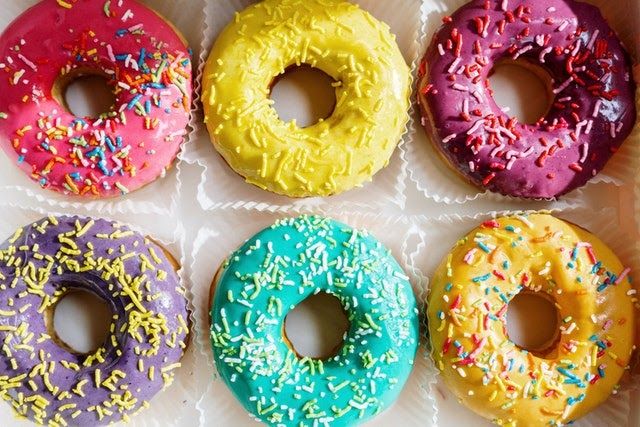
Photo by cottonbro From Pexels
Losing weight is hard work, and it can be discouraging when you have to resist the temptation of your favorite treats, from ice cream to candy bars to chips.
It's helpful, therefore, to eliminate these treats from your home.
If you don't have them around you, it's that much easier to resist their seduction when the craving strikes.
In addition to changing what you eat at home, you should also avoid buying unhealthy snacks at the store.
Instead of stocking up on soda or chips (or both), buy water or unsalted nuts and seeds instead.
5. Eat whole foods, not processed foods
There's one thing I can say about the journey to lose 60 pounds, you should start to eat whole foods, not processed foods.
You may have heard that the easiest way to lose weight is by eating whole foods. This is true for several reasons.
First of all, whole foods are less processed than processed foods, which means they're lower in fat and calories.
Second, whole foods contain fiber and other nutrients that help you feel full longer and allow your body to use food efficiently.
Third, our bodies are designed to run on whole foods. Processed foods are often made with ingredients that aren't healthy for us in high quantities or that we don't need at all.
Whole fruits and vegetables contain fiber, vitamins, minerals, antioxidants, phytochemicals (plant-based chemicals with powerful disease-fighting properties), and other vital nutrients your body needs.
They also contain water which helps fill you up and keep you hydrated throughout the day.
"Whole foods" is a broad term encompassing everything from fruits and vegetables to meat and seafood, but when people use the phrase "eat whole foods," they usually mean something more specific.
The idea behind eating whole foods is to make sure you're getting enough fresh produce in your diet every day.
Processed foods are culprits of some of the most fattening, unhealthy ingredients. When you eat these processed foods, your body is lacking the nutrients it needs to function properly.
It also doesn't know when it's full. Processed food is horrible for you because your body doesn't process it efficiently, which makes it difficult for your body to burn off those calories.
6. Keep a food journal
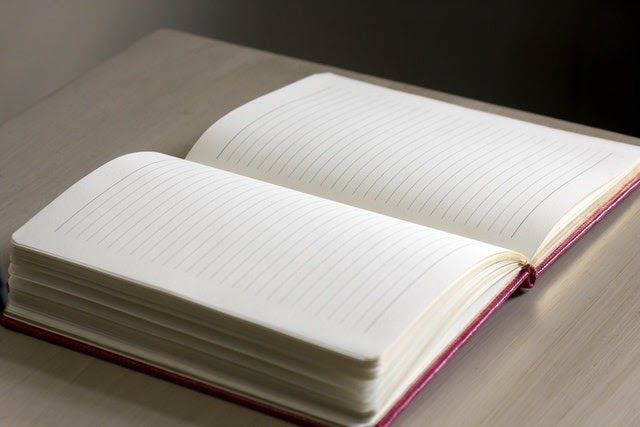
Photo by Pixabay
It's no surprise that having a food journal is an effective way to lose weight.
Research shows that people who keep them eat healthier and lose more weight than those who don't.
But even if you're the kind of person who loves to write, it's hard to keep on top of your food journal when life gets busy.
That's where I come in! I've collected a bunch of tips for making your food journal easier so you have time for anything else you want to do in your life.
Some tips for making your food journal easier:
- Plan meals the night before so you don't have to think about what you're going to eat when you're hungry.
- Use pre-portioned snacks like individual packs of nuts or dried fruit, so you don't overeat or overeat on the wrong things.
- Skip weighing yourself every day, and just weigh yourself weekly.
- Write down everything you eat during the day as soon as possible after eating it, even if you're not hungry at the time.
Click here to get a printable journal
Some tips for keeping your food journal effective:
- Try not to skip meals, make sure you write down what you eat at each one.
- Try not to eat while watching TV or playing video games
7. Cut out sugar and refined carbs
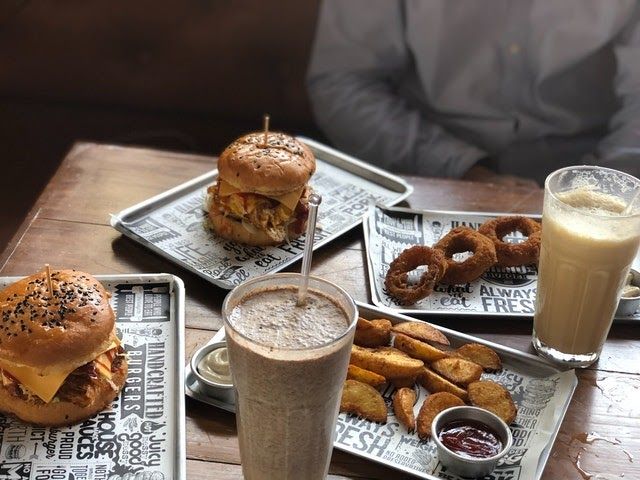
Photo by Sanket SawantFrom Pexels
Sugar is one of the worst things you can eat and refined carbs are almost as bad. But it's hard to avoid them and still enjoy a balanced diet.
So I put together this simple plan that shows you how to cut back on sugar and refined carbs while still enjoying the foods you love.
- First, eliminate all sugary drinks. Soda, juice, iced tea, lemonade, get rid of them all. Instead, drink plenty of water and unsweetened tea.
- If you're thirsty for something with flavor, try sparkling water with a splash of 100% fruit juice or skim milk (it's fine if it's flavored).
- Consume whole grains in moderation and don't give up your favorite foods entirely.
- You can still have your pizza, just make sure to choose whole-wheat crust and hold the cheese, sauce and other toppings (you can add them later if you want).
- If you want potatoes, don't eat the skin or anything that's fried, instead, opt for a baked or microwaved potato.
- You should also try to avoid white breads and pastas, instead choose whole-grain varieties as much as possible (when they're available) and be careful not to load them up with fatty meats or cheeses.
8. Create an exercise plan and stick to it
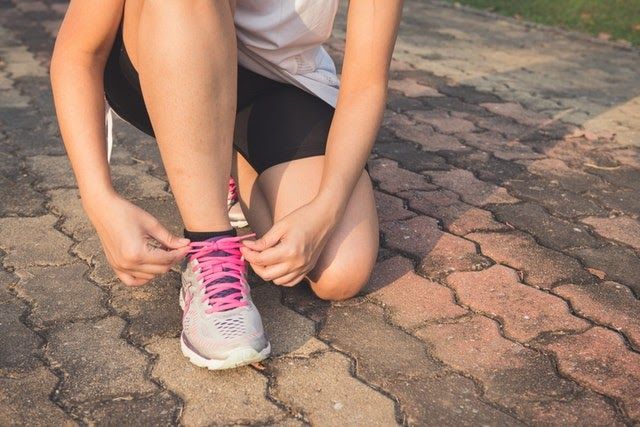
Photo by Tirachard Kumtanom From Pexels
Losing weight and getting fit is a journey. It's full of ups and downs and challenges.
There will be moments where you'll feel like nothing is working, but there will also be moments of success. You just need to keep going, keep pushing forward, and you'll get there.
All you really need is an overall plan for what your workouts will look like each week. This plan doesn't need to be complicated or even that detailed.
Just write down how many days per week you'll be doing cardio, strength training, and mobility/flexibility training (and include stretching in your mobility training).
If you don't know how to do all of these things, don't worry! There are plenty of resources online that can teach you all the basics (and more advanced techniques) for cardio, strength training, and stretching/mobility work.
Remember that with strength training, it's okay to start with lighter weights than you think are necessary if you're just starting out. Your body needs time to adjust to this new stress.
At first it may seem like you're not getting any stronger at all because it feels like the same weight is getting easier every time. But that's actually a good sign, it means your body is getting used to the exercises.
9. Water!
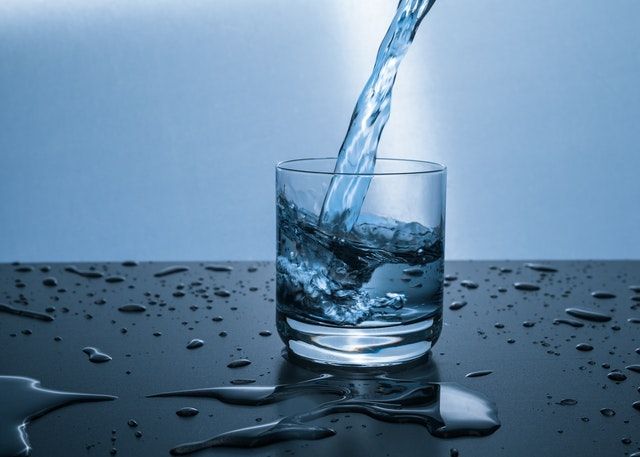
Photo by Pixabay
If you want to lose weight, drink a lot of water. In fact, this is a good rule of thumb for just about anyone seeking to improve their health: Drink water. Seriously.
Look at it from an evolutionary perspective. Why do you think our bodies have evolved to crave the stuff? If there were no benefit to drinking water, we wouldn't naturally seek it out and drink it as much as we do.
Our bodies are running on water. We're made up mostly of water (a whopping 70 percent by weight), and we need a constant supply flowing through our veins in order to function properly.
Our brain cells need it, our muscles need it, and so do all of our organs, water even helps regulate our body temperature! But how much is enough? The "eight glasses per day" guideline sounds about right to me, but I'd recommend tracking your own intake instead of trying to use such an arbitrary number.
Carry a bottle with you everywhere you go and make an effort to regularly sip from it throughout the day, when you're thirsty, that's your body telling you that you need more fluid. When you're feeling hungry, try having some water first before eating.
10. Change your habits
A lot of people who want to lose weight make the mistake of thinking that they need to eat less and exercise more. This dieting mindset can be problematic because it's focused on a limiting factor—calories—and doesn't consider the other factors that might be at play.
Instead of focusing on number of calories, try focusing on what you can do to change your life so that you don't have to count calories at all.
See, whether we're aware of it or not, we're constantly making choices about how much we eat based on our environment and our moods.
If we're feeling low, for example, we might turn to comfort foods like ice cream or chocolate cake. If we're feeling excited after a movie or concert, we might grab dinner and drinks with friends because it feels like a perfect night for celebration.
If we feel tired after work and are really just looking for something quick and easy before bedtime, that's when we might end up reaching for the chips and soda instead of an apple or orange. The idea is to focus on changing your habits so that you don't have to restrict yourself with calorie limits.
What does this mean in practice? It means planning meals and snacks ahead of time so you have healthy options available.
Recommended: Watch this video that reveals the 10 second morning trigger that boosts metabolism and how people use it to burn stubborn fat.
Conclusion
The main thing is that it's not about wanting to lose the weight. It's about knowing what to do and applying it with the motivation that comes from deciding something is achievable.
In order for this to be true, though, you should be sure that you have a realistic goal.
Don't go overboard and say that you'll lose 60 pounds in 3 months, instead, aim for something like 10-15 pounds, which would be a good start to getting back on track.
Disclaimer
This post is intended for general informational purposes only. You should not use this information as a replacement for professional/ medical advice. A licensed physician should be consulted for diagnosis and treatment of any medical conditions. It also contains affiliate links, which means if you purchase anything through them, I get a small commission at no extra cost to you.