Use These 13 Simple Tips
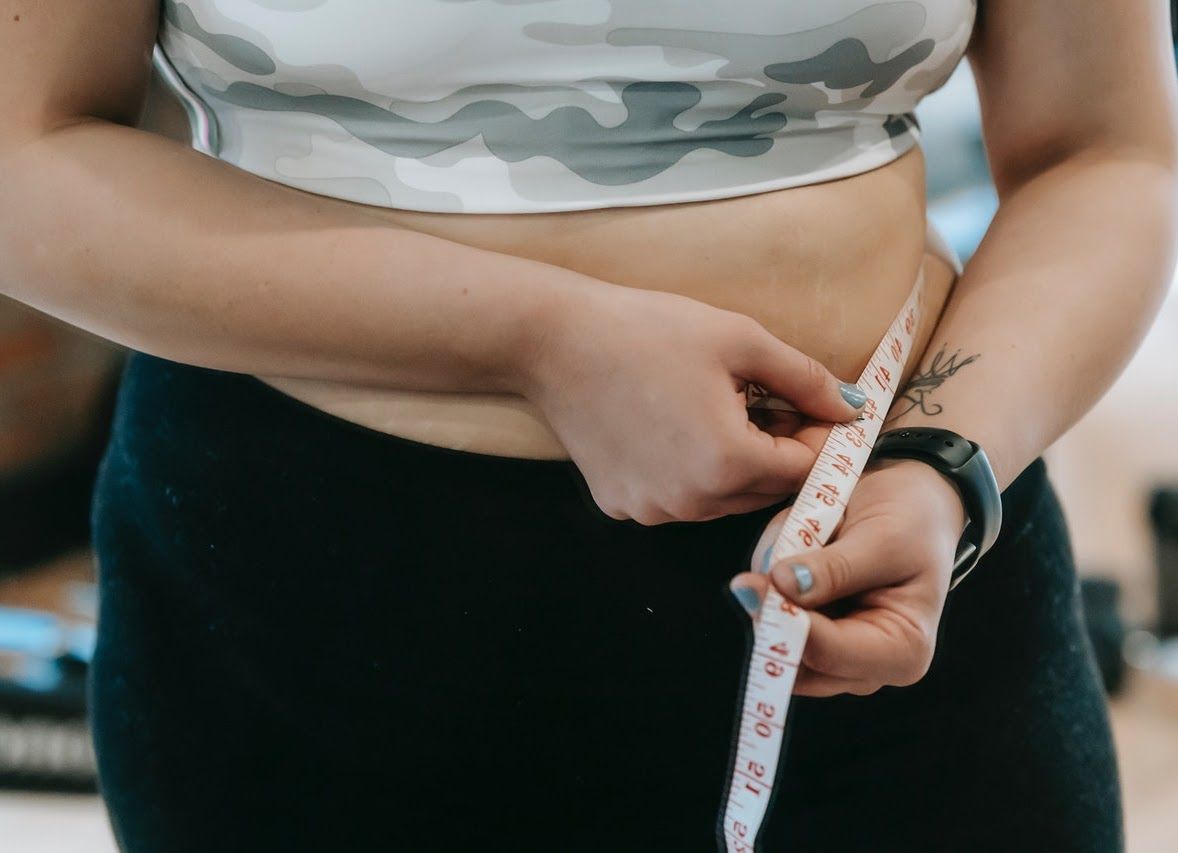
Photo by Andres Ayrton From Pexels
Losing 40 pounds in 4 months may seem like a hard task but it is doable. If you are dedicated, you can achieve this goal.
However, losing too much weight in such a short space is not recommended by professionals. The following are tips to help you on your journey of losing 40 pounds.
1.Get active first thing in the morning
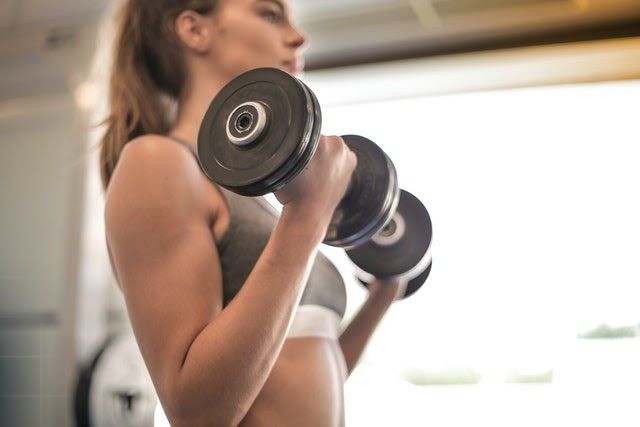
Photo by Andrea Piacquadio From Pexels
If you want to lose weight, try doing something active first thing in the morning. Your metabolism is highest when you wake up, so if you can get up early and do a workout before breakfast, you'll burn more calories.
This will help you lose more weight than simply exercising later in the day. Don't have time for a full workout? A brisk 10- to 15-minute walk will still help you work off some calories!
2. Limit the amount of processed food that you eat
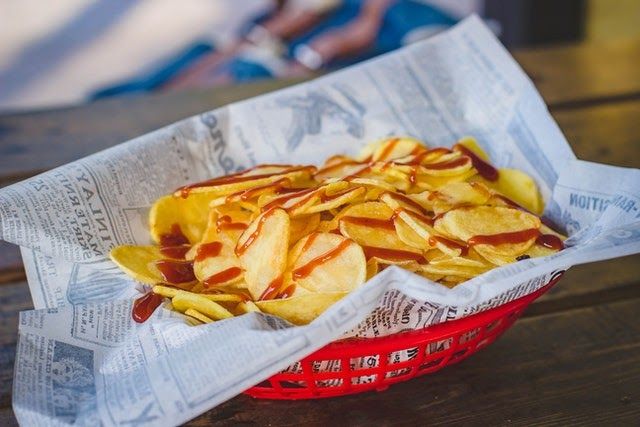
Photo by Valeria Boltneva From Pexels
Sometimes we can't help but eat processed foods. You may be tempted to eat that bag of chips and a bowl of ice cream sometimes. But, it's important to limit the amount of processed food you eat.
Many times, processed food is less nutritious than whole foods, which are foods that have not been altered from their natural state.
Whole foods are loaded with nutrients, vitamins and minerals that are vital for good health.
When it comes to weight loss, it's important to cut out as many processed foods as possible and replace them with whole foods.
The more whole foods you eat the more weight you will lose! Here are some tips to help you start switching from processed to whole foods:
- When you're at the grocery store, avoid the center of the store where all the processed food is located. Instead look in the outer sections of the store where all of the fresh produce and whole grains are located.
- Drink water instead of soda or diet sodas. Water is a natural appetite suppressant and it will fill you up faster than soda.
- Stop buying pre-packaged meals or frozen meals. Buy fresh ingredients and cook your own meals instead of relying on packaged meals for convenience
3. Practice portion control by using smaller plates
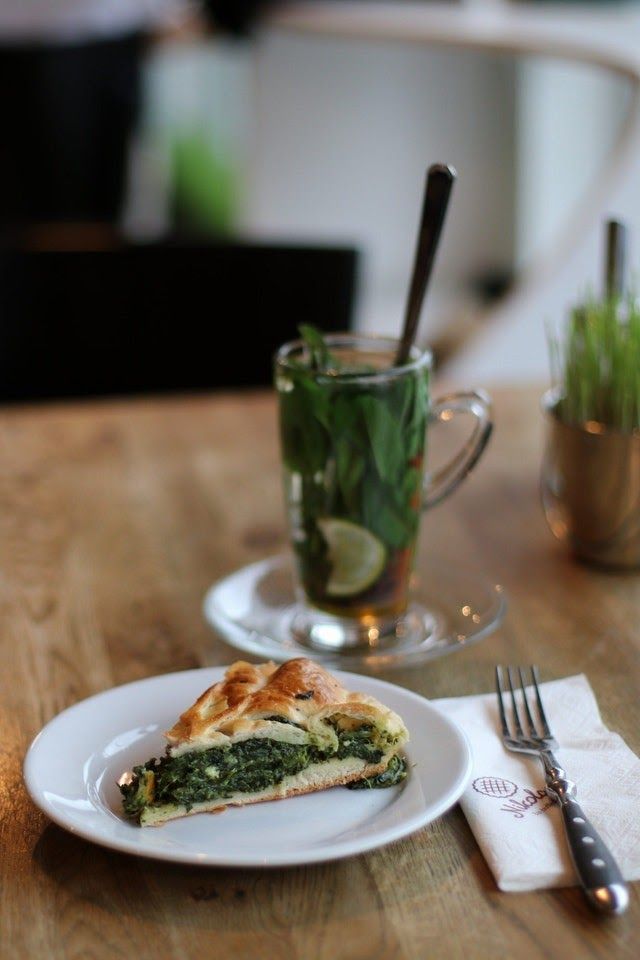
Photo by Valeria Boltneva From Pexels
If you're looking to lose 40 pounds, it makes sense to look for any way possible to help yourself get there.
One of the easiest ways to do that is by using smaller plates and bowls.
The general idea is that if your plate or bowl is smaller, you'll fill it up with less food, and the less food you fill it up with, the less calories you take in.
In this case, smaller plates and bowls can be a way to give your portions a natural (and not just forced) cap.
Instead of filling up a huge dinner plate and then having no room for dessert, you might fill your salad bowl and find that's enough for lunch, leaving your dinner plate open for a serving of ice cream or some other treat.
It's not an exact science, but it's a natural way to avoid feeling overly stuffed without having to measure out each bite on every plate.
And on top of that, small plates and bowls are often more aesthetically pleasing than larger versions.
They can make a meal that much more enjoyable by adding some visual appeal while being more functional than one initially might think.
4. Switch to a high-fiber, low-carb diet
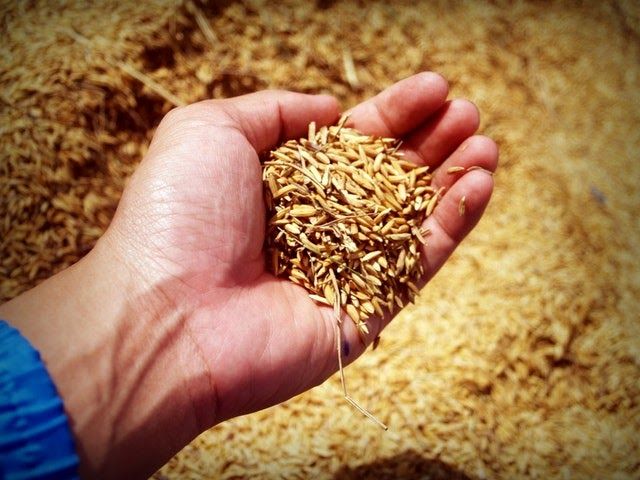
Photo by icon0.com From Pexels
If you're looking to lose 40 pounds quickly, a high-fiber, low-carb diet is the way to go.
By focusing on foods that contain lots of fiber and relatively few carbs, you'll significantly reduce your daily calorie intake and start seeing results fast.
By eating more fiber, you'll be fuller faster, which will reduce your snacking throughout the day.
Cutting out high-carb foods like bread, pasta, soda and processed foods means less calories being converted into fat. The weight will just melt off.
5. Consider Intermittent fasting
Intermittent fasting is a simple technique you can use to break free from your old routine and try something new.
It simply means that you don't eat for a certain period of time, usually 12-16 hours.
For example, if you normally eat dinner at 6pm, then skip dinner and have breakfast at 8am the next day. In this fasted state, your body uses up its stores of glycogen and fat.
After dinner, when you start to feel hungry and tired again, you'll know that your body has started burning fat instead of muscle or glucose.
By eating dinner earlier on fast days, you can also save money on food since it's cheaper to cook in bulk and prepare food in advance.
If intermittent fasting seems like something you want to try out, ask for professional advice first if you have medical issues.
Note: Seek medical advice first if you have any health issues.
6. Eat a lot of greens
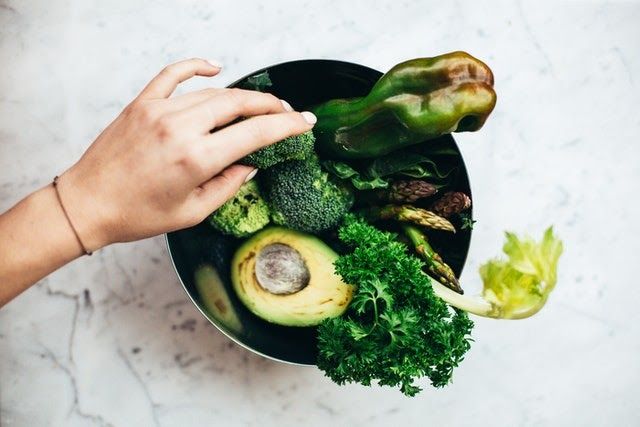
Photo by Daria Shevtsova From Pexels
You're probably aware of how great leafy greens and fruits are for you. They're packed with fiber, vitamins, minerals, and antioxidants.
But if you're in the habit of eating more of them, you should know the best ways to do so.
Get creative with your veggies. It can be easy to get bored with salads when they make up most of your diet, but there are lots of ways to give them some variety.
Start by adding something like nuts, cheese, avocado slices, or dried fruit to an otherwise ordinary salad.
If you're having a hard time deciding what to try next, a cookbook devoted to salads is a great way to get inspired.
Pick the right leafy greens for you. Some people love spinach dipped in ranch dressing, others have no interest in it at all.
Consider what you already enjoy eating (or don't enjoy eating) and find what the closest match is from the leafy green family.
It's also important to stay hydrated, especially when you're trying to eat more healthy foods. Drink lots of water throughout the day and make sure that you space out your meals so that you have time between them for digestion.
You'll feel full longer that way and your body will benefit from being well-hydrated
7. Always eat breakfast
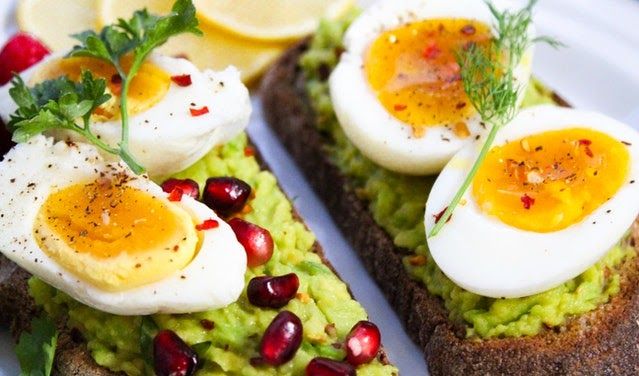
Photo by Trang Doan From Pexels
When you're trying to lose weight, it's tempting to skip breakfast. You're more likely to be on a time crunch in the mornings, and breakfast can seem like a luxury you don't have time for.
But what you might not realize is that skipping breakfast actually sets you up for failure later in the day. For one thing, there's the long-term effect of skipping breakfast:
Research has shown that people who eat breakfast each day tend to weigh less than people who skip it.
Research also shows that eating breakfast can help lower your blood pressure and manage blood sugar levels, which may reduce your risk of developing certain diseases down the road.
But there are also immediate effects that come into play when you skip this meal.
Studies show that people who eat breakfast regularly have less appetite throughout the day than those who skip it, so if you skip breakfast when trying to cut calories, you'll be more likely to overeat later in the day.
Studies have also found that people who skip meals tend to have trouble concentrating, have low energy levels and make bad decisions when they do eat, which can be detrimental when trying to manage your food intake and lose weight.
That's why skipping breakfast is often considered one of the biggest mistakes people who are trying to lose weight can make.
8. Reduce alcohol intake

Photo by Mahrael Boutros From Pexels
How to lose 40 pounds in 4 months? It's simple. First you have to stop drinking so much alcohol.
The calories from the beer alone can add up to 10 pounds in a year, and the mouthful of peanuts or pretzels with each beer adds another 10 pounds.
So, if you want to lose weight reduce your alcohol intake. The other thing to think about is that alcohol can lead to an increase in appetite.
Sometimes even more than eating the food itself, so it's important to consider what you'll be eating when you're out.
There's nothing wrong with ordering a bottle of wine with dinner if you've had a long day and don't feel up for cooking, but if that's your plan for every night, it can add up quickly.
9. Water!
When you're trying to lose weight, it's essential to stay hydrated. Water is the best beverage for that, and not just because it's calorie-free.
It keeps your metabolism running smoothly. It also helps maintain a healthy pH balance in your body, and also helps keep you feeling full so you don't feel tempted by cravings.
Water makes up a huge percentage of the human body, so it's definitely an important part of staying healthy.
- Drink at least 2 cups of water before each meal, right when you wake up, and right before bed.
- Drink at least 8 glasses of water during the day.
- Drink at least 4 glasses of water between meals.
- For every 25 minutes of exercise, drink 1 cup of water after you're done.
- Try a flavored water bottle. It's pretty easy to get in your 8 glasses of water per day if they all come in the form of delicious fruit-flavored beverages.
10. Have a workout routine

Photo by Pixabay
One of the most effective ways to lose weight is to adopt an exercise schedule. The key is to find a routine that you can stick with, and that works for your lifestyle.
For example if you hate the gym, try running or hiking instead.
If you already have a workout routine in mind, great! But if you're not sure which workout is right for you, consider the following options:
- Cardio: Cardio exercises are great fat burners. Some good examples of this type of exercise include walking/running, swimming, cycling, and dancing.
- Make sure that you push yourself during these exercises , otherwise it's easy to get bored and fall off track.
- Weight Lifting: Lifting weights helps build muscle mass, which boosts your metabolism.
- As your metabolism increases, your body has to work harder to maintain its current weight. This means that your body will burn more calories even when resting.
11.Have a food journal

Photo by Pixabay
Keeping a food diary can be a valuable tool for helping you lose weight. It can help you stay on track, keep track of what you eat, and even help you identify meal patterns that lead to overeating.
In order to use your food diary for effective weight loss, you need to jot down the following:
- What time you ate?
- What did you eat?
- How much did you eat?
- How many calories were in that meal?
- How many grams of carbs, protein and fat were in that meal?
- How hungry were you before eating that meal?
- How full are you after eating that meal?
- What else did/do you have in your life at this time?
You can click here to get yourself a printable weight loss tracker/journal.
12. Wholefoods
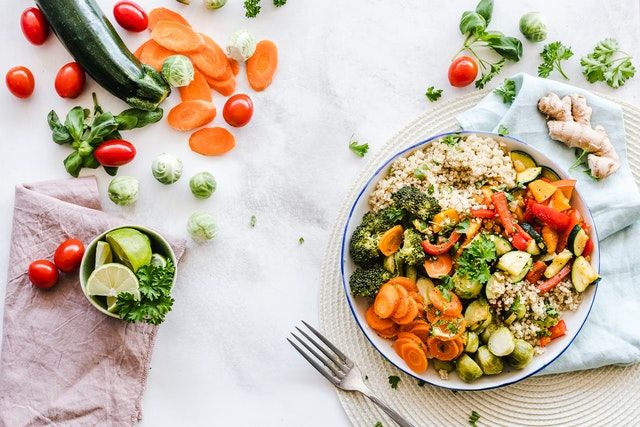
Photo by Ella Olsson from Pexels
Start eating whole foods instead of processed foods, which will provide all the nutrition your body needs and will keep you from eating too much.
Think of it this way: a doughnut is made out of flour, sugar and fat, and there's nothing else in it, you can't get any more basic than that. It's nothing but empty calories that will make you gain weight and feel terrible.
On the other hand, if you eat an apple, that provides you with fiber and vitamins and minerals, so it will make you feel better after eating it and it won't have any adverse effects on your body.
A lot of people say they're too busy to eat healthy food because they don't have time to cook every meal; this is just an excuse for not caring about yourself enough to take care of yourself.
There are plenty of healthy recipes that are quick and easy to prepare using whole foods.
13. Make your own food at home
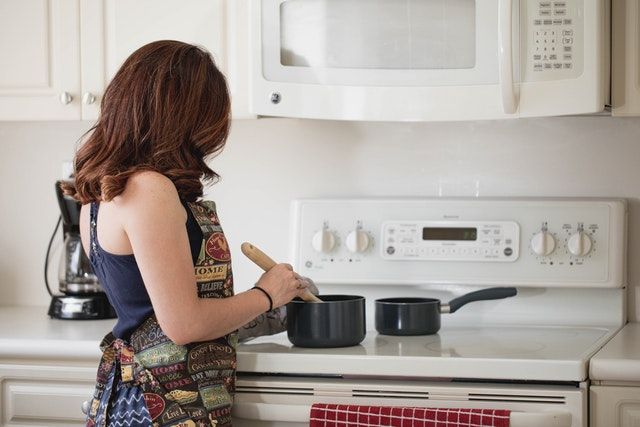
Photo by Live on Shot from Pexels
When you're trying to lose weight, it's so much easier to reach your goals if you eat your meals at home, rather than eating out at restaurants.
It's not just the amount of food you eat that matters when you're trying to lose weight; it's also what kind of food you choose to eat.
Many restaurants use ingredients that are high in fat and calories, which means that even though you may be eating less food overall (if you don't finish it all), the food itself contains more calories than you need.
The easiest way to make sure that you're eating healthy is to prepare your own meals at home. You'll have total control over the ingredients, which will save you money because you won't be paying for things like extra butter or cream sauces on everything.
Also, a lot of restaurants use cheap cuts of meat, so when you go out to dinner with friends who order expensive steaks and lobster tails, they might not be getting as much nutrition as they think.
When you cook your own food at home, it doesn't matter what kind of ingredients are available, you can always get fresh, nutritious ingredients that are filling and satisfying.
Recommended: Watch this video that reveals the 10 second morning trigger that boosts metabolism and how people use it to burn stubborn fat.
Remember to stay consistent so you can see results. I hope that these tips will be of great help on your journey to lose 40 pounds.
Disclaimer:
This post is intended for general informational purposes only. You should not use this information as a replacement for professional/ medical advice. A licensed physician should be consulted for diagnosis and treatment of any medical conditions. It also contains affiliate links, which means if you purchase anything through them, I get a small commission at no extra cost to you.