Use This 15 Simple Tips!

Photo by Andrea Piacquadio From Pexels
15 pounds in a single month may sound like a huge challenge. It may be a hard one to pull off. Don't get me wrong, it's not impossible to lose 15 pounds in a month.
However, you're not going to see results if you don't put forth effort and accountability into your own fitness regimen. Here are 15 tips that will help you lose 15 pounds in a month;
1.Eat 4-6 small meals
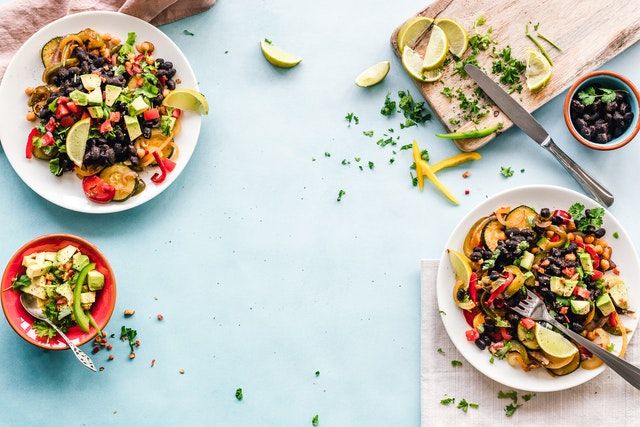
Photo by Ella Olsson from Pexels
You hear it all the time: You should be eating several small meals per day.
The reason, you're told, is that it'll help boost your metabolism, which will help you lose weight. But what does that mean exactly? And does it work?
The idea behind eating smaller meals is to keep your metabolism (i.e., the rate at which your body burns calories) going all day long.
When you eat a large meal, it takes a lot of energy for your body to digest it, but once that's done, it has a lot less to do until your next meal.
So if you eat a big breakfast and lunch and then don't eat again until dinnertime, there's really no reason your body should be burning up tons of calories—it just needs to keep things running smoothly until your next meal comes along.
On the other hand, when you eat four or five smaller meals throughout the day, there's always something for your body to do, therefore it keeps working at top speed and burns more calories as a result.
This is why people who are trying to lose weight are advised to eat five or six small meals rather than two or three larger ones.
2. Start a workout routine

Photo by mentatdgt From Pexels
You've decided it's time to get in shape. You want to lose 15 pounds in a month and you're committed to making it happen.
There are plenty of great options for getting in shape, but the best way to lose weight fast is by exercising.
It's important that you start the right workout routine, one that will have you shedding pounds quickly, safely and effectively. Where do you start?
The first thing people usually think about when they're trying to lose weight is a cardio routine.
After all, cardio burns the most calories per hour, so it would seem like the most effective way to reach your goals.
While cardio might burn calories faster than other exercises, it can't build muscle as quickly as strength training does, and more muscle means you'll burn fat and calories faster throughout the day.
Why is strength training so important?
To rev up your metabolism and burn fat, strength training is the way to go.
The more muscle mass that you have, the more calories your body will burn even when it's at rest.
Therefore if you're serious about losing weight quickly, make sure that your workout routine includes some resistance training.
For best results, focus on full-body exercises like lunges and squats, they'll work several different muscle groups at once.
3. Drink plenty of water
Did you know that drinking more water can actually help you lose weight? It's true! Water helps your body flush out toxins that are stored in your fat cells and reduces the likelihood of constipation, as well.
By drinking plenty of water, you are helping your body release more water weight. The most important thing is to drink plenty of water, at least eight glasses a day.
Getting enough water not only keeps your body hydrated and healthy, but it also makes your stomach feel fuller so that you don't overeat.
Drinking water can also help boost your metabolism so that your body burns more calories throughout the day.
4. Avoid eating out- cook at home
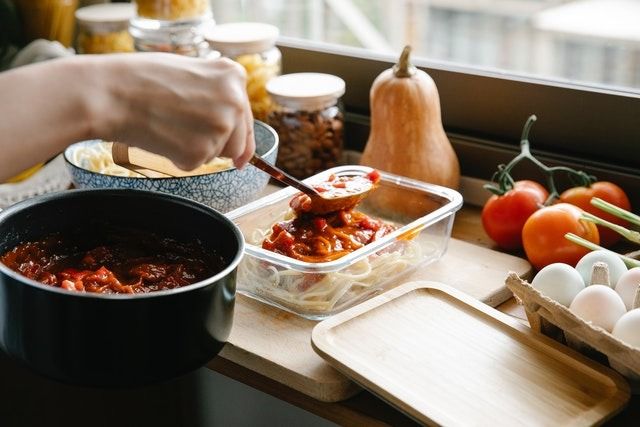
Photo by Sarah Chai From Pexels
If you want to lose weight, you're going to need to make some changes in your eating habits.
A great place to start is by avoiding restaurants and fast food as much as possible.
Cooking for yourself at home can help you lose weight because restaurants tend to serve larger portions that are full of unhealthy ingredients.
This means you'll likely be consuming more calories than you should and getting a higher intake of fat and sodium than the recommended daily amounts.
In addition, many restaurant meals contain high-calorie sauces or dressings along with an excess amount of fat, sugar, and salt.
Though cooking at home can help you shed pounds, it's important that you use healthy recipes that don't have large amounts of saturated fat or sodium.
It's also crucial that you don't replace restaurant foods with processed items , these tend to be even higher in calories than restaurant foods.
Instead, try making healthy versions of your favorite restaurant meals using fresh ingredients and healthy cooking techniques such as roasting, grilling, stir-frying, or baking.
Keep in mind that if you're cooking for weight loss, portion control is key, so try not to overeat!
5. Eat fruits and vegetables
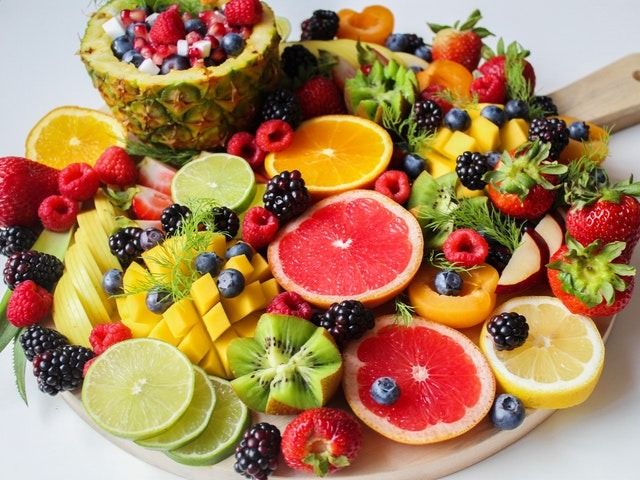
Photo by Trang Doan From Pexels
Most people who want to lose weight know they need to eat more fruits and vegetables. Yet, most of us don’t eat enough of them.
The good news is that it’s really easy to fit more in. Here’s how:
- When you go grocery shopping, buy more fruit and vegetables than you think you can eat.
- Decide on a few things you will do with your extra supply before it starts to go bad. One idea is to make fresh vegetable juice every day.
- You can also make fruit smoothies or add fruit to your cereal or yogurt.
- Cut up the extra fruit and vegetables so they are ready to use when you have a snack attack or quick meal ideas are needed.
- Keep cut-up veggies like carrots, celery, broccoli, and cauliflower in the fridge for easy access for snacking and healthy side dishes at lunch and dinner.
6. Keep a food journal
Photo by Jessica Lewis Creative from Pexels
When you're trying to lose weight, it's a smart idea to keep a food journal. Writing down everything you eat helps motivate you to make healthier choices and stick with your goals.
If you're committed to losing 15 pounds in the next month, keeping a food diary will help you track your progress and stay on target.
A food journal gives you a record of what (and how much) you eat during the day, as well as a reference for the nutritional content of each item.
Having this information at hand makes it easier to find ways to cut calories from your diet.
For example, if you take a peek at your journal and see that you're eating too much fat or too many carbohydrates each day, it'll be easier to find ways of reducing those items from your meals.
You can also use the journal to track your success over time and see which foods are helping (or hurting) your efforts toward your goals.
If the idea of keeping a paper and pen diary doesn't appeal to you, there are plenty of digital apps available that are easy tools for tracking calories and other nutritional data.
By noting what you eat every day in one handy place, you're taking an important first step toward controlling what goes into your body. Click here to get a printable weightloss tracker/journal.
7. Reduce sugar from your diet
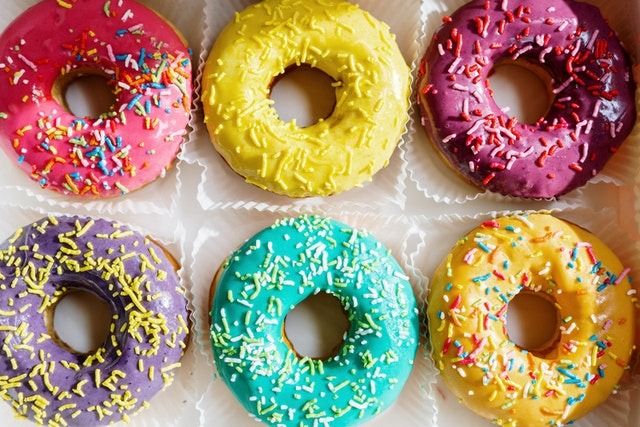
Photo by cottonbro from Pexels
Eliminating added sugars from your diet for 30 days will help tremendously in shedding unwanted fat. This means no juice, soda, or milkshakes.
You'll need to check the ingredients labels on everything from cereal to condiments because sugar is hidden almost everywhere.
The worst offenders are obvious; anything sweet-tasting like candy, cake, cookies or ice cream should obviously be avoided if at all possible.
But there are other foods that contain massive amounts of sugar that may surprise you: pasta sauce (up to 25 grams per 1/2 cup serving!), fruit yogurt (up to 24 grams per cup), and even some brands of whole wheat bread (up to 6 grams per slice).
So make a list of these items that you are going to cut off and note down their healthy alternatives.
8. Limit your alcohol intake

Photo by Markus Spiske from Pexels
When you're trying to lose weight, alcohol is one of the worst things you can possibly consume. The way it's metabolized in the body makes it a low-priority food source.
While your body is digesting and metabolizing alcohol, you're not burning fat, instead, all other processes are put on hold until the alcohol calories are burned off first.
Plus, when you drink alcohol, you tend to crave junk food.
It is an appetite stimulant, so if you drink alcohol before eating or while eating, it will make your hunger feel more intense than usual, which could lead to overeating and even worse choices than what you'd have made sober.
The best thing you can do for yourself if weight loss is your goal is to give up alcohol for the time being.
Even if you think about how much money you're saving as a bonus, you're still saving your health and losing weight at the same time.
9. Reduce your calorie intake
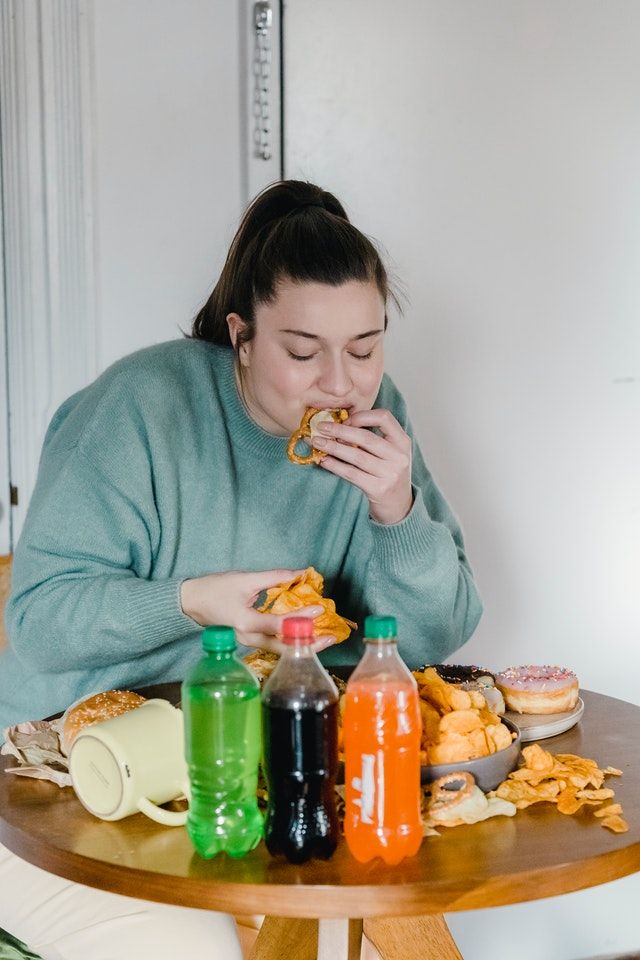
Photo by Tim Samuel from Pexels
The first step to losing weight is cutting back on your calorie intake. Most people over-consume calories because they are not aware of the number of calories they are taking in each day.
This can lead to weight gain and obesity. One of the best ways to lose weight is by consuming fewer calories than you burn each day.
When you eat too much food, your body does not receive enough nutrients from it and ends up storing it as fat in different parts of your body including belly fat.
To reduce calories from your diet, swap out unhealthy snacks for healthy alternatives such as fruits or vegetables instead of other fatty foods such as chips or candy bars.
10. Avoid eating full meals at night
You've probably heard that late-night eating is not good for you. The reason for this is pretty simple: your body's main source of fuel, glycogen, is stored in your muscles, and it's easily converted into glucose which keeps you going through the day.
When you eat dinner, the excess fuel leftover from that meal is stored in your liver, and then converted into glycogen for storage in your muscles when you go to bed.
The problem with eating too much late at night is that all of those excess calories will be added directly to your fat stores because they aren't getting turned into glycogen and used right away.
This is why it's so important to have a light dinner and avoid snacking after 7PM, any extra calories consumed at this time will be added directly to your fat stores.
11. Cut back on refined carbs and sugar
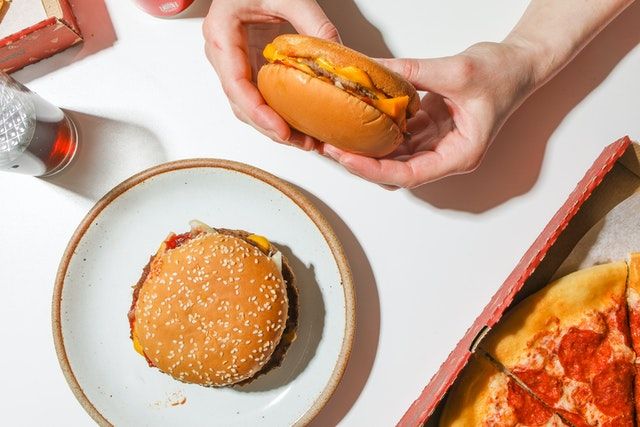
Photo by Polina Tankilevitch from Pexels
While it's true that not all carbs are bad for you, and all fats aren't unhealthy, refined carbs and sugars in your diet can cause your body to produce extra insulin, which can contribute to weight gain.
When you eat refined carbohydrates, such as white bread and pasta, or sugars, such as those found in candy and sugary drinks, you spike your blood sugar levels.
Your body produces extra insulin to help manage these high levels of sugar. This insulin then tells your body to store the excess energy in fat cells.
If you stop eating refined carbohydrates and sugars, your body will begin using stored fat for energy instead of the sugar in these foods. By cutting out these foods from your diet, you'll naturally lose weight without having to make any drastic changes to the amount you eat or how often you eat it.
12. Drink less sugary drinks

Photo by ROMAN ODINTSOV from Pexels
You've probably heard over and over again that sugary drinks are terrible for your health, but that doesn't make it any easier to say no to them.
It becomes a challenge each time you're faced with a new opportunity to say yes, whether it's at work or on the go.
One of the biggest things you can do is to know what kinds of drinks are the worst offenders, so you can make an informed decision about when to say yes and when to say no.
There are different kinds of sugary drinks that might be the most obvious ones, like soda and fruit juice, but there are other less obvious examples that can still have just as much of an effect on your health.
13. Eat less salt
You are probably familiar with the dietary recommendations to eat less salt. This is because most people know that it is a bad idea to consume too much sodium. But why exactly is this?
Taste buds contain sodium, and when the taste buds get overloaded with sodium, they become less sensitive to sweet, salty and bitter flavors.
This in turn makes you want to eat more food in order to experience the same level of flavor that you would from eating a little bit of food. The more food you eat, the more likely it is that you will overindulge in high calorie foods since you won't be able to taste their fat content as well.
What's worse, each time your taste buds become desensitized by sodium, it takes longer for them to become sensitive again.
So if you're eating a lot of salty foods now, it means that it will take longer for you to lose weight because your cravings for high calorie foods will be stronger than they would have been if you had not been consuming as much salt.
There are a number of ways that you can reduce your sodium intake so that your taste buds can get back to normal sooner. For instance, stop using table salt and switch to sea salt or Himalayan pink salt instead.
14. Get rid of those junk snacks in your kitchen

Photo by Andres Ayrton from Pexels
If you're serious about losing weight, the first step is to get rid of all the stuff in your kitchen that will derail your diet. If it's there, you're more likely to eat it, so don't give yourself the opportunity.
Get rid of all those unhealthy snacks and packaged foods with little or no nutritional value. They'll only leave you craving more, and they'll almost certainly make you feel sluggish if they do make it into your stomachs.
Replace them with healthy alternatives like raw veggies and nuts, a low-sugar energy bar, or an occasional bowl of whole grain cereal for breakfast.
15. Try Intermittent fasting
Intermittent fasting is not a new concept, many religions have practiced it for centuries, but it's been getting more attention in the health world recently.
The basic idea is this: instead of eating regularly throughout the day, you fast for a set period of time every day. For example, you could skip breakfast and only eat from noon until 8pm. Or maybe you'd fast for 20 hours starting at 10pm every night and then eat regular meals on the other four days of the week.
There are a lot of different variations on intermittent fasting, but all of them involve restricting calories to a certain window each day.
NOTE: Seek medical advice first if you have any medical issues.
Final Thoughts
Those are 15 tips that can help you on your journey to lose 15 pounds in a month. Remember that without dedication and consistency, you wont be able to see results.
Disclaimer
This post is intended for general informational purposes only. You should not use this information as a replacement for professional/ medical advice. A licensed physician should be consulted for diagnosis and treatment of any medical conditions. It also contains affiliate links, which means if you purchase anything through them, I get a small commission at no extra cost to you.