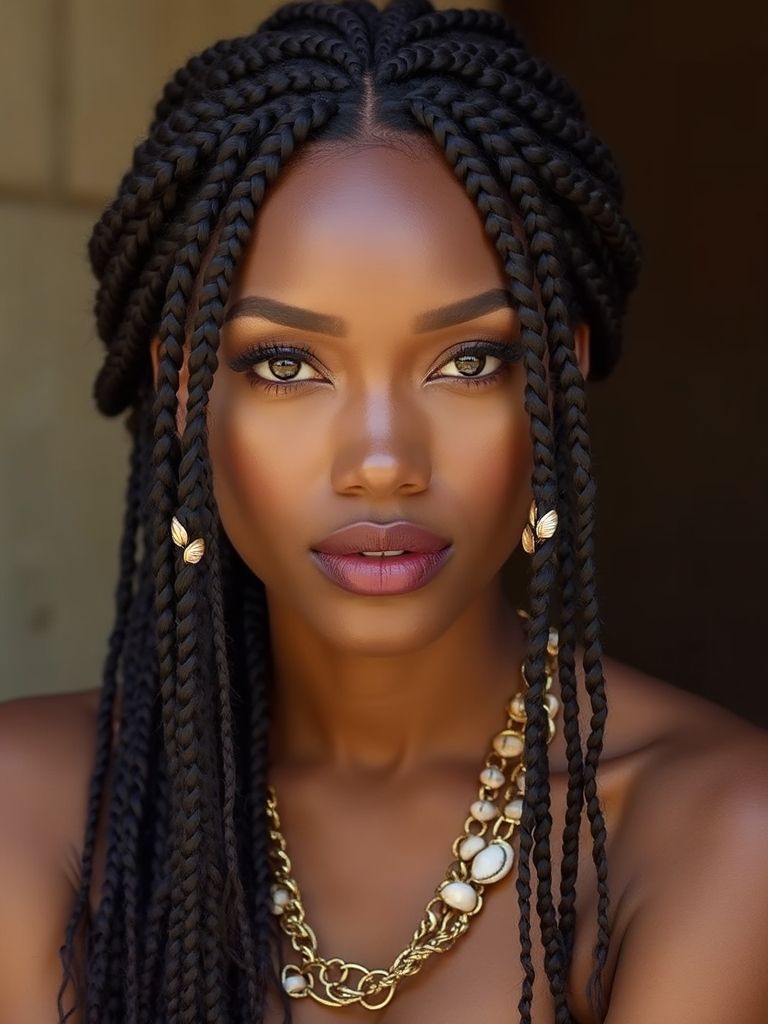
Braiding hair extensions is an absolute game-changer. Whether you are rocking classic box braids, trendy knotless braids, feed-ins, or a fierce faux hawk, extensions offer incredible versatility, a chance to play with color, and an excellent way to give your natural hair a break.
But let’s keep it real: a protective style is only protective if it’s actually protecting your hair.
Too often, simple missteps before, during, and after the braiding process turn a dream hairstyle into a hairline nightmare. If you’ve ever dealt with excessive itching, thinning edges, or a style that looked old after just one week, you’ve likely fallen victim to a common braiding blunder.
Don't worry, though. We’ve rounded up the most common braiding hair extension mistakes and exactly how you can avoid them to keep your scalp happy and your braids flawless.
1. Skipping The Pre-Braid Prep Routine
The Mistake: Slapping extensions directly onto dirty, dry, or tangled natural hair.
Think of your natural hair as the foundation of a house. If the foundation is weak or unstable, the whole structure will eventually come crashing down. Braiding dry, unwashed hair traps product buildup, sweat, and debris against your scalp for weeks, leading to intense itching, inflammation, and eventual breakage.
How to Avoid It:
Treat your hair to a spa day before your braiding appointment. Your pre-braid checklist should always include:
- A Clarifying Shampoo: To strip away old gel, oils, and silicone buildup.
- A Deep Conditioning Treatment: To inject maximum moisture into the hair shaft before it’s tucked away.
- A Thorough Detangle and Blow-Dry: Using a leave-in conditioner and a heat protectant. Stretching the hair makes the braiding process smoother and prevents your natural ends from snapping under the tension of the extensions.
2. Neglecting to Prep the Extension Hair (The Chemical Bath)
The Mistake: Using synthetic braiding hair straight out of the pack without washing it first.
Have you ever gotten fresh braids only to spend the next three days furiously patting your head or scratching your scalp until it’s raw? You aren't necessarily allergic to synthetic hair itself; you are likely reacting to alkaline acid. Manufacturers coat synthetic hair in this chemical compound to make it heat-resistant and shiny. For many people, it is a one-way ticket to contact dermatitis.
How to Avoid It:
Soak your braiding hair before it ever touches your head.
- Submerge the braiding hair (leave the rubber bands on to prevent tangling) and let it soak for 20–30 minutes. You’ll see a white, filmy residue float to the top—that’s the alkaline coating leaving the building.
- Rinse the hair thoroughly with cool water, optionally dip it in a little fabric softener or conditioner for scent, and hang it up to air dry completely. Look at twist braids hairstyles.
3. The Tighter is Better Myth (Too Much Tension)
The Mistake: Allowing the braider to pull your roots so tight that your eyes feel like they are changing shape.
We’ve all heard the old-school phrase, "If it doesn’t hurt, it won't last." Let’s officially retire that myth. Extreme tension does not make your braids last longer; it causes traction alopecia—a form of hair loss caused by localized trauma to the hair follicle. If you see tiny white bumps along your hairline, your braids are too tight.
How to Avoid It:
Speak up! Your braider cannot feel what you feel. If a section hurts while they are gripping it, politely ask them to loosen up. Pay extra attention to your edges and the nape of your neck; these areas are incredibly fragile and should never bear the weight of heavy, tightly yanked extensions. If you are highly tender-headed, opt for knotless braids, which start with your natural hair and gradually feed the extension in, drastically reducing scalp tension.
4. Choosing the Wrong Hair Weight and Size
The Mistake: Installing jumbo, ultra-long braids on fine, fragile natural hair.
Balance is everything. If the section of your natural hair parting is tiny, but the amount of synthetic hair attached to it is massive, gravity is going to win. The sheer weight of the heavy extension will slowly pull your natural hair right out by the roots.
How to Avoid It:
Match the density of your extensions to the density of your natural hair. Additionally, be mindful of length. Floor-skimming braids look stunning on Instagram, but they exert a constant downward pull on your scalp. Keep the lengths manageable, or choose lightweight materials like specialized ultra-lightweight synthetic fibers.
5. Suffocating the Scalp with Heavy Products
The Mistake: Piling on thick greases, heavy oils, and wax-based edge controls to keep the style looking "fresh."
It is tempting to smother your scalp in oil the moment it starts to feel dry. However, heavy products don't actually moisturize your scalp; they simply sit on top of it, clogging your pores and attracting airborne dust and lint like a magnet. This creates a stubborn buildup at the base of your braids that is incredibly difficult to wash out.
How to Avoid It:
Switch to lightweight, liquid-based hydration. Use a spray-on leave-in conditioner or a specialized braid sheen spray to keep your hair hydrated. If your scalp feels dry, opt for lightweight oils like jojoba, almond, or tea tree oil, and apply them sparingly directly to the parts using a nozzle bottle. Remember: your scalp produces its own natural oils; it just needs a little support, not a total eclipse.
6. Leaving the Braids in for Too Long
The Mistake: Rocking your protective style for three, four, or even five months.
We get it—braids are an investment of both time and money, and you want to stretch that investment as far as it will go. But keeping extensions in for too long is a recipe for disaster. Over time, your natural shedding hair (we lose about 100 hairs a day!) gets trapped at the root of the braid. Leave it too long, and that shed hair will begin to lock and mat up, turning take-down day into a painful nightmare of breakage.
How to Avoid It:
Set a hard deadline. As a general rule of thumb:
- Feed-in and cornrow styles: 2 to 4 weeks.
- Box braids and knotless braids: 6 to 8 weeks maximum.
If your style still looks great at week six but your hairline is growing out, consider going to a stylist just to get the front perimeter refreshed rather than leaving the entire head in for another month.
Final Thoughts
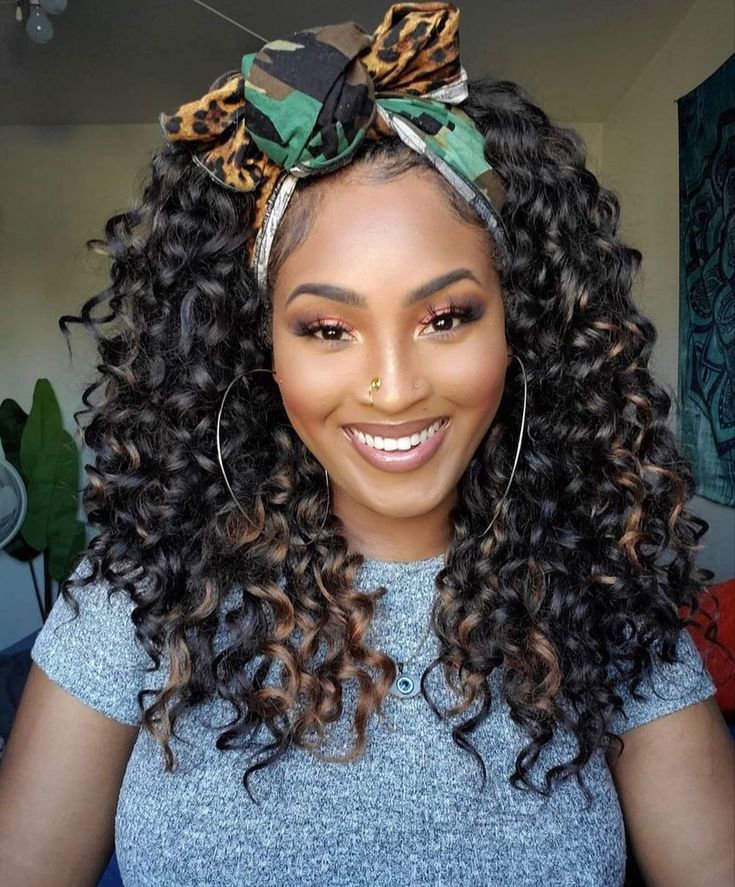
Braids are meant to make your life easier and keep your natural hair thriving. By taking the time to prep your extensions, advocating for your scalp's comfort in the stylist's chair, and committing to a solid maintenance routine, you can enjoy all the perks of a stunning protective style with absolutely none of the damage. Happy braiding.