In recent years, electric bikes, commonly known as e-bikes, have become a game-changer in the world of urban transportation. They offer an eco-friendly, cost-effective, and efficient alternative to traditional modes of transportation. As cities become more congested and the push for sustainable mobility intensifies, e-bikes are quickly gaining popularity among commuters, fitness enthusiasts, and eco-conscious individuals.
In this article, we will delve into the key aspects of e-bikes, their benefits, and why they are poised to revolutionize urban transportation.
What is an E-Bike?
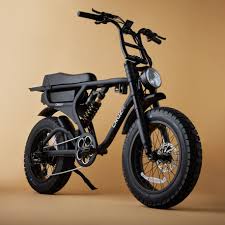
An ebike is essentially a regular bicycle, but with a built-in electric motor that assists the rider while pedaling. The motor can either partially or fully power the bike, depending on the design. This provides a smooth, effortless riding experience, allowing cyclists to travel greater distances without getting tired, even on challenging terrain.
E-bikes come in various models, including city bikes, mountain bikes, and foldable bikes. Each of these models is tailored to specific needs, whether it's commuting, recreational riding, or off-road adventures.
How Do E-Bikes Work?
E-bikes operate through a combination of human power and electric assistance. Here's a breakdown of the core components:
- Electric Motor: Located in the hub of the wheel or the frame, the motor provides assistance when the rider pedals. The motor typically ranges from 250 watts to 750 watts in most e-bikes.
- Battery: The heart of the e-bike, the battery powers the motor. It is rechargeable and can last between 20 to 70 miles on a single charge, depending on factors like terrain and rider weight.
- Controller: This regulates the power from the battery to the motor. Riders can often control the level of assistance they need, whether it’s minimal, moderate, or maximum power.
- Pedal-Assist and Throttle: Pedal-assist mode gives power to the bike only when you pedal, while throttle mode allows you to control the motor using a hand lever, much like a scooter.
Benefits of E-Bikes
E-bikes are quickly becoming a favored mode of transportation due to the numerous benefits they offer:
1. Eco-Friendly Transportation
One of the most compelling reasons to choose an e-bike is its positive impact on the environment. E-bikes are powered by electricity, which is far more sustainable than gas or diesel-powered vehicles. By choosing an e-bike, you can significantly reduce your carbon footprint and contribute to cleaner air in urban areas.
2. Cost-Effective Mobility
While the initial investment in an e-bike can be higher than a traditional bicycle, the long-term savings are significant. E-bikes eliminate the need for gas, insurance, parking fees, and costly maintenance associated with cars. The cost of charging an e-bike is minimal, making it an affordable option for daily commuting.
3. Health and Fitness Benefits
Riding an e-bike can still provide health benefits, as it encourages physical activity. The electric motor assists with pedaling, but riders still engage in exercise, particularly on higher resistance settings. This makes e-bikes an excellent option for those who may not be able to handle intense physical exertion, such as older adults or individuals with health issues.
4. Reduced Commuting Time
E-bikes make commuting faster and more efficient. In congested urban areas where traffic is often a nightmare, an e-bike can help you bypass the gridlock. With the added electric assistance, riders can zip through traffic and arrive at their destination quickly, often faster than in a car.
5. No License or Registration Required
Unlike electric cars or motorcycles, e-bikes do not require a driver’s license, registration, or insurance in most places. This makes them a hassle-free and accessible mode of transportation for nearly anyone.
Types of E-Bikes
There are several types of e-bikes, each designed to cater to specific needs and preferences:
1. Commuter E-Bikes
Designed for city commuting, commuter e-bikes are lightweight, durable, and easy to maneuver in traffic. They typically feature a sleek design, an efficient motor, and a comfortable seat for long rides.
2. Mountain E-Bikes
Mountain e-bikes (or e-MTBs) are built for off-road adventures. They have robust suspension systems, wider tires, and more powerful motors to tackle rough terrains and steep climbs.
3. Folding E-Bikes
For those with limited storage space or the need for portability, folding e-bikes are an excellent choice. These bikes are compact and can be easily folded for storage in a car trunk, apartment, or office.
4. Cargo E-Bikes
These e-bikes are designed to carry heavy loads, whether it's groceries, parcels, or even children. They are perfect for individuals or small businesses that need to transport goods over short distances.
The Growing Popularity of E-Bikes
E-bikes are becoming increasingly popular across the globe, particularly in cities looking to reduce congestion and improve air quality. Governments in various countries are also recognizing the potential of e-bikes and have begun offering incentives such as tax credits, rebates, and infrastructure investments to encourage adoption.
In countries like the Netherlands, Germany, and China, e-bikes are already a common sight on the streets, and the trend is beginning to spread worldwide. Major cities in the U.S., such as San Francisco, Portland, and New York, have also embraced e-bikes as part of their sustainable transportation initiatives.
Challenges and Future Outlook
Despite the many advantages, the e-bike industry faces a few challenges. One of the primary hurdles is the high initial cost of some models. Additionally, e-bikes still require charging infrastructure, especially in places with fewer charging stations.
However, with technological advancements, the cost of e-bikes is expected to decrease over time, making them more accessible to a wider audience. As more people embrace the benefits of e-bikes, the future of urban mobility looks brighter than ever.
Conclusion
In conclusion, e-bikes represent the future of urban transportation. They offer a sustainable, cost-effective, and efficient way to navigate the growing challenges of city life. As we continue to prioritize environmental consciousness and healthier lifestyles, the e-bike revolution is set to reshape the way we commute, exercise, and interact with our environment. Whether for commuting, recreation, or eco-friendly living, e-bikes are here to stay and are undoubtedly an investment in a cleaner, greener, and healthier future.