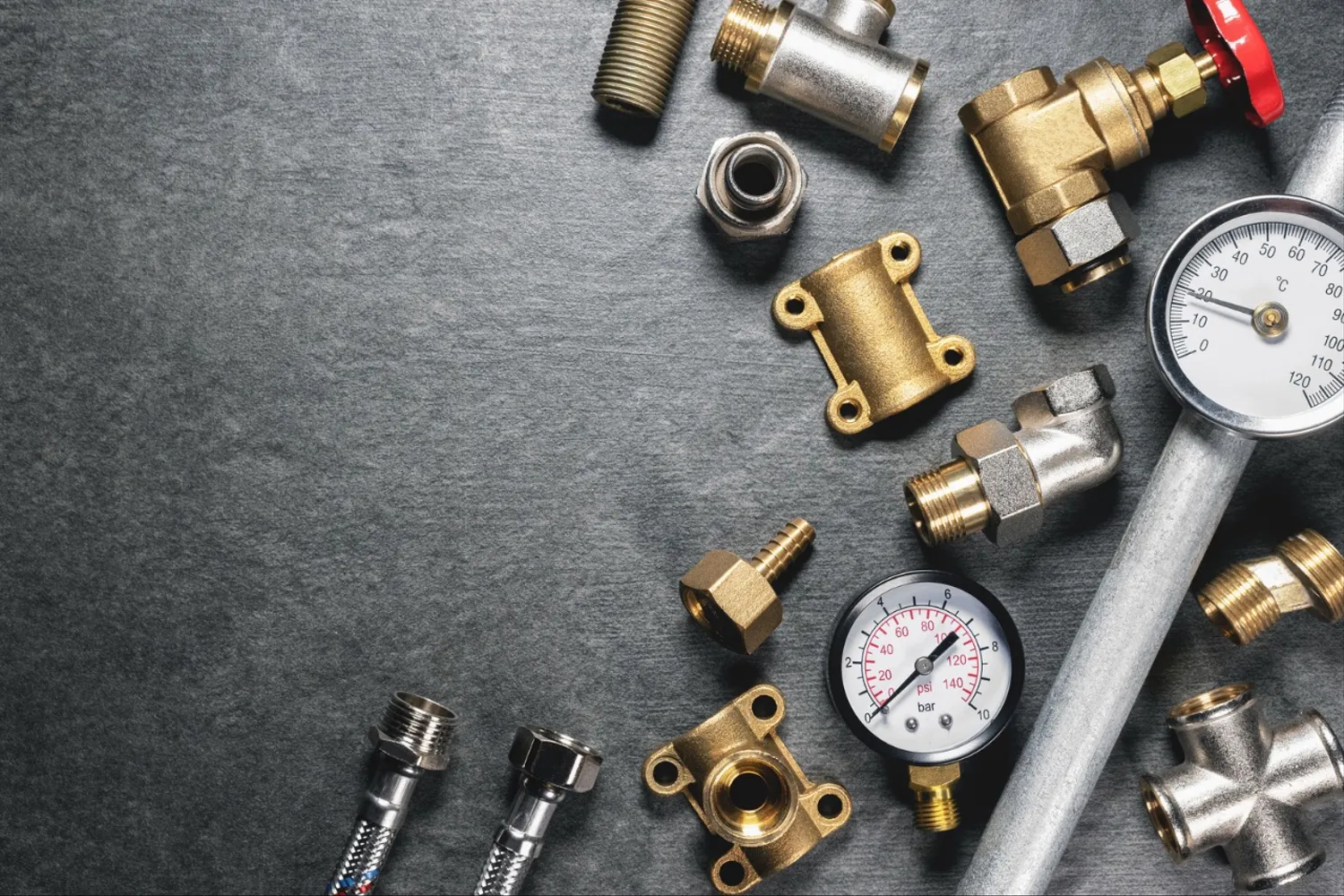
In today's world, environmental sustainability is a top priority for homeowners seeking to minimize their carbon footprint and reduce utility costs. One area where eco-conscious choices can make a significant impact is plumbing. By incorporating eco-friendly plumbing solutions into your home, you can not only conserve water and energy but also contribute to a healthier planet. In this guide, we'll explore a range of sustainable plumbing options for modern homes.
Low-Flow Fixtures
- One of the simplest yet most effective ways to save water is by installing low-flow fixtures such as faucets, showerheads, and toilets.
- Low-flow fixtures use significantly less water than traditional fixtures without compromising performance, helping homeowners conserve water and lower their water bills.
Tankless Water Heaters
- Traditional water heaters continuously heat and store water in a tank, leading to energy waste and standby heat loss.
- Tankless water heaters, also known as on-demand water heaters, heat water only when needed, eliminating the need for a storage tank and reducing energy consumption by up to 30%.
Greywater Recycling Systems
- Greywater recycling systems capture and treat wastewater from sources such as sinks, showers, and washing machines for reuse in irrigation or toilet flushing.
- By recycling greywater, homeowners can reduce their reliance on freshwater sources for non-potable uses, conserving water and reducing strain on municipal water systems.
Rainwater Harvesting
- Rainwater harvesting systems collect and store rainwater from rooftops for use in landscaping, irrigation, and non-potable household tasks.
- Harvesting rainwater not only reduces water consumption but also helps mitigate stormwater runoff and soil erosion, promoting sustainable water management practices.
Dual-Flush Toilets
- Dual-flush toilets feature two flush options: a low-volume flush for liquid waste and a higher-volume flush for solid waste.
- By giving users control over water usage, dual-flush toilets can significantly reduce water consumption compared to traditional toilets, making them an eco-friendly choice for any bathroom.
Pipe Insulation
- Insulating hot water pipes helps minimize heat loss during water distribution, reducing the energy required to maintain hot water temperatures.
- By insulating pipes, homeowners can improve energy efficiency, lower their utility bills, and reduce their carbon footprint without sacrificing comfort or convenience.
Sustainable Materials
- When installing or repairing plumbing fixtures, opt for materials that are sustainably sourced and environmentally friendly.
- Look for fixtures made from recycled materials or renewable resources such as bamboo, cork, or reclaimed wood to minimize environmental impact and promote sustainable living.
Conclusion
By incorporating eco-friendly plumbing solutions into your home, you can reduce water and energy consumption, lower utility costs, and contribute to a greener, more sustainable future. From low-flow fixtures to rainwater harvesting systems, there are plenty of options available to help you create an environmentally conscious home that reflects your commitment to sustainability.
For professional advice and installation of eco-friendly plumbing solutions, visit TNG Plumbing Services. Additionally, for more inspiration and tips on sustainable living, explore Treehugger - a leading authority on environmental news and green living.