Cloud computing is no longer a skill reserved only for software developers and IT engineers. Today, marketing professionals, project managers, business analysts, sales executives, HR professionals, and entrepreneurs increasingly work with cloud-based tools and data-driven platforms. As organizations continue moving their operations to the cloud, understanding the basics of cloud technology has become a valuable career advantage for non-technical professionals as well.
So, should non-developers learn AWS? In most cases, the answer is yes.
Why AWS Matters Beyond Development?
Amazon Web Services (AWS) is the world’s leading cloud platform, used by startups, enterprises, banks, healthcare providers, and government organizations. Even if you never write code, you may still collaborate with teams that use AWS for hosting applications, storing data, running analytics, managing security, or automating workflows.
A basic understanding of AWS helps non-developers:
- Communicate more effectively with technical teams
- Understand cloud-related business decisions
- Participate in digital transformation projects
- Improve career opportunities in cloud-enabled organizations
This is why many professionals begin with an AWS Cloud Practitioner Certification path instead of jumping into advanced technical certifications.
What Is the AWS Cloud Practitioner Certification?
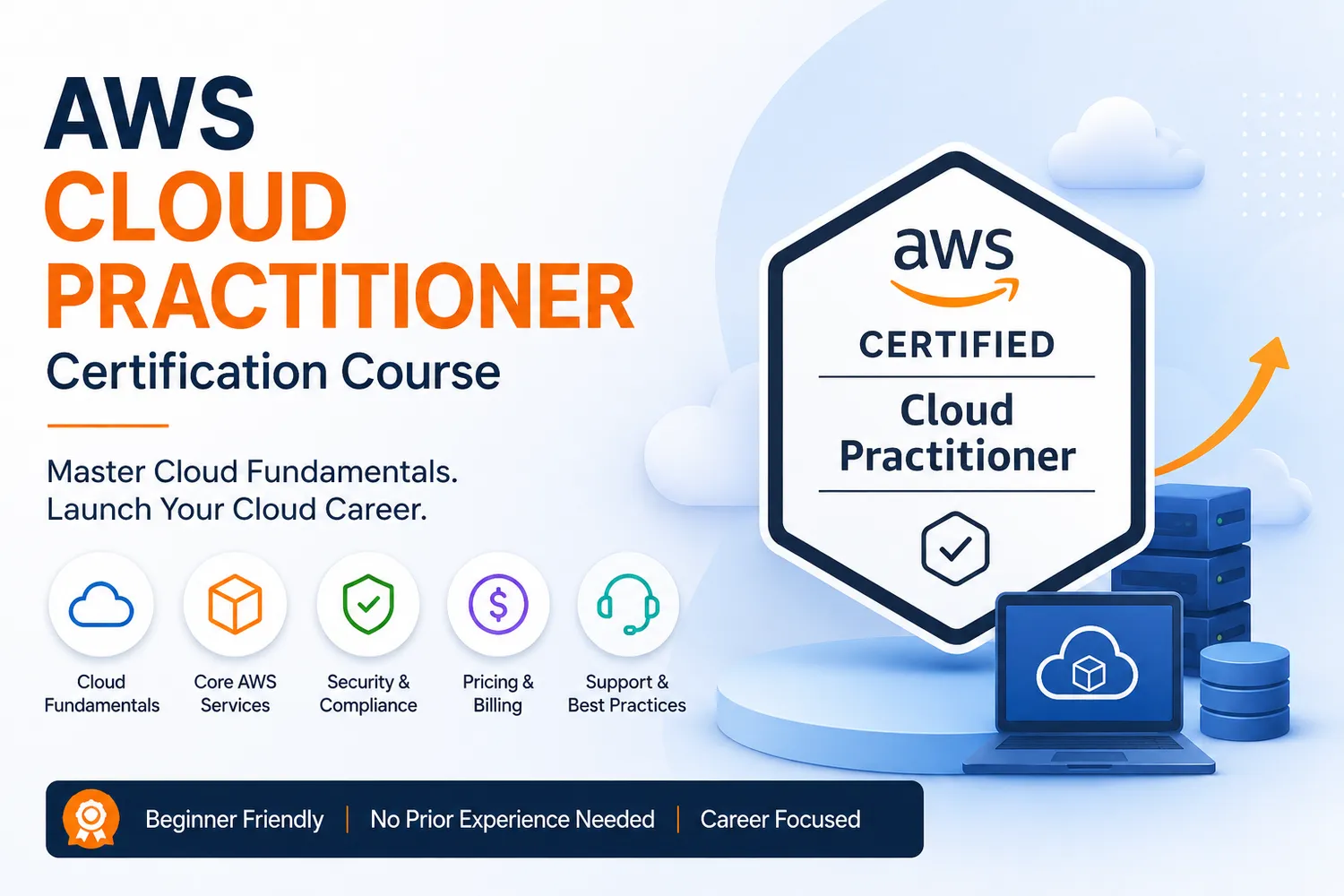
The Cloud Practitioner Certification is designed for beginners who want to understand cloud concepts, AWS services, pricing, security, and support models. It does not require programming experience or a technical background.
The certification focuses on:
- Cloud computing fundamentals
- AWS core services
- Security and compliance basics
- Billing and pricing concepts
- Shared responsibility model
- AWS support and architecture principles
For non-developers, this is often the most practical entry point into the cloud ecosystem.
Who Should Consider It?
You do not need to be a developer to benefit from the AWS Cloud Practitioner Certification.
Project Managers
Project managers frequently coordinate cloud migration and software delivery projects. Knowing AWS terminology and services helps them plan timelines, budgets, and stakeholder communication more effectively.
Business Analysts
Business analysts work with data, reporting tools, and cloud-based applications. Understanding how data is stored and processed in the cloud improves decision-making and collaboration with engineering teams.
Marketing Professionals
Modern marketing relies heavily on analytics platforms, customer data systems, automation tools, and cloud-hosted applications. Cloud awareness helps marketers understand the infrastructure behind these tools.
Sales and Customer Success Teams
When selling or supporting cloud-based products, basic AWS knowledge builds credibility and enables better conversations with customers.
Entrepreneurs and Founders
If you run a startup or online business, understanding AWS can help you make informed decisions about hosting, scalability, security, and cost management.
Is the Exam Difficult for Non-Technical Learners?
Many beginners worry about the AWS Certified Cloud Practitioner Exam, but it is considered one of the most accessible AWS certifications. The exam tests conceptual understanding rather than hands-on engineering skills.
You should be able to:
- Identify common AWS services
- Understand when they are used
- Recognize basic security practices
- Interpret pricing and support options
With a structured cloud practitioner course, most non-technical learners can prepare effectively in a few weeks.
Career Benefits
The value of cloud knowledge is growing across industries. Recruiters increasingly look for professionals who understand digital platforms and cloud terminology, even for non-engineering roles.
Benefits include:
- Stronger resumes
- Better cross-functional communication
- Increased confidence in technology discussions
- Greater eligibility for cloud-related projects
- Improved long-term career adaptability
While the certification may not instantly increase salary, it often opens doors to roles that involve cloud operations, product management, business transformation, or technology consulting.
A Good Starting Point
If you are looking for a beginner-friendly learning path, the AWS Certified Cloud Practitioner Course on Coursera is a strong option. It is designed for learners with little or no cloud experience and explains AWS concepts in a structured and practical way.
Final Thoughts
Non-developers do not need to become cloud engineers, but they do need to become cloud-aware. As organizations continue adopting cloud technologies, professionals who understand the fundamentals of AWS can collaborate more effectively, contribute to strategic decisions, and stay relevant in a rapidly changing workplace.
The AWS Cloud Practitioner Certification is not just a technical credential; it is a business-enabling certification. Whether you work in management, marketing, analytics, sales, HR, or entrepreneurship, learning AWS fundamentals can provide a meaningful advantage.
If you have been wondering whether the AWS Certified Cloud Practitioner Exam is worth it for someone without a coding background, the better question may be: Can modern professionals afford to ignore cloud knowledge?