Recycling paper and cardboard is a critical part of managing waste in an environmentally conscious way. As global consumption of paper products continues to rise, the importance of recycling these materials becomes increasingly paramount. Recycling helps reduce the demand for virgin resources, decreases energy consumption, and lowers greenhouse gas emissions, thus playing a significant role in sustainable development.
The Recycling Process
Paper and cardboard recycling involves several key steps: collection, sorting, pulping, de-inking, and remaking. Collected paper products are first sorted by type and quality, then cleaned and shredded into small pieces. These pieces are mixed with water to create a slurry, facilitating the removal of inks, plastic films, staples, and glues during the de-inking process. This pulp is then cleaned, bleached, and mixed with new or recycled fibers to be made into new paper products. To know more about paper and cardboard recycling process visit here - https://abrecycling.com.au
Reducing Deforestation
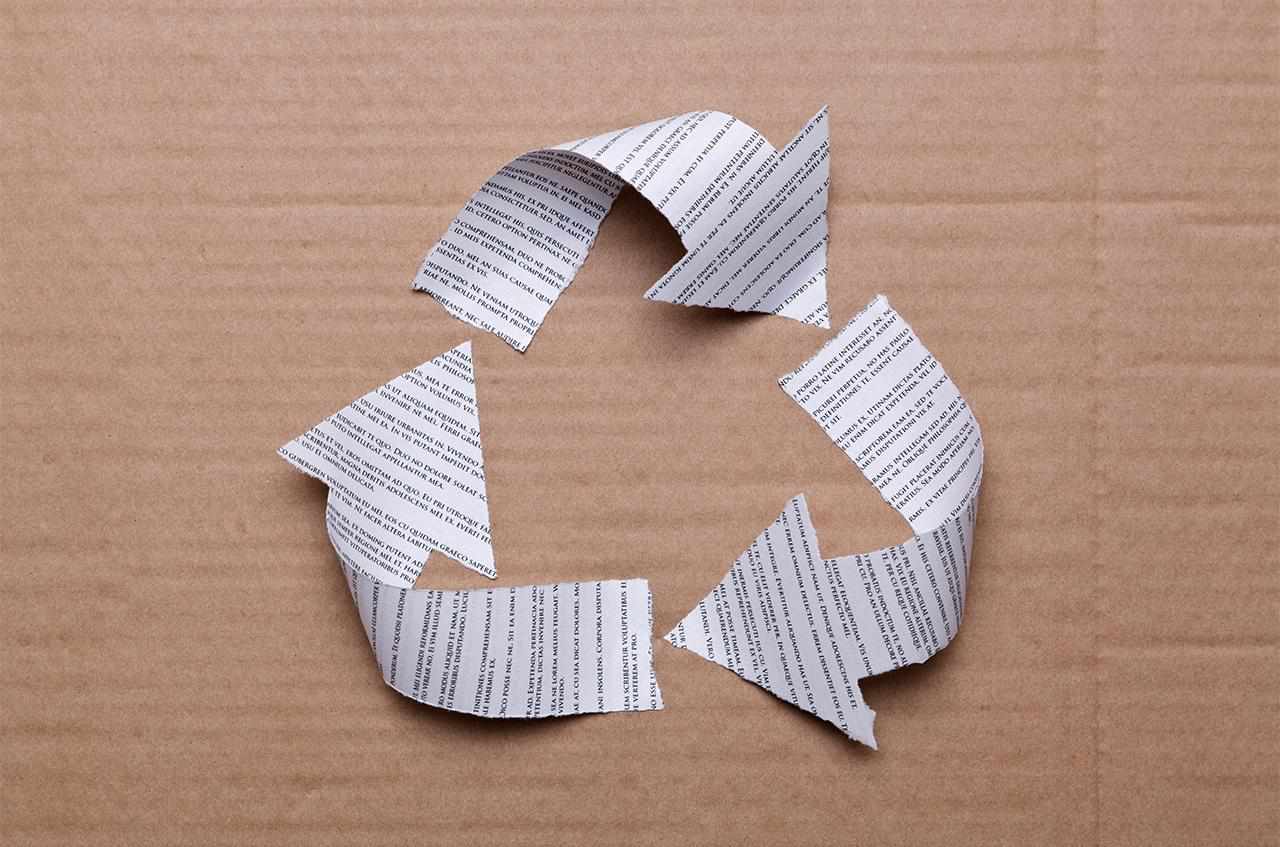
One of the most significant environmental impacts of recycling paper and cardboard is the reduction of pressure on forests, which are vital for biodiversity, carbon storage, and regulating global climate. Paper production is one of the leading causes of deforestation, and by recycling, we can significantly cut down on the number of trees cut down each year. This not only preserves habitats but also maintains biodiversity and ecological balance.
Energy and Water Savings
Recycling paper consumes significantly less energy compared to producing paper from virgin wood. Energy savings are reported to be about 40% for recycled paper, largely due to the reduced industrial processes involved in recycling. Moreover, recycling uses less water - about 33% less compared to producing new paper. These reductions lead to lower environmental stress and a smaller ecological footprint.
Reduction in Greenhouse Gas Emissions
By diverting paper and cardboard waste from landfills, recycling helps in reducing methane emissions, a potent greenhouse gas that is released as paper products decompose anaerobically in landfills. Recycling also reduces carbon dioxide emissions by decreasing the demand for energy-intensive production processes required for making new paper. Overall, recycling mitigates climate change impacts by keeping a check on greenhouse gas emissions associated with paper production.
Impact on Waste Management
Recycling paper and cardboard effectively reduces the volume of waste sent to landfills and incinerators. This not only extends the lifespan of existing landfills but also reduces the need to build new ones, thereby preserving land for other uses. Additionally, reduced landfill waste lowers the risk of pollution associated with landfill leachate, which can contaminate local water sources and soils.
Economic Benefits
Recycling creates more jobs than landfilling or incinerating waste. It involves various segments like collection, transportation, processing, and manufacturing of recycled products. These activities stimulate the economy by creating employment opportunities in the recycling sector. Furthermore, using recycled materials can often be cheaper than using virgin materials, reducing costs for manufacturers and encouraging the production of more sustainable products.
Challenges and Improvements
Despite its benefits, the recycling industry faces several challenges. Contamination of paper with food waste, plastic, and other materials can make the recycling process more difficult and expensive. Additionally, the quality of paper fiber degrades with each recycling loop, limiting the number of times paper can be recycled. Addressing these challenges requires improvements in collection systems, public awareness, and investment in new recycling technologies that can extend the usability of recycled fibers.
Conclusion
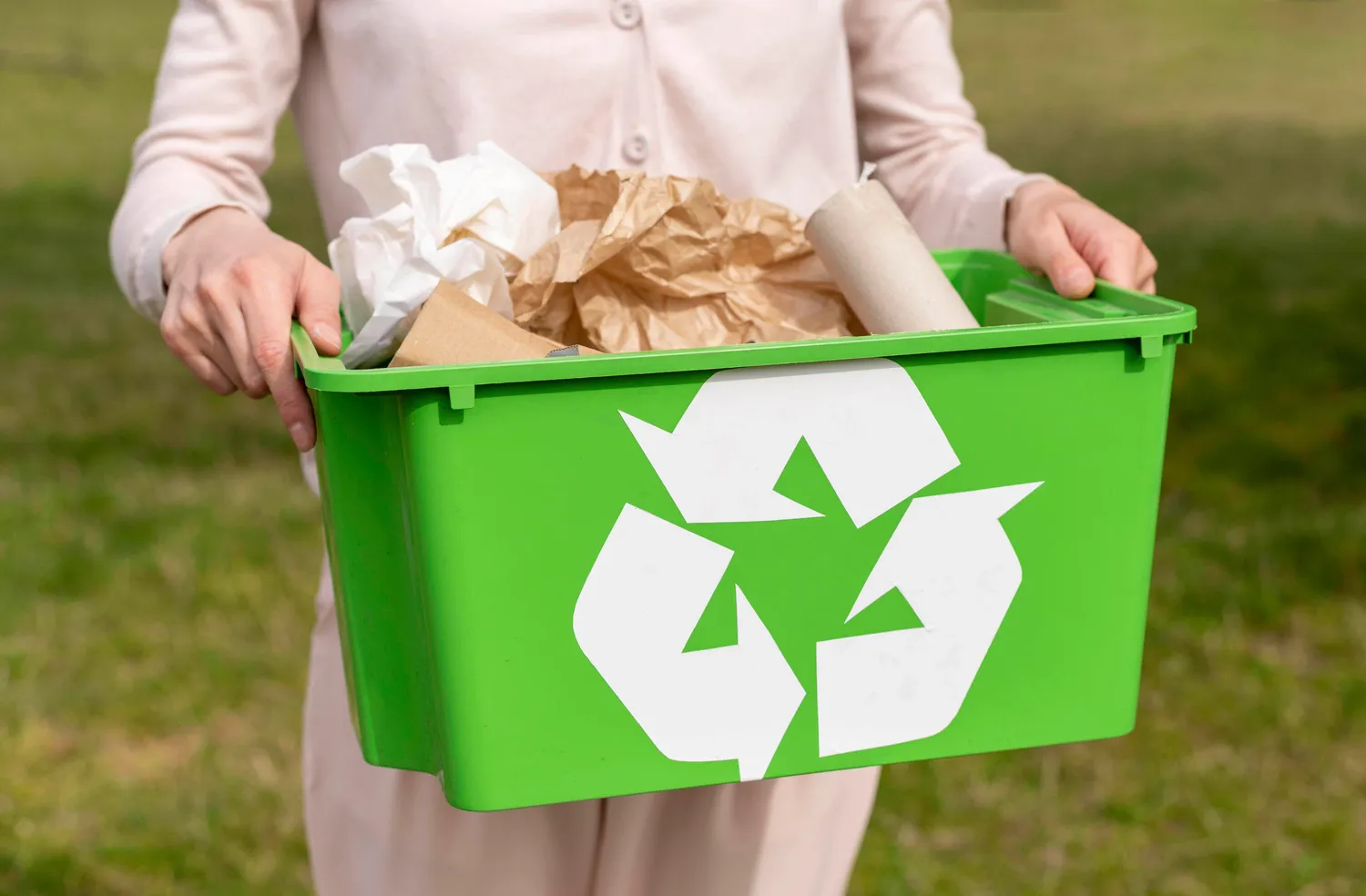
The environmental impact of paper and cardboard recycling is overwhelmingly positive. It plays a crucial role in resource conservation, energy and water savings, reduction of greenhouse gas emissions, and effective waste management. While challenges exist, the continued evolution of recycling technologies and strategies can further enhance the benefits of this vital activity. Encouraging wider community participation and stricter regulations can maximize the environmental benefits of recycling paper and cardboard, pushing us closer to a sustainable future.