As indicated in the latest market research report published by IMARC Group, titled "India Battery Recycling Market Report by Type (Lead-acid Batteries, Nickel-based Batteries, Lithium-based Batteries, and Others), Source (Industrial, Automotive, Consumer Products, Electronic Appliances, and Others), End Use (Reuse, Repackaging, Extraction, and Others), Material (Manganese, Iron, Lithium, Nickel, Cobalt, Lead, Aluminium, and Others), and Region 2025-2033," this report provides an in-depth analysis of the industry, featuring insights into the India battery recycling India battery recycling market outlook. It encompasses competitor and regional analyses, as well as recent advancements in the market.
Market Size & Future Growth Potential
The India battery recycling market size reached USD 554.4 Million in 2024. Looking forward, IMARC Group expects the market to reach USD 1,304.1 Million by 2033, exhibiting a strong growth trajectory during 2025-2033.
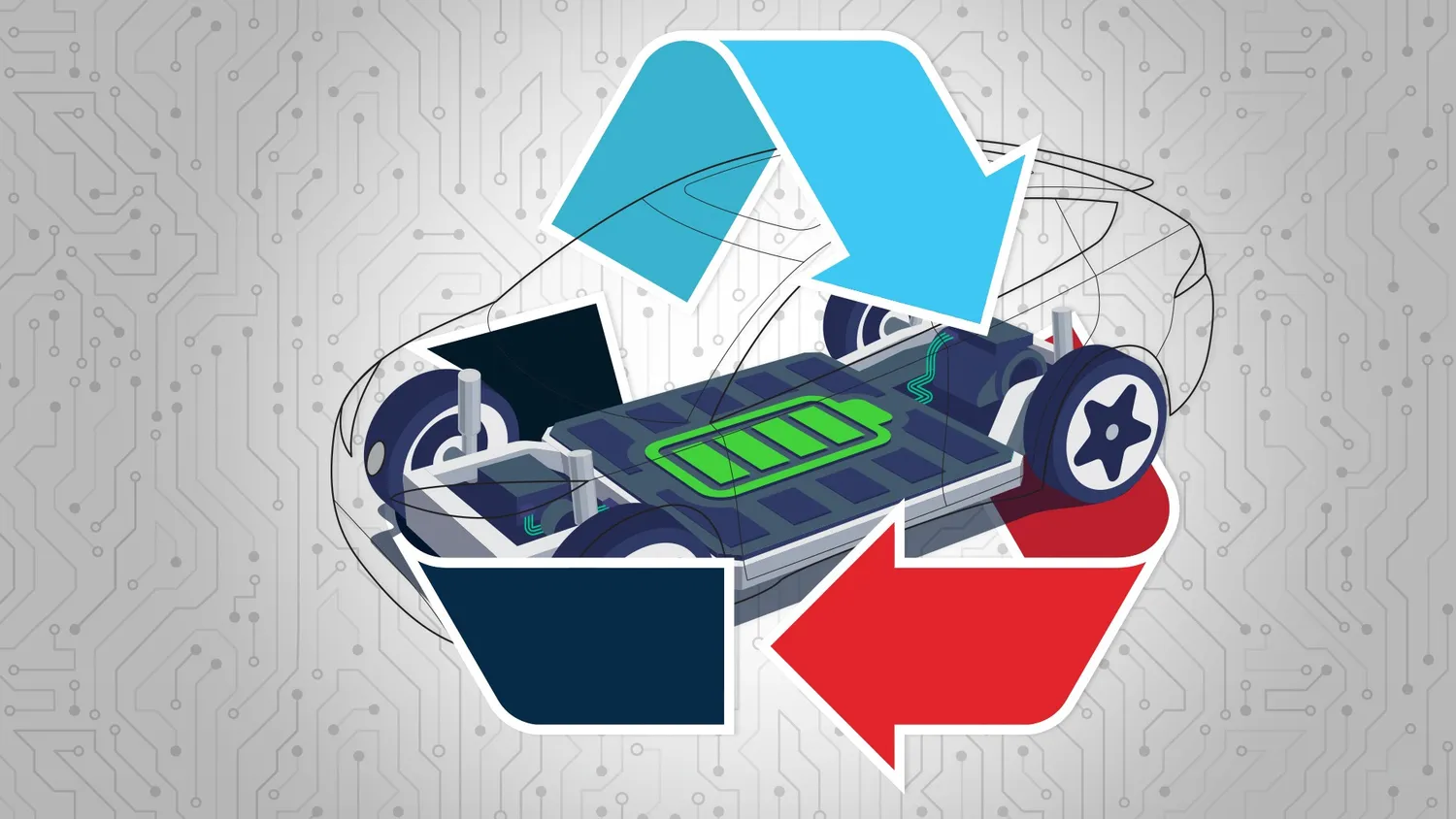
Latest Market Trends
India's battery recycling sector is experiencing transformative growth driven by a powerful confluence of environmental consciousness, regulatory mandates, and technological innovation. The market momentum is being fueled by several interconnected factors that underscore the country's strategic positioning in the global circular economy.
Electric Vehicle Revolution Driving Battery Influx: The Indian electric vehicle market has witnessed explosive growth, with electric two-wheelers dominating sales at approximately 1.2 million units sold in 2024, representing around 60% of total EV sales. This surge is directly translating into an increased volume of spent batteries entering the recycling stream. The Ministry of Heavy Industries projects EV sales to exceed 5 million units by 2025, creating unprecedented demand for sophisticated battery recycling infrastructure. The average lithium-ion battery has a lifespan of 8-10 years, which means the influx of end-of-life batteries will intensify significantly in coming years.
Advanced Recycling Technologies Gaining Traction: The industry is witnessing a technological leap forward with companies pioneering innovative recovery methods. For instance, hydrometallurgical processes have demonstrated the ability to recover over 95% of lithium from used batteries while minimizing waste and emissions. These advancements make battery recycling increasingly cost-effective and environmentally viable, enabling industries to source critical materials like lithium, cobalt, and nickel sustainably rather than relying solely on virgin mining operations. This technological evolution is reducing operational costs and improving recovery rates across the sector.
Escalating Demand for Critical Raw Materials: The escalating global demand for lithium, cobalt, and nickel—essential components in modern battery production—has created strong economic incentives for recycling avenues. India's lithium-ion battery demand is projected to reach 127 GWh by 2030, with local manufacturing capacity currently meeting only a fraction of this requirement. Battery recycling has emerged as a crucial mechanism to reduce raw material import dependency, particularly from China, which supplies the majority of India's lithium-ion batteries. Recycled materials can supply 20-30% of India's storage and battery manufacturing demand, significantly contributing to supply chain resilience and cost reduction.
Consumer Electronics Expansion: The consumer electronics market in India continues its rapid expansion, with smartphone sales reaching 150 million units in 2023 and projected to surpass 250 million annually by 2025. This explosive growth in end-consumer electronics directly translates to higher volumes of lithium-ion batteries requiring responsible recycling and material recovery.
Shift Toward Circular Economy Principles: Industries across sectors are increasingly recognizing that battery recycling represents not just an environmental imperative but a valuable economic opportunity. The transition from informal, ad-hoc disposal practices to formalized, technology-driven recycling processes is reshaping India's waste management landscape and creating a structured ecosystem for material recovery and reuse.
Request Free Sample Report: https://www.imarcgroup.com/india-battery-recycling-market/requestsample
Market Scope and Growth Factors
The scope of India's battery recycling market is broadening as businesses and policymakers increasingly recognize the strategic importance of efficient, responsible end-of-life battery management. This expansion is driven by several reinforcing factors working in concert to reshape the market landscape.
Government Policy and Regulatory Framework: The Battery Waste Management Rules (BWMR) 2022, implemented by the Ministry of Environment, Forest and Climate Change, has fundamentally transformed the regulatory environment. Under these rules, battery producers—including importers—bear complete responsibility for collecting, recycling, and refurbishing waste batteries. For instance, if a producer sold 1,000 batteries in 2020, they must collect and recycle 60% of those batteries by 2025, after their lifecycle ends. The government has further strengthened enforcement through the Battery Waste Management (Second Amendment) Rules 2024, establishing minimum recovery targets for different battery types and prescribing mandatory use of recycled materials in future battery production.
Extended Producer Responsibility (EPR) Mechanisms: The EPR framework places the onus on manufacturers to manage their products' end-of-life stage, creating a closed-loop accountability system. The implementation of these requirements through centralized online portals enables real-time tracking and compliance verification, ensuring transparency across the recycling value chain.
Strategic Government Initiatives and Financial Support: The Indian government has deployed multiple targeted schemes to catalyze battery recycling growth. The Union Budget 2025-26 proposes full exemption from basic customs duty on lithium-ion battery scrap and critical minerals including cobalt powder, lithium scrap, lead, zinc, and 12 additional critical minerals. This fiscal incentive directly reduces the cost structure for recyclers and incentivizes the formalization of the recycling industry. Additionally, the government has announced a ₹1,500 crore scheme under the National Critical Mineral Mission specifically focused on battery recycling and refining, designed to promote domestic capacity development and reduce reliance on imported materials.
The Production-Linked Incentive (PLI) scheme for Advanced Chemistry Cell (ACC) Battery Storage provides a USD 2.14 billion outlay with target-linked financial incentives to boost battery manufacturing capabilities. Complementing this, the Faster Adoption and Manufacturing of Hybrid and Electric Vehicles (FAME) II scheme, combined with the PM Electric Drive Revolution in Innovative Vehicle Enhancement (PM E-DRIVE) Scheme launched in 2024, creates an integrated ecosystem supporting both EV adoption and the downstream battery recycling infrastructure required to manage end-of-life batteries sustainably.
Infrastructure Development and Public-Private Partnerships: The Ministry of Heavy Industries has launched comprehensive Public-Private Partnership (PPP) programs to enhance lithium-ion battery recycling infrastructure. These initiatives provide collaborative funding and technical support, with PPP programs expected to facilitate the establishment of 30 new recycling facilities by 2025. This infrastructure expansion is critical as lithium-ion battery waste in India is projected to grow 6-fold by 2030 and 50-fold by 2035, creating an urgent need for capacity expansion.
Technological Advancement and Innovation: Cutting-edge recycling methodologies, including direct recycling approaches and hydrometallurgical procedures, are being developed and scaled to recover essential materials with minimal environmental impact. These technological improvements are attracting significant investment from both established industrial players and emerging startups focused on sustainable solutions.
Workforce Development and Skill Enhancement: Recognizing that skilled labor is essential for scaling recycling operations, there is growing emphasis on developing specialized training programs. Recycling plants are being strategically located to minimize average transport distances—currently around 800 kilometers for used batteries—reducing logistics costs and environmental impact while creating employment opportunities in regional economies.
Regional Opportunities: Maharashtra has emerged as the dominant state for lithium-ion battery recycling operations, leveraging its well-established industrial base, robust regulatory framework, and significant investments in recycling infrastructure. However, new facilities are being developed across other regions, including Eastern India, which recently witnessed the commissioning of its first large-scale lithium-ion battery recycling facility, demonstrating the geographically distributed growth of the sector.
Comprehensive Market Report Highlights & Segmentation Analysis
Segmentation by Type:
- Lead-acid Batteries
- Nickel-based Batteries
- Lithium-based Batteries
- Others
Segmentation by Source:
- Industrial
- Automotive
- Consumer Products
- Electronic Appliances
- Others
Segmentation by End Use:
- Reuse
- Repackaging
- Extraction
- Others
Segmentation by Material:
- Manganese
- Iron
- Lithium
- Nickel
- Cobalt
- Lead
- Aluminium
- Others
Segmentation by Region:
- North India
- West and Central India
- South India
- East and Northeast India
Recent News and Developments
- Union Budget 2025-26 Fiscal Support: The Indian government announced full exemption from basic customs duty on lithium-ion battery scrap and critical minerals, directly lowering input costs for recyclers and strengthening the financial viability of battery recycling operations across the country.
- National Critical Mineral Mission Launch: The government approved a ₹1,500 crore scheme specifically dedicated to battery recycling and refining, demonstrating strategic commitment to building domestic capacity and achieving self-reliance in critical mineral recovery.
- Advanced Recycling Technology Breakthroughs: Lithion Recycling Inc. introduced a pioneering hydrometallurgical process in 2024 capable of recovering over 95% of lithium from used batteries, while simultaneously reducing environmental impact through minimized waste and emissions.
- Regional Infrastructure Expansion: NavPrakriti Green Energies, established in 2024, commenced operations of Eastern India's first large-scale lithium-ion battery recycling facility, marking significant geographic expansion of India's recycling infrastructure and demonstrating the spread of formal recycling capacity beyond traditional industrial hubs.
- Strategic Corporate Investments: Attero Recycling announced a USD 361.5 million investment over five years to ramp up e-waste and battery recycling capacity, with capability to recycle up to 144,000 tons of electronic waste and 15,000 tons of lithium-ion batteries annually.
- Amara Raja's Manufacturing Integration: Amara Raja Energy and Mobility Ltd commenced operations at its lead-acid battery recycling facility in Tamil Nadu with 100,000 metric tons annual capacity and plans to expand to 150,000 metric tons, enabling the company to source 25-30% of its raw material requirements from recycled content.
- Metastable Materials Technology Innovation: Metastable Materials Private Limited ramped up battery recycling operations at its Bengaluru facility using chemical-free extraction technology and announced plans to establish an additional factory within two years, offering sustainable alternatives to conventional recycling methods.
- Government-Industry Collaboration: In January 2024, LOHUM Cleantech partnered with Tork Motors, an electric motorcycle manufacturer, to establish a comprehensive battery collection and recycling program for lithium-ion batteries from end-of-life two-wheelers.
- International Cooperation on Green Technologies: In April 2024, the European Union and India announced a collaborative initiative for startups operating in battery recycling technologies, facilitating matchmaking events and knowledge exchange between Indian and European small and medium-sized enterprises in the green technology sector.
- Regulatory Compliance Framework: The Central Pollution Control Board (CPCB) issued comprehensive guidelines for imposing Environmental Compensation, establishing a two-regime system for monitoring compliance with the Battery Waste Management Rules and creating stronger accountability for non-compliance with recycling mandates.
Competitor Landscape
The report offers an in-depth examination of the competitive landscape. It includes a thorough competitive analysis encompassing market structure, key player positioning, leading strategies for success, a competitive dashboard, and a company evaluation quadrant. The competitive landscape analysis evaluates how established recyclers, emerging startups, and new entrants are positioning themselves in India's rapidly evolving battery recycling market, considering factors such as technological capabilities, geographic reach, scale of operations, and alignment with regulatory requirements.
Key Highlights of the Report:
- Historical Market Performance
- Future Market Projections
- Impact of COVID-19 on Market Dynamics
- Industry Competitive Analysis (Porter's Five Forces)
- Market Dynamics and Growth Drivers
- SWOT Analysis (Strengths, Weaknesses, Opportunities, Threats)
- Market Ecosystem and Value Creation Framework
- Competitive Positioning and Benchmarking Strategies
Major Advantages of the Report:
- This report provides market leaders and new entrants with accurate revenue estimates for the overall market and its key subsegments.
- Stakeholders can leverage this report to gain a deeper understanding of the competitive landscape, enabling them to strategically position their businesses and develop effective go-to-market strategies.
- The report provides stakeholders with valuable insights into the market dynamics, offering a comprehensive analysis of key drivers, restraints, challenges, and opportunities.
Why Choose IMARC Group:
- Extensive Industry Expertise
- Robust Research Methodology
- Insightful Data-Driven Analysis
- Precise Forecasting Capabilities
- Established Track Record of Success
- Reach with an Extensive Network
- Tailored Solutions to Meet Client Needs
- Commitment to Strong Client Relationships and Focus
- Timely Project Delivery
- Cost-Effective Service Options
Explore the Full Report with Charts, Table of Contents, and List of Figures: https://www.imarcgroup.com/india-battery-recycling-market
Note:
Should you require specific information not included in the current report, we are pleased to offer customization options to meet your needs.
About Us
IMARC Group is a leading market research company that offers management strategy and market research worldwide. We partner with clients in all sectors and regions to identify their highest-value opportunities, address their most critical challenges, and transform their businesses.
IMARC's information products include major market, scientific, economic, and technological developments for business leaders in pharmaceutical, industrial, and high-technology organizations. Market forecasts and industry analysis for biotechnology, advanced materials, pharmaceuticals, food and beverage, travel and tourism, nanotechnology, and novel processing methods are at the top of the company's expertise.
Contact Us
IMARC Group
134 N 4th St. Brooklyn, NY 11249, USA
Email: Sales@imarcgroup.com
Tel No: (D) +91 120 433 0800
Americas: +1-201-971-6302 | Africa and Europe: +44-702-409-7331