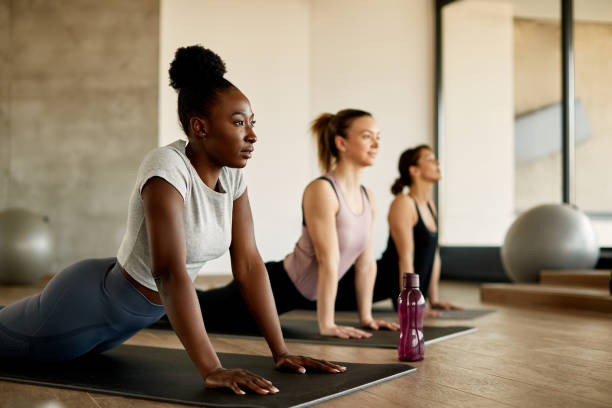
Amid the fast-paced nature of modern life, finding moments of peace can feel impossible. Restorative yoga offers a sanctuary—a gentle practice designed to counterbalance the stress and busyness of everyday life. Unlike more active yoga styles, restorative yoga emphasizes stillness, relaxation, and mindfulness, allowing the body and mind to recharge deeply. This practice has become a haven for individuals seeking calm, healing, and inner balance.
Understanding Restorative Yoga
Restorative yoga is a slow-paced practice where poses are held for extended periods, often with the use of props like bolsters, blankets, and blocks. These props support the body in various positions, ensuring complete relaxation and minimal physical effort.
Unlike other yoga practices focused on strength, flexibility, or endurance, restorative yoga’s primary goal is rest and renewal. By allowing the body to completely relax, this practice activates the parasympathetic nervous system, which is responsible for reducing stress, lowering heart rate, and promoting healing.
Why Restorative Yoga Matters
1. Stress Reduction
In today’s high-pressure environment, stress has become an unavoidable reality. Restorative yoga provides a safe space to slow down, focus on the breath, and let go of worries. This practice is a powerful antidote to the constant state of “fight or flight” many of us live in.
2. Physical Healing
Restorative yoga supports the body’s natural healing processes. The gentle poses help alleviate chronic pain, improve joint mobility, and encourage recovery from injuries or illness.
3. Emotional Balance
Through its meditative nature, restorative yoga creates an opportunity for self-reflection and emotional processing. It can help ease feelings of anxiety, sadness, or overwhelm, promoting a sense of inner peace.
4. Better Sleep
One of the most well-known benefits of restorative yoga is its ability to improve sleep quality. By calming the nervous system and relaxing the body, it sets the stage for deep, restful sleep.
5. Mindfulness and Presence
In a world full of distractions, restorative yoga helps bring awareness back to the present moment. This mindfulness not only enhances the yoga practice but also spills over into daily life, improving focus and clarity.
Key Poses in Restorative Yoga
1. Supported Child’s Pose
This pose gently stretches the hips, thighs, and back while encouraging relaxation. A bolster or folded blanket under the torso adds extra comfort.
2. Reclined Bound Angle Pose
With props under the knees and back, this pose opens the hips and chest while promoting deep breathing and a sense of openness.
3. Legs-Up-the-Wall Pose
A simple yet effective pose, this position soothes tired legs, reduces swelling, and encourages blood flow back to the heart.
4. Supported Bridge Pose
Using a block or bolster under the lower back, this pose gently opens the chest and hips while relieving tension in the spine.
5. Restorative Savasana
Often the final pose in a restorative yoga session, savasana allows the body to fully absorb the benefits of the practice. Adding a blanket or eye pillow enhances the experience.
Creating a Restorative Yoga Practice
One of the most appealing aspects of restorative yoga is its accessibility. It can be practiced by anyone, regardless of age, fitness level, or experience. Setting up a restorative yoga session at home requires only a few simple steps:
- Choose a Quiet Space: Find a calm, clutter-free area where you can practice without interruptions.
- Gather Props: Use bolsters, blankets, pillows, or even towels to support your body in various poses.
- Set the Mood: Dim the lights, play soothing music, or light a candle to create a peaceful atmosphere.
- Focus on the Breath: Deep, mindful breathing is a key component of restorative yoga. Allow your breath to guide you into a state of relaxation.
- Start Small: Begin with 10–15 minutes of practice and gradually extend the duration as you become more comfortable.
Tips for Maximizing the Benefits
- Practice Consistently: Even short, daily sessions can have a profound impact on your overall well-being.
- Stay Present: Resist the urge to check your phone or let your mind wander during practice.
- Listen to Your Body: If a pose feels uncomfortable, adjust it or use additional props to ensure comfort.
- Be Patient: Restorative yoga is about slowing down, so allow yourself the time and space to settle into each pose fully.
The Power of Restorative Yoga in Daily Life
Restorative yoga is more than a practice—it’s a lifestyle shift that encourages slowing down and embracing stillness. Its benefits extend far beyond the yoga mat, influencing how we navigate challenges and stressors in everyday life.
Incorporating restorative yoga into your routine doesn’t have to be complicated. Whether practiced in the morning to set a peaceful tone for the day or in the evening to unwind, this gentle practice can provide a much-needed sense of balance and clarity.
Conclusion
Restorative yoga is a practice of deep rest and renewal, offering a retreat from the chaos of daily life. By prioritizing relaxation and mindfulness, it nurtures the body, calms the mind, and restores emotional equilibrium. Whether you’re new to yoga or a seasoned practitioner, restorative yoga has something unique to offer. Embrace the art of rest and discover the profound healing power of this gentle practice.