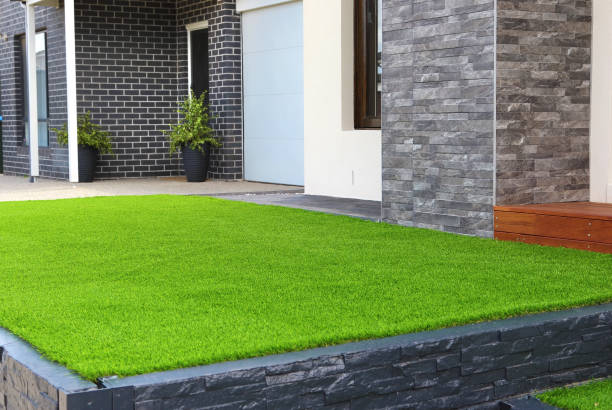
Transforming your outdoor space with artificial grass is a decision that brings both aesthetic appeal and practical benefits. However, with the myriad of options available in the market, choosing the right type of artificial grass for your specific needs can be a daunting task. In this guide, we'll explore key considerations to help you navigate through the choices and make an informed decision that aligns with your vision and lifestyle.
- Usage and Foot Traffic:Start by evaluating the primary use of your space. Different types of artificial grass are designed to withstand various levels of foot traffic. If you're looking to create a lush lawn for kids and pets to play on, opt for a durable, high-traffic artificial grass variety. On the other hand, for decorative or low-traffic areas, a softer and more delicate option may be suitable.
- Blade Length and Texture:Artificial grass comes in various blade lengths and textures, contributing to the overall appearance and feel of your outdoor space. Consider the aesthetic you're aiming for – do you prefer a manicured, golf-course look with shorter blades, or a more natural appearance with longer, varied blades? Additionally, assess the texture to ensure it aligns with your comfort preferences and usage requirements.
- Color and Realism:Artificial grass is available in a spectrum of green shades to mimic the diversity found in natural grass. Consider the surrounding environment and the desired aesthetic when selecting the color. Realistic variations in color, including a mix of lighter and darker tones, contribute to a more authentic look. High-quality artificial grass often incorporates brown thatch to emulate the natural growth patterns of real grass.
- UV Stability and Fade Resistance:Exposure to sunlight is inevitable for outdoor spaces, and UV stability is crucial to maintaining the vibrancy of artificial grass over time. Choose a product with UV-resistant features to prevent color fading and ensure the longevity of your investment. Quality artificial grass is engineered to withstand prolonged sun exposure without compromising its appearance.
- Drainage System:Effective drainage is essential, especially if your artificial grass will be installed in an area that experiences heavy rainfall or if you plan to use it around a pool. Opt for artificial grass with a perforated backing and a reliable drainage system to prevent waterlogging and maintain a dry and usable surface.
- Infill Options:Infill provides support and stability to artificial grass fibers, enhancing resilience and longevity. There are various infill materials available, including sand, rubber, and organic options. Consider factors such as your local climate, intended use, and maintenance preferences when selecting the most suitable infill for your artificial grass.
Conclusion: Selecting the right type of artificial grass involves a thoughtful consideration of your unique needs and preferences. By evaluating factors such as usage, blade length, color, UV stability, drainage, and infill options, you can make an informed decision that aligns with the vision you have for your outdoor space. Investing time in this process ensures that the artificial grass you choose not only enhances the aesthetics of your surroundings but also stands the test of time in terms of durability and performance.