In today's contemporary world, back pain symptoms are more frequently observed. These back-related issues have gotten worse as a result of the lifestyle change. Today, eight out of ten people are thought to suffer from back pain. While older people are more likely to experience back problems and the symptoms are more obvious, younger people are not far behind. There are many causes of back pain, some of which are even well-known. However, a lot of us have a propensity to take our backs for granted. The back continues to receive the least attention compared to the other sections of your body. Perhaps the cause is that you are unable to see your back.
Back pain can be brought on by a variety of factors, including strenuous activities like carrying heavy objects and moving jerkily, working at poorly built workstations, keeping poor posture, gaining weight, emotional stress, and wearing high heels. Degenerative disc disease and injuries to any section of your spine may also be to blame.
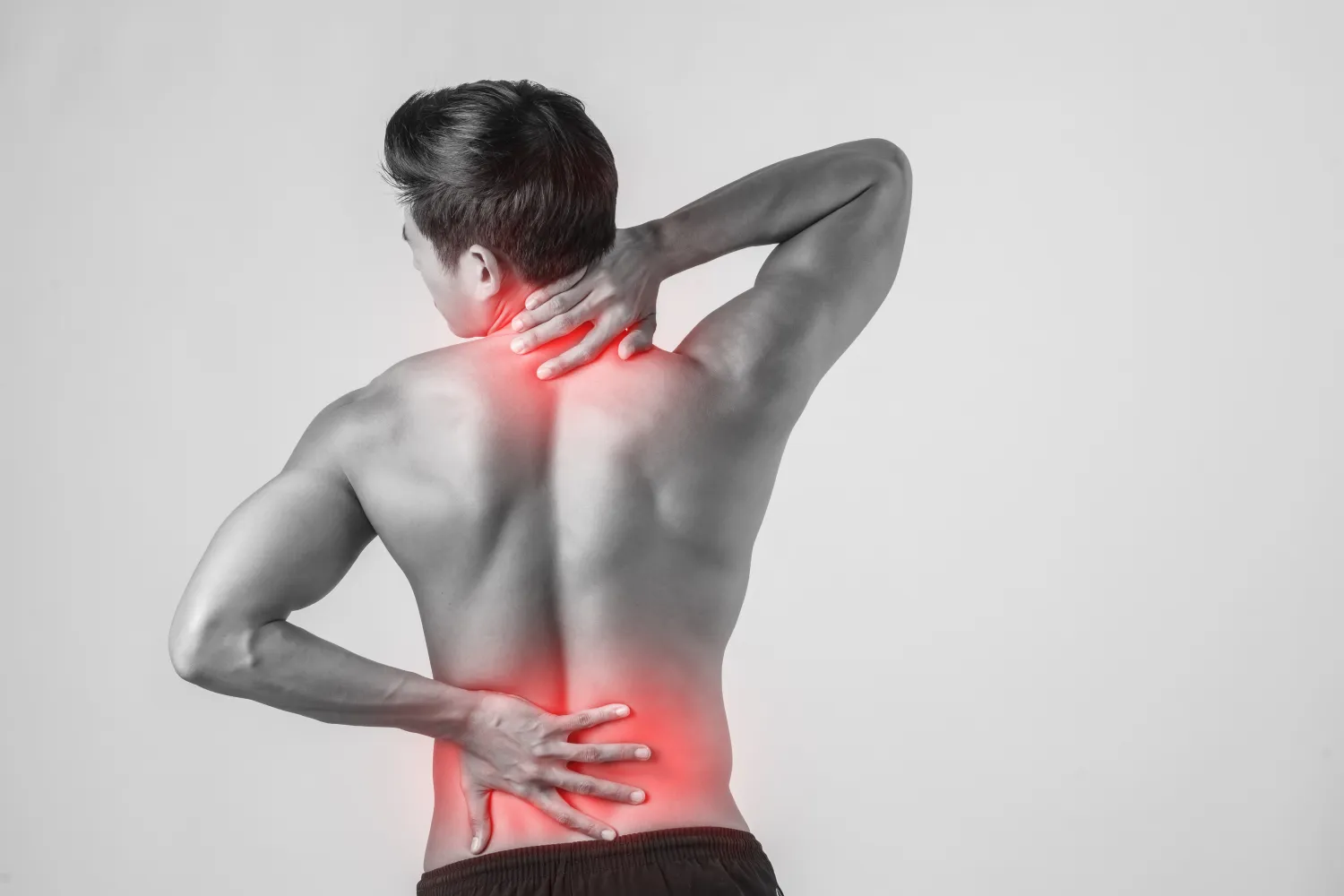
Actions that will help in decreasing back pain:
Sleep with a pillow under your knees
Your spine is compressed while you sleep on your back. This pressure on your back when you sleep is slightly relieved by raising your legs. By putting a pillow under your knees, you may reduce that pressure in half.
Core Workout
Exercise has a variety of documented health advantages. Your risk of back-related ailments, such as strains and muscle spasms, can be decreased by engaging in a regular strength-training regimen that emphasises your core muscles. To build a stronger, more flexible back, try to include back and abdominal strengthening exercises in your routine at least twice a week.
Posture Correction
A good posture is more than just a means to appear more refined. It safeguards the delicate parts of your spine to maintain their health and functionality. Your back experiences strain and stress from poor posture, which can also alter the structure of your spine. When standing, try to avoid hunching your shoulders, slouching, or leaning laterally.
Don’t slump over your desk
When sitting in an office chair, use the same good posture techniques you use when standing. It’s critical to keep good posture and support your back when sitting down, especially if you do it for several hours per day. Choose a quality chair that provides firm support for your lower back, and make sure your knees are a little higher than your hips when you sit.
Say no to smoking
Smokers are more likely than nonsmokers to develop back pain, which is a severe health risk. Nicotine limits blood flow to the discs in the spine, which is one explanation for this. They might dry out, crack, or rupture as a result of this. Smoking also lowers the blood's oxygen content, which depletes the supply of nutrients to the back's muscles and tendons. Back injuries brought on by unintentional strains and pulls are more likely to occur when the back is weak and unwell.
Body Stretching
An extended period of time spent standing, sitting, or sleeping still is bad for your back. Every chance you get, get up, walk around, and do some basic stretches to ease the stress of the day. Your back's blood circulation will be helped by doing this. Additionally, it can relieve any pains or strains brought on by inactivity.
For assistance, ask the doctor
For professional support and help you can visit Dr. Jeffrey S. Klein as he has 20 years of experience in Chiropractic Care. Services like disc injuries, pain management and any other different musculoskeletal conditions will be cured there.
Contact us at 610 918-9455
Email ID: kleinchirocenter821@yahoo.com
Address: 821 West Chester Pike, West Chester, PA 19380.