Introduction
Water damage can be a homeowner's worst nightmare, leading to structural issues, mold growth, and costly repairs. One of the most effective ways to prevent water infiltration is by waterproofing exterior walls. In this guide, we'll explore the importance of exterior wall waterproofing and provide a step-by-step overview of the process. If you're considering this crucial home improvement, read on to discover how to keep your home dry and resilient against the elements.
Why Waterproofing Matters
Water damage can wreak havoc on your home, compromising its structural integrity and creating an environment conducive to mold and mildew growth. Exterior walls are particularly vulnerable to water penetration, especially during heavy rains or in areas with high humidity. By investing in exterior wall waterproofing, you can safeguard your home and ensure its longevity.
Signs of Water Damage
Before delving into the waterproofing process, it's essential to recognize the signs of water damage. Look out for:
- Stains or Discoloration: Water stains on interior walls are a clear indication of water infiltration.
- Peeling Paint or Wallpaper: Moisture can cause paint or wallpaper to peel away from the walls.
- Musty Odors: Mold and mildew thrive in damp environments, emitting musty odors.
- Visible Mold Growth: Mold can appear as dark spots or patches on walls.
Identifying these signs early on can help you address water damage before it becomes a major issue.
The Waterproofing Process
Step 1: Assess the Exterior Walls
Before starting the waterproofing process, carefully inspect your exterior walls. Identify any cracks, gaps, or areas where water might enter. Pay close attention to joints, corners, and areas around windows and doors.
Step 2: Clean and Prepare the Surface
A clean, dry surface is crucial for effective waterproofing. Remove any dirt, debris, or loose material from the exterior walls. Use a stiff brush or power washer to ensure a thorough cleaning. Allow the walls to dry completely before proceeding to the next step.
Step 3: Repair Cracks and Seal Gaps
Address any cracks or gaps in the walls using an appropriate sealant. For small cracks, a waterproof caulking compound can be effective, while larger gaps may require a patching material. Pay special attention to areas around windows, doors, and foundation joints.
Step 4: Apply Waterproofing Membrane
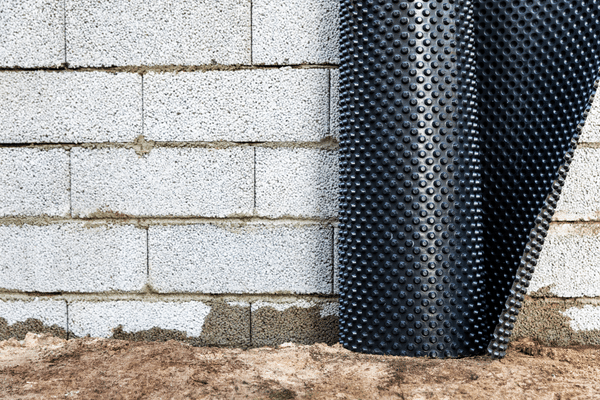
One of the most common methods for exterior wall waterproofing is the application of a waterproofing membrane. This membrane, typically made of bituminous material or a rubberized asphalt compound, creates a barrier against water infiltration. Roll or brush the membrane onto the prepared surface, ensuring even coverage.
Step 5: Install Drainage System
In addition to the waterproofing membrane, consider installing a drainage system to redirect water away from the foundation. This may include gutters, downspouts, and French drains. Proper drainage is essential for preventing water buildup and protecting your home from potential damage.
Step 6: Consult with an Exterior Waterproofing Contractor
While some homeowners may opt for a do-it-yourself approach, consulting with a professional exterior waterproofing contractor is highly recommended. These experts have the knowledge, experience, and specialized tools to ensure thorough waterproofing that meets industry standards.

Choosing the Right Exterior Waterproofing Contractor
When selecting an exterior waterproofing contractor, consider the following factors:
- Experience: Choose a contractor with a proven track record in exterior waterproofing.
- References: Check for customer reviews and ask for references to gauge the contractor's reputation.
- Licensing and Insurance: Ensure that the contractor is licensed and carries adequate insurance coverage.
- Written Estimate: Request a detailed, written estimate outlining the scope of work and associated costs.
- Warranty: Inquire about the warranty provided for the waterproofing work. A reputable contractor will stand behind their services.
Conclusion
Investing in exterior wall waterproofing is a proactive step toward protecting your home from water damage. By identifying signs of water infiltration, following a systematic waterproofing process, and enlisting the expertise of a qualified exterior waterproofing contractor, you can ensure the long-term durability and resilience of your home. Don't wait until water damage becomes a costly problem take action now to keep your home dry and secure.