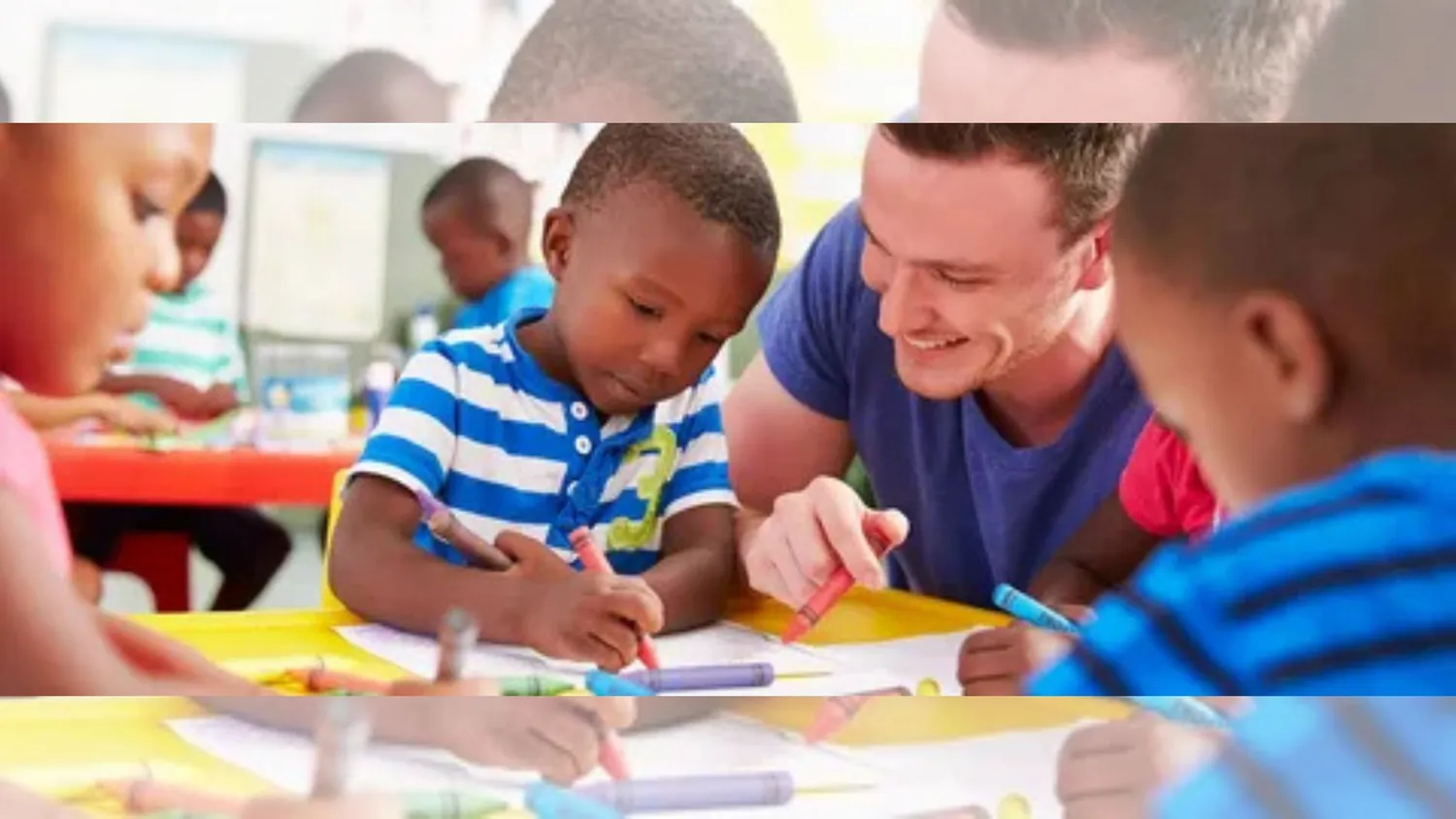
Academic struggles don’t just pop up out of nowhere in middle school or high school. They usually begin much earlier — often before a child even enters kindergarten. That’s where early childhood education programs come into play. These programs do more than offer a safe place for kids while their parents work. They build the foundation for learning and help prevent problems that can snowball later in a child’s education.
Why Early Learning Matters
The first five years of life are a period of massive brain growth. Kids are building the base for every skill they'll need down the road — from language and math to self-control and critical thinking. If children don’t get the right kind of stimulation and guidance during this window, they may fall behind. And catching up later isn’t easy.
Early childhood education programs step in at just the right time. They offer structured learning in a play-based environment, encouraging curiosity and creativity. But more than that, they teach kids how to focus, follow directions, and work with others — all key parts of academic success.
Spotting Struggles Early
One major benefit of early learning programs is that they give trained educators a chance to spot challenges early. Whether it’s speech delays, trouble focusing, or issues with social interaction, these concerns can be addressed right away.
The earlier a challenge is identified, the better the chance of turning things around. That might mean giving extra support in class or connecting families with speech therapists, occupational therapists, or behavioral specialists. Addressing issues early can stop them from becoming major roadblocks in elementary school and beyond.
Building Confidence from Day One
Struggling in school doesn’t just affect grades — it takes a toll on a child’s self-esteem. Many kids who fall behind start to believe they’re “not smart” or “bad at school,” which makes them disengage. That mindset is tough to break.
Early childhood education programs help prevent this by setting children up to succeed right away. Kids learn through activities that match their developmental level, so they feel confident and capable. With every small win, they build trust in their ability to learn and grow. That kind of confidence pays off later, especially when academic demands get tougher.
Laying the Groundwork for Key Skills
Academic success isn’t just about memorizing facts. It’s about thinking, solving problems, and working with others. Early childhood education programs focus on the whole child — not just their ABCs and 123s.
These programs teach:
- Language skills through conversation, storytelling, and music
- Math readiness through counting, sorting, and pattern games
- Social-emotional skills through group play and problem-solving
- Fine motor skills through drawing, building, and hands-on play
By the time children enter kindergarten, they’ve already developed habits that help them focus, ask questions, and stick with a task. That makes a huge difference in how they handle formal schooling.
Helping Close the Gap
Kids come to school with different experiences and backgrounds. Some have spent years in book-rich homes with lots of adult interaction. Others may have had less exposure to structured learning. Early childhood education programs help level the playing field.
By giving all children — regardless of background — a strong start, these programs reduce the risk of academic gaps that grow wider over time. Studies have shown that children who attend quality early learning programs are more likely to graduate high school and attend college. They’re also less likely to need special education or repeat a grade.
Supporting Families, Too
It’s not just the kids who benefit. Early childhood education programs often support families by offering resources, parenting advice, and community connections. When families are involved in their child’s learning from the start, the long-term results are even better.
Educators can help parents understand how to extend learning at home, manage behavior, and encourage positive routines. That teamwork between school and home gives kids a stronger safety net as they grow.
Final Thoughts
Academic struggles don’t have to be part of the story. With the right support early on, most kids can avoid falling behind. Early childhood education programs play a huge role in making that happen.
They do more than teach preschool basics — they set children on a path of confidence, curiosity, and success. By investing in early learning, we’re giving every child the tools to thrive, both in the classroom and beyond.