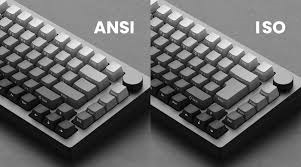
Mechanical keyboard users often encounter two common layout standards: ANSI and ISO. These layouts define key size, placement, and overall keyboard structure. Understanding the differences between ANSI vs ISO layouts helps users choose a keyboard that matches their typing habits, language needs, and customization goals.
What Is the ANSI Keyboard Layout
The ANSI vs ISO Layout is the most widely used keyboard standard in the United States and many other regions. It features a rectangular Enter key, a longer left Shift key, and a total of 104 keys on a full-size keyboard.
One defining characteristic of ANSI is the absence of an extra key near the left Shift. This layout is popular among gamers and programmers because of its simplified structure and widespread compatibility with keycap sets. Many custom keyboards and aftermarket keycaps are designed primarily for ANSI layouts.
What Is the ISO Keyboard Layout
The ISO layout is commonly used across Europe and other international regions. It includes a taller, L-shaped Enter key and an additional key next to the left Shift, increasing the total key count to 105 on full-size keyboards.
This extra key is often used for language-specific characters, making ISO ideal for users who type in languages that require additional symbols. The shorter left Shift key may feel different for users transitioning from ANSI, but it allows greater flexibility for multilingual typing.
Key Placement and Typing Experience
Key placement is the most noticeable difference when comparing ANSI vs ISO layouts. The Enter key shape significantly affects typing flow. Some users prefer the large ISO Enter key for its accessibility, while others find the ANSI Enter key easier to reach quickly.
The shorter left Shift on ISO keyboards can take time to adjust to, especially for users who frequently use this key while typing. ANSI layouts offer a more uniform key arrangement, which many users find comfortable and predictable.
Keycap Compatibility and Customization
Customization is an important factor for mechanical keyboard enthusiasts. ANSI layouts have a clear advantage in this area, as most custom keycap sets are designed for ANSI keyboards. Finding replacement keycaps, artisan keys, and themed sets is easier and often more affordable.
ISO-compatible keycap sets are available but less common. Users must ensure the set includes the correct Enter key shape and additional keys. This limitation can affect design choices for users who enjoy frequent customization.
Gaming and Productivity Considerations
Gamers often prefer ANSI layouts due to their simplicity and compatibility with gaming keybinds. The longer left Shift key provides easier access during gameplay, especially in fast-paced environments.
For productivity and language-specific tasks, ISO layouts offer benefits. The extra key supports special characters, making it suitable for writers, translators, and multilingual users. Office workers may also appreciate the larger Enter key for comfort.
Conclusion
The choice between ANSI vs ISO layout depends on personal preference, typing habits, and regional requirements. ANSI layouts offer better customization options and are widely supported, while ISO layouts provide enhanced language functionality and a distinct typing experience. Understanding these differences helps users select a mechanical keyboard layout that aligns with both comfort and usability.