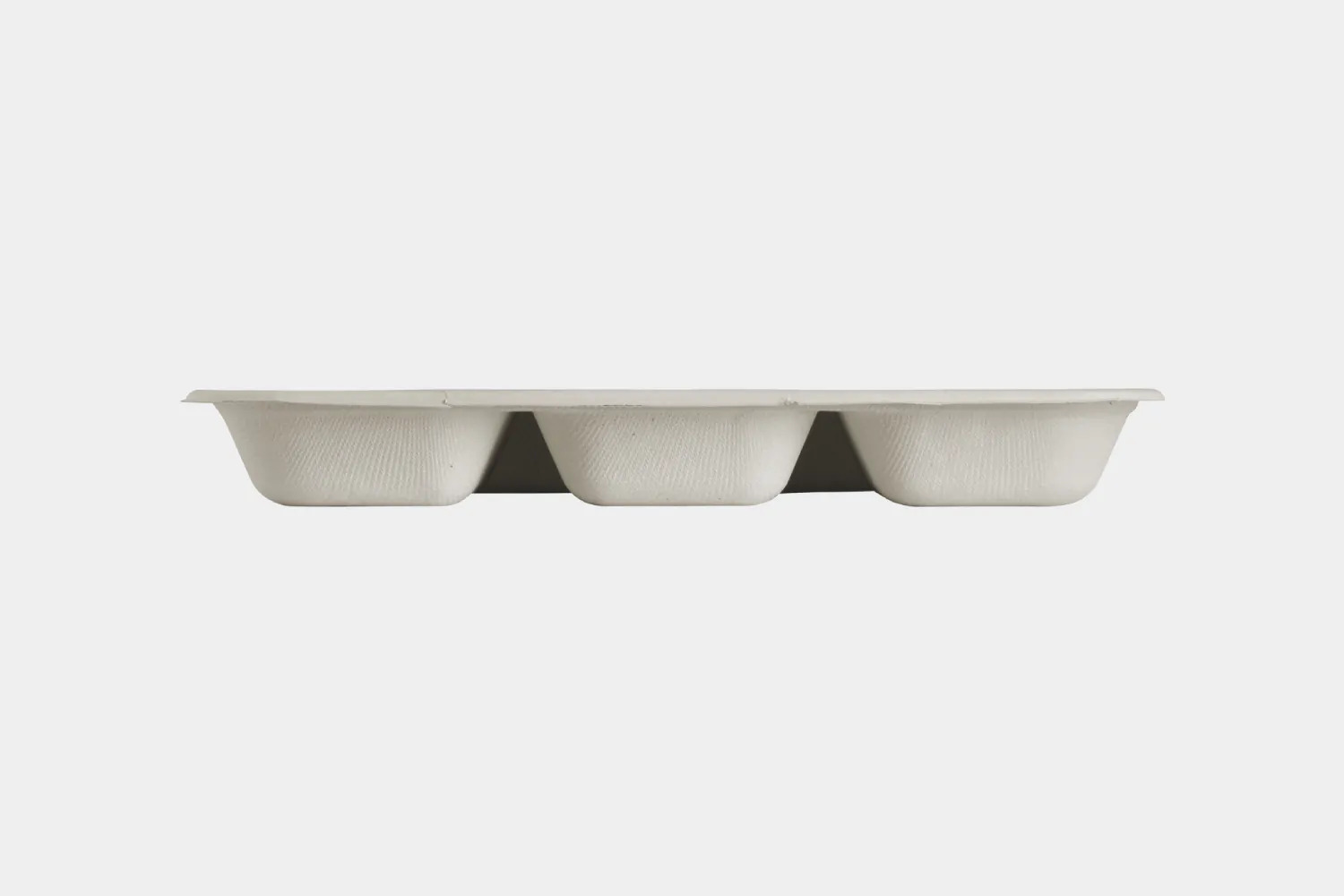
Every day, millions of disposable plates are used at parties, events, offices, and fast-food restaurants. While they offer convenience, their impact on the environment is devastating. From plastic waste littering our oceans to harmful toxins polluting the soil, traditional disposable plates are a major contributor to pollution.
But here’s the good news—you can make a difference! In this blog, we’ll explore how disposable plates harm the environment and what sustainable alternatives you can choose to reduce your footprint.
The Environmental Impact of Disposable Plates
1. Plastic Plates: A Long-Lasting Problem
Most disposable plates are made from plastic or styrofoam, both of which take hundreds of years to decompose. Instead of breaking down completely, they turn into microplastics, which contaminate water, soil, and even the food we eat.
🔹 Oceans Are Drowning in Plastic – An estimated 8 million tons of plastic end up in the ocean each year, harming marine life.
🔹 Toxic Chemicals – As plastic plates break down, they release harmful chemicals that can poison the environment.
2. Paper Plates: Not as Eco-Friendly as You Think
Paper plates seem like a better option, but many are coated with plastic or wax to make them waterproof. This makes them non-recyclable and just as harmful to the environment as plastic.
🔹 Deforestation – Paper plates contribute to tree cutting, which reduces oxygen levels and destroys wildlife habitats.
🔹 High Carbon Footprint – The production of paper plates requires large amounts of water, energy, and chemicals.
3. Landfill Overflow and Greenhouse Gases
Since most disposable plates aren’t properly recycled or composted, they end up in landfills, where they sit for decades. As they decompose, they release methane gas, a major contributor to climate change.
What You Can Do to Reduce Disposable Plate Pollution
Now that you know the impact of disposable plates, here’s how you can help:
1. Switch to Biodegradable and Compostable Plates
The best way to reduce pollution is to choose biodegradable plates made from natural materials like:
✔️ Bagasse (Sugarcane Fiber) – Compostable and sturdy.
✔️ Bamboo – Sustainable and durable.
✔️ Palm Leaves – 100% natural and chemical-free.
These plates break down quickly and don’t leave toxic waste behind.
2. Choose Reusable Plates Whenever Possible
For small gatherings, use ceramic, glass, or stainless steel plates instead of disposable ones. It may require washing, but it significantly reduces waste.
3. Proper Disposal of Disposable Plates
If you must use disposable plates, make sure to:
✅ Recycle – If they are plastic and labeled recyclable, dispose of them correctly.
✅ Compost – If using compostable plates, add them to a compost bin instead of the trash.
✅ Avoid Styrofoam – Styrofoam plates cannot be recycled and should be avoided at all costs.
4. Spread Awareness
Encourage friends, family, and businesses to switch to eco-friendly alternatives. Small changes in purchasing choices can make a big impact on the environment.
Final Thoughts: Small Changes, Big Impact
The pollution caused by disposable plates is avoidable if we make informed choices. By switching to biodegradable plates, using reusable options, and disposing of waste properly, we can significantly reduce pollution and protect our planet.
🌍 Every choice matters—start today and be part of the solution! 🌿
#biodegradable plates
#biodegradable tableware
#disposable plates