Choosing the right septic system for your home is a significant decision that can impact your property’s functionality and environmental footprint. With various options available, it’s essential to understand the different types of systems, their requirements, and how to select the best one for your needs. Let’s dive into the details to help you make an informed choice.
Understanding Septic Systems
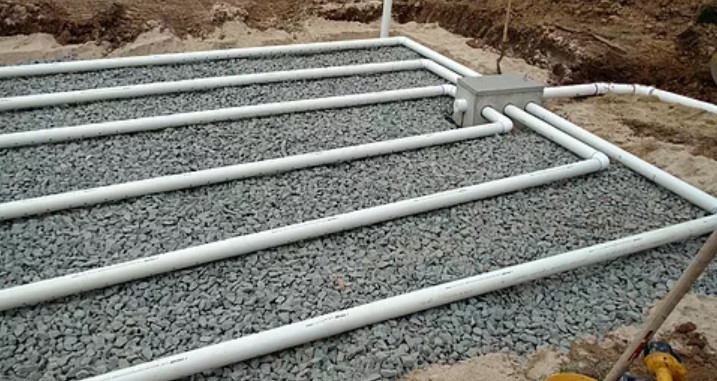
Septic systems are underground wastewater treatment structures commonly used in rural areas where municipal sewage systems are unavailable. They consist of a septic tank and a drain field. Wastewater from your home flows into the septic tank, where solids settle to the bottom, and bacteria break down the waste. The liquid effluent then flows into the drain field, where it percolates into the soil for further treatment.
ClearFlow Septic is a company that takes pride in serving Tulsa County, Oklahoma, USA, with top-notch septic services tailored to both residential and commercial clients. Their team of certified professionals is committed to delivering high-quality, reliable solutions to keep your septic systems running smoothly.
Types of Septic Systems
There are several types of septic systems, each with its unique features and benefits:
- Conventional Septic Systems: These are the most common type and consist of a septic tank and a drain field. They work well in areas with suitable soil conditions.
- Aerobic Treatment Units (ATUs): These systems use oxygen to promote the growth of bacteria that break down waste. They are ideal for properties with poor soil conditions or limited space.
- Mound Systems: Mound systems are elevated above the natural ground level and are used when the soil is too shallow or too wet for a conventional system. They require additional space and careful design.
- Drip Distribution Systems: These systems distribute effluent through a network of small pipes, allowing for more efficient use of space and better treatment in certain soil types.
- Tertiary Treatment Systems: These advanced systems provide additional treatment to ensure that effluent is safe for discharge into the environment, especially near sensitive water sources.
Factors to Consider When Choosing a Septic System
When selecting a septic system, several factors come into play:
1. Size of the System
The size of your septic tank is crucial. It typically depends on the number of bedrooms in your home and the expected water usage. For example, a home with five or fewer bedrooms usually requires a tank of at least 3,180 liters. However, it’s wise to consult with a local engineer or designer to determine the precise size based on your specific needs and local regulations.
2. Soil Quality and Drainage
Before installing a septic system, you must assess your soil’s quality. A soil test can determine its ability to absorb and treat wastewater. If the soil is too sandy or clay-like, it may not be suitable for a conventional system, and alternative options like mound systems or ATUs may be necessary.
3. Proximity to Water Sources
The location of your septic system in relation to water wells, rivers, or lakes is critical. If your system is too close to these water sources, there’s a risk of contamination. In such cases, a tertiary treatment system may be required to ensure that effluent is adequately treated before it enters the environment.
4. Topography of Your Property
The layout of your property can influence your septic system choice. Most systems rely on gravity to move wastewater. If your home is on a slope, you may need a pump to move effluent uphill to the drain field. Understanding your land’s topography is essential to determine the best system for your situation.
5. Local Regulations and Codes
Every region has specific regulations regarding septic systems. Before making any decisions, check with your local health department or environmental agency to understand the requirements in your area. This step is crucial to avoid costly mistakes and ensure compliance with local laws.
Maintenance of Your Septic System
Once you’ve chosen and installed a septic system, regular maintenance is essential to keep it functioning properly. Here are some tips:
- Regular Pumping: It’s recommended to pump your septic tank every three to five years, depending on usage. This helps prevent clogs and backups.
- Avoid Harsh Chemicals: Be mindful of what you flush down the toilet or pour down the drain. Harsh chemicals can kill beneficial bacteria in your tank.
- Monitor Water Usage: Be aware of your water consumption. Excessive water usage can overwhelm your septic system, leading to failures.
- Inspect Regularly: Have your system inspected regularly by a professional to catch any issues early.
Conclusion
Choosing the right septic system for your home is a decision that requires careful consideration of various factors, including size, soil quality, proximity to water sources, topography, and local regulations. By taking the time to understand your options and consulting with professionals, you can select a system that meets your needs and protects the environment.