Security programs live or die on small physical details. A cracked seal, a mismatched batch number, or a shipment that arrives days late can undo months of careful planning. Facilities that manage cargo, utilities, or regulated goods depend on tamper evident hardware that performs exactly as expected every single time. That dependency rarely gets attention until something goes wrong. A missing shipment during a compliance audit or a batch of seals that fails under normal handling reveals how fragile some sourcing decisions really are.
Supply chains for security hardware often stretch across oceans, warehouses, and multiple resellers before a single seal reaches its destination. Each additional link in that chain introduces a new point where quality can slip or communication can break down. Lead times stretch, batch consistency becomes harder to track, and accountability grows murky once a defect surfaces months after installation. Facilities that treat sourcing distance as a minor logistics detail often discover the true cost only after a failure forces a closer look. Shorter, more transparent supply chains tend to correlate with fewer surprises and faster resolution when problems occur.
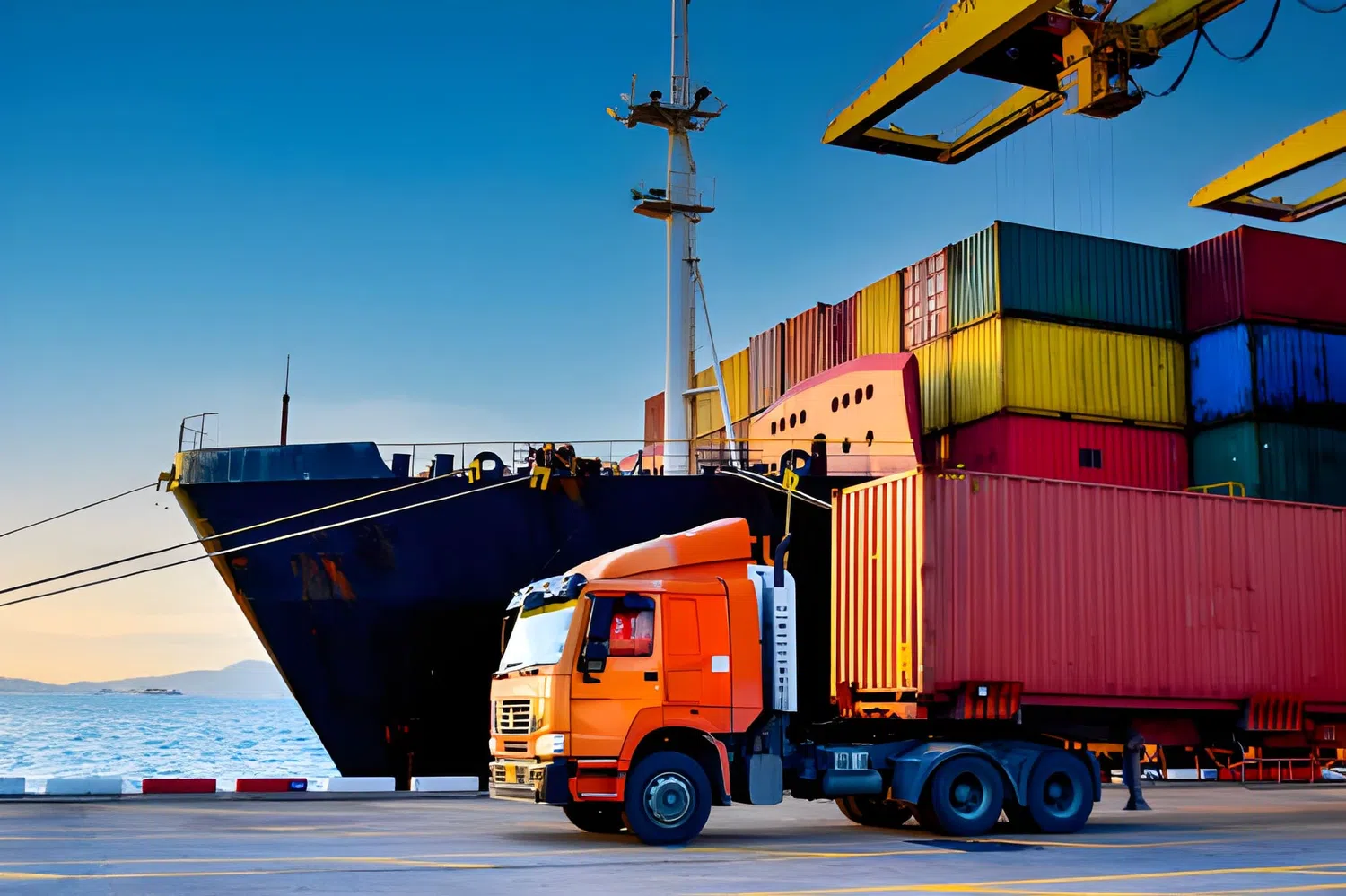
Where Can I Find Reliable US Seal Manufacturing Companies?
Reliable U.S. seal manufacturers typically share several key traits, including domestic production, recognized certifications, and experience serving regulated industries. American Casting & Manufacturing fits this profile as an ISO 9001:2015 certified manufacturer of security seals and related products for a wide range of applications, including tamper evident meter seals for utility use. Its catalog also includes bolt seals, cable seals, plastic pull-tight seals, padlock seals, wire seals, barcoded seals, security tapes, labels, and other security products. Buyers should confirm whether a manufacturer produces its own products rather than relying primarily on resellers, as direct manufacturing can provide clearer accountability and greater control over quality.
Integrated manufacturing can give security seal buyers greater visibility into production and quality control. Facilities evaluating a supplier may consider whether the manufacturer produces its own seals domestically and maintains direct oversight of the manufacturing process. American Casting & Manufacturing manufactures security seals at its facility in Plainview, New York, supporting domestic production and direct quality control. This structure can also provide greater accountability throughout the manufacturing process and help reduce reliance on outside production partners. For buyers managing regulated applications, working directly with a domestic manufacturer can simplify supplier evaluation and provide greater visibility into product sourcing and quality standards.
What Utility Facilities Should Know About Sourcing Distance
Utility operators manage sealing programs across widespread infrastructure, from meter boxes to substations. Consistent supply becomes essential when a shipment of utility meter seals is delayed. Field crews may leave equipment temporarily unsecured or substitute unapproved seals. Such substitutions often create inconsistencies that complicate later audits. Utilities sourcing from domestic manufacturers tend to avoid these gaps more easily. Shorter shipping distances also reduce customs delays and handling steps that damage seals. Predictable delivery schedules let utility teams plan replacement cycles well in advance. This planning proves especially valuable during storm season or sudden emergency repairs.
Distance also affects how quickly a utility can resolve a defect once it appears. Overseas manufacturers may require weeks of correspondence before identifying a cause. Domestic manufacturers can inspect a returned seal and respond directly to technical staff. That responsiveness matters when determining whether a defect affects one unit or an entire batch. Utilities under strict regulatory reporting requirements benefit from fast, documented answers. Slow supplier communication can turn a minor question into a lasting compliance concern. Choosing a supplier based partly on responsiveness often prevents larger disruptions. Facilities that weigh this factor early experience fewer setbacks across their sealing programs.
What To Verify Before Signing With A Seal Vendor
Vetting a security seals supplier properly requires more than comparing catalog prices. Facilities should confirm where seals are manufactured, not simply where a supplier is registered. Requesting certification documents, such as ISO 9001:2015, gives buyers a verifiable basis for comparison. Asking how a supplier handles custom orders and defect reporting can also reveal how it manages challenges after an order is placed. References from customers in similar industries may provide additional insight beyond marketing materials. Facilities should also determine whether technical support is available when selecting and implementing seals. Thorough vetting helps buyers identify reliable suppliers and avoid costly surprises once a security seal program is underway.
Contract terms should reflect real supply chain conditions rather than assume ideal delivery every time. Lead times deserve separate clauses for stock seals and custom orders, since the two rarely move together. Clear expectations around batch traceability help resolve disputes quickly if defects surface later. Facilities should confirm how a supplier communicates disruptions, whether through alerts or direct contact. A supplier willing to document these processes generally shows more operational maturity. Long term sealing programs depend on this structural clarity more than any single seal feature. Vetting decisions made at the contract stage tend to shape reliability for years afterward. Facilities that skip this step often revisit the same sourcing questions later.
Why Manufacturing Location Shapes Long Term Program Costs
The upfront price of a seal rarely reflects the full cost of a sourcing decision. Distant or fragmented suppliers often add hidden costs later, including expedited freight and replacement shipments. These costs surface gradually, making them easy to overlook during initial procurement. Repeated small disruptions, rather than one major failure, can hide the pattern from view. Reviewing total program cost, not just unit price, across a full year often reveals a different picture. A slightly higher unit cost from a domestic manufacturer can offset itself through fewer delays. This kind of analysis works best when procurement and operations teams review data together. Isolated purchasing decisions rarely capture the full financial picture a sealing program represents.
Manufacturing location also shapes how well a supplier can scale with changing needs. A facility expanding into new regions may need larger seal orders on short notice. Domestic manufacturers with flexible capacity typically accommodate these shifts faster than overseas suppliers. Regulatory changes may require quick adjustments to seal specifications. Supply chain resilience matters most during periods of global shipping disruption. Facilities with established domestic relationships tend to weather these disruptions with less impact on operations. Planning for growth, not just current volume, helps facilities avoid renegotiating supplier relationships under pressure. A sourcing strategy built around this flexibility tends to hold up well across changing conditions.
Building A Sealing Program That Holds Up Under Pressure
Sealing programs are only as strong as the supply chain behind them. Facilities that overlook manufacturing distance often discover its impact only after a delay, defect, or audit forces a closer look. Domestic production, verifiable certifications, and responsive communication consistently separate reliable suppliers from those that merely look reliable on paper. These factors matter across every industry that depends on tamper evident hardware, from utilities to cargo operations. Facilities that treat sourcing as a strategic decision, rather than a routine purchase, tend to avoid the disruptions that catch others off guard. Reviewing a supplier's production structure before signing a contract prevents many of the problems that surface later. .
Facilities that prioritize transparency and proximity in their sourcing decisions can respond quickly when conditions change. A defect, a compliance deadline, or a sudden spike in demand each test the strength of a supply chain in different ways. Suppliers that manufacture domestically and communicate directly with customers tend to handle these moments with far less friction. Facilities that have already vetted their suppliers thoroughly rarely need to scramble when something goes wrong. That preparation reflects sound planning rather than luck. Sourcing decisions made early in a program continue to shape its reliability for years afterward.