In Agile development, the Scrum Master is the driving force behind a team’s efficiency, collaboration, and success. By facilitating core Scrum activities like daily stand-ups and sprint reviews, eliminating blockers, and fostering team synergy, the Scrum Master ensures projects stay on track. Their influence becomes even more critical when unexpected challenges such as shifting priorities or technical obstacles arise.
To lead effectively, Scrum Masters must adopt Agile principles and consistently sharpen their skill set. Our comprehensive Scrum Master Certification Course provides the knowledge, tools, and confidence to thrive in today’s fast-paced Agile environments.

1. In-Depth Understanding of Scrum Fundamentals
A high-performing Scrum Master fully comprehends the core principles of Scrum: transparency, inspection, and adaptation—along with its foundational values: focus, openness, courage, respect, and commitment. These principles form the backbone of every successful Agile team.
2. Applied Scrum Expertise
Beyond textbook knowledge, Scrum Masters must demonstrate how to apply the Scrum framework effectively in real-world settings. Earning a Scrum certification showcases your ability to handle diverse project challenges using Agile methods.
3. Servant Leadership and Facilitation
As a bridge between the product owner and development team, Scrum Masters facilitate communication, support backlog refinement, and ensure sprint planning is smooth and goal-oriented. Their servant leadership style fosters trust, collaboration, and accountability within the team.
4. Teamwide and Cross-Functional Collaboration
Scrum Masters work beyond the boundaries of their own team coordinating with stakeholders, aligning with other departments, and solving cross-functional issues. Strong collaboration across teams ensures smoother workflows and better delivery outcomes.
5. Strong Organizational and Planning Skills
Scrum thrives on structure and clarity. Scrum Masters must excel at organizing team processes, setting expectations, and facilitating effective sprint planning. Take your skills to the next level with our hands-on Best Software Training Program, tailored to meet evolving industry demands.
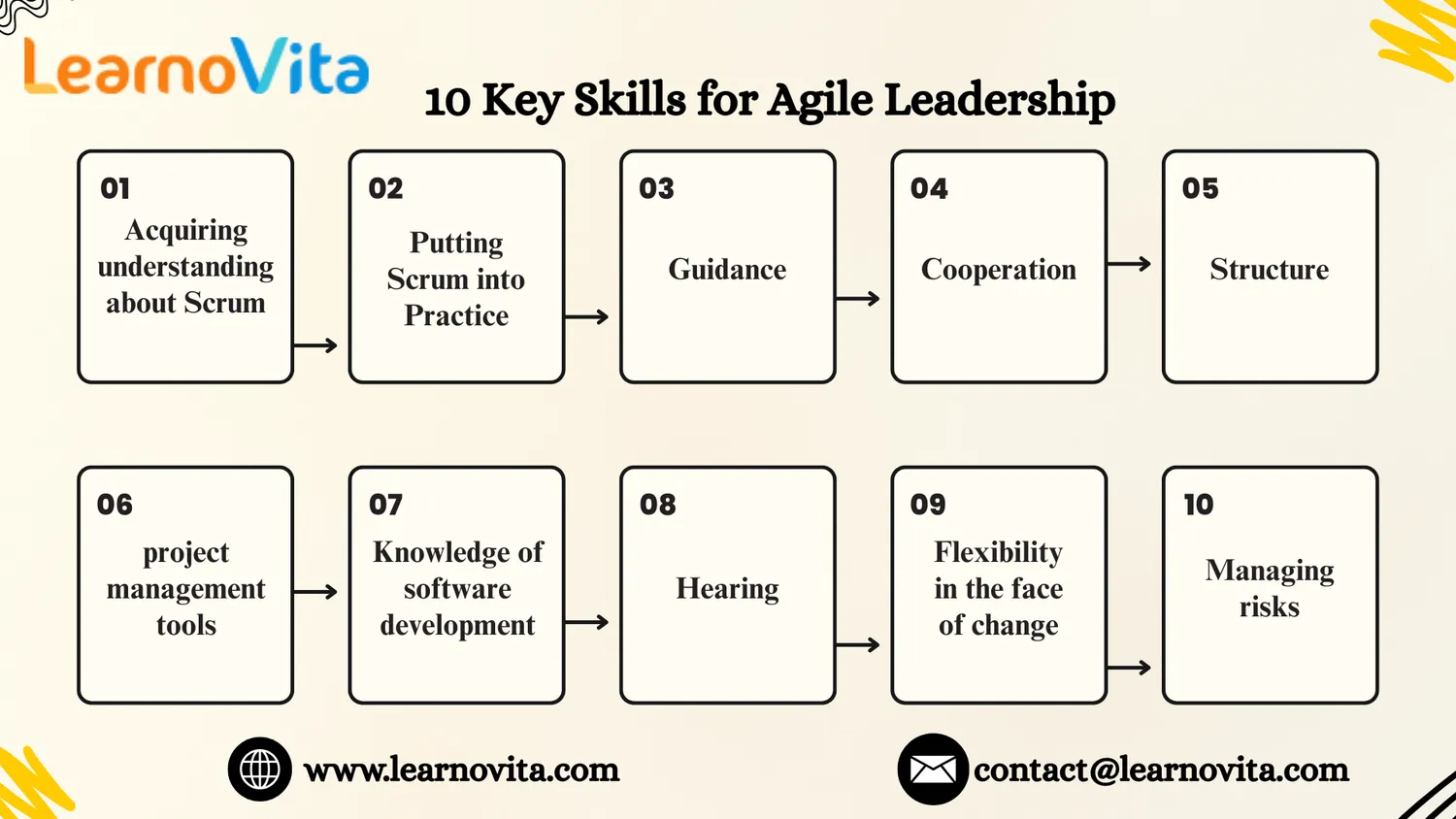
6. Mastery of Agile Project Management Tools
Proficiency with platforms like Jira, Trello, and Asana is crucial for managing tasks, tracking sprint progress, and maintaining project visibility. Scrum Masters should know how to use these tools to keep teams aligned and projects running smoothly.
7. Basic Technical Knowledge of Software Development
Although coding isn’t required, understanding how software is developed helps Scrum Masters collaborate better with technical teams. Familiarity with development workflows, tools, and terminology leads to clearer communication and more informed decision-making.
8. Active and Empathetic Listening
Listening is a key leadership trait. Scrum Masters must be fully present during ceremonies like retrospectives and planning sessions, actively listening for concerns, identifying potential issues, and guiding the team to resolution.
9. Flexibility and Agile Thinking
Scrum is meant to be adaptable. Exceptional Scrum Masters know when to adjust frameworks, processes, or tools to suit the unique needs of their teams while still honoring core Agile values.
10. Risk Identification and Management
Scrum Masters must be proactive in recognizing and communicating project risks from technical setbacks to resource limitations. Addressing these risks early allows for timely mitigation and protects the quality and flow of deliverables.
Conclusion
Success as a Scrum Master requires more than an understanding of Agile methodologies; it demands leadership, emotional intelligence, adaptability, and a continuous drive to improve. By building these 10 critical skills, you’ll be equipped to lead high-performing teams, streamline delivery, and drive long-term Agile transformation. Whether you're launching your Scrum career or stepping into a more senior role, these capabilities are essential to your growth and impact.