When it comes to reliable pipeline solutions for water, oil, gas, and industrial applications, cement coated pipes stand out as an ideal choice. These pipes, known for their durability and corrosion resistance, are gaining popularity across multiple industries. In this blog, we explore the role of cement coated pipe manufacturers, their process, applications, and how to choose the best supplier for your next project.
What Are Cement Coated Pipes?
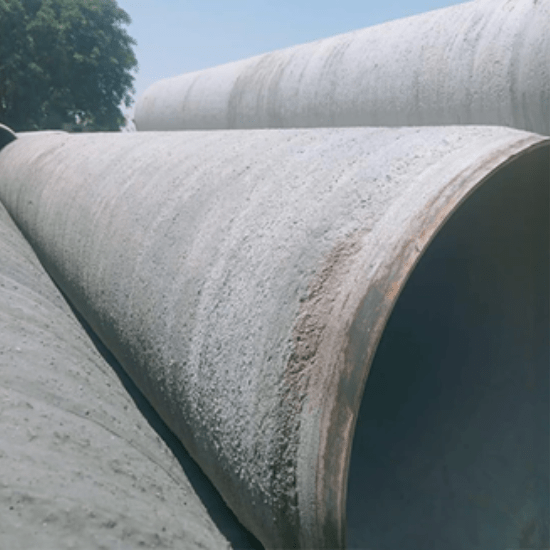
Cement coated pipes are steel or ductile iron pipes that are externally and/or internally lined with a layer of cement mortar. This protective lining enhances the pipe’s resistance to corrosion, abrasion, and chemical attack. Cement coating also improves the hydraulic efficiency of the pipe by providing a smooth surface, which reduces frictional losses in fluid flow.
Why Choose Cement Coated Pipes?
Here are a few compelling reasons industries prefer cement coated pipes:
- Corrosion Protection: Cement lining provides excellent protection against corrosion, especially in underground and submerged environments.
- Extended Service Life: Properly manufactured and installed cement coated pipes can last several decades with minimal maintenance.
- Cost-Effective: Despite a higher initial cost, these pipes offer long-term savings due to reduced repair and replacement needs.
- Eco-Friendly: Cement is a sustainable material, making these pipes a more environmentally conscious option.
Applications of Cement Coated Pipes
Cement coated pipes are widely used across diverse sectors such as:
- Water Supply and Distribution
- Sewage and Wastewater Systems
- Oil and Gas Pipelines
- Industrial Slurry Transport
- Marine and Offshore Projects
Whether it's transporting potable water or handling corrosive industrial waste, these pipes ensure safe and efficient flow.
Key Features of Top Cement Coated Pipe Manufacturers
Not all manufacturers are created equal. The best cement coated pipe manufacturers offer:
- Custom Coating Thickness: Tailored solutions based on project specifications.
- Advanced Coating Technology: Use of mechanized cement mortar lining machines for uniform application.
- Quality Control: In-house testing for compressive strength, adhesion, and permeability.
- Certifications: ISO, API, BIS, or equivalent certifications proving compliance with global standards.
- Timely Delivery: Robust logistics and supply chain to ensure timely dispatch of large orders.
How Cement Coated Pipes Are Manufactured
The manufacturing process involves several crucial steps:
- Surface Preparation: Cleaning and sandblasting the internal/external surface of the pipe.
- Cement Mortar Mixing: Blending cement with sand and water to the required consistency.
- Application: The mixture is spun or sprayed onto the pipe’s surface for a smooth and even coating.
- Curing: Pipes are air or water cured to develop proper strength.
- Inspection & Testing: Each batch undergoes stringent quality checks before dispatch.
Choosing the Right Cement Coated Pipe Manufacturer
When selecting a supplier, consider the following:
- Experience: Choose a manufacturer with proven experience in your sector.
- Production Capacity: Ensure they can handle your volume and timelines.
- Customization: Ability to coat different pipe diameters, lengths, and grades.
- Technical Support: On-site support and installation guidance.
Final Thoughts
As infrastructure projects grow in scale and complexity, the demand for durable, low-maintenance pipeline systems continues to rise. Cement coated pipe manufacturers play a vital role in delivering high-performance solutions for both private and public sector needs. Investing in quality cement coated pipes today can ensure seamless operation and savings for years to come.
Looking for a Trusted Cement Coated Pipe Manufacturer?
Partner with a company that understands the importance of quality, reliability, and innovation. Choose a manufacturer that offers end-to-end solutions tailored to your specific industry and project requirements.