Product planning is undergoing a major transformation as businesses increasingly rely on artificial intelligence to guide strategic decisions and improve development processes. Traditional roadmaps were often created using spreadsheets, historical trends, and assumptions that could quickly become outdated in fast-changing markets. Today, organizations generate massive amounts of data from customer feedback, sales performance, online behavior, and market research, making manual planning more difficult and time-consuming. AI-driven roadmaps help companies process this information efficiently and turn it into meaningful insights for smarter decision-making. These intelligent systems can identify trends, predict customer demands, and recommend priorities with greater accuracy than traditional methods. As competition grows across industries, businesses are seeking more adaptive and data-driven approaches to product management. AI is enabling teams to react faster to changes while improving collaboration and reducing planning errors. The future of product development is therefore becoming more automated, predictive, and customer-focused through the integration of AI technologies.
Understanding AI-Driven Product Roadmaps
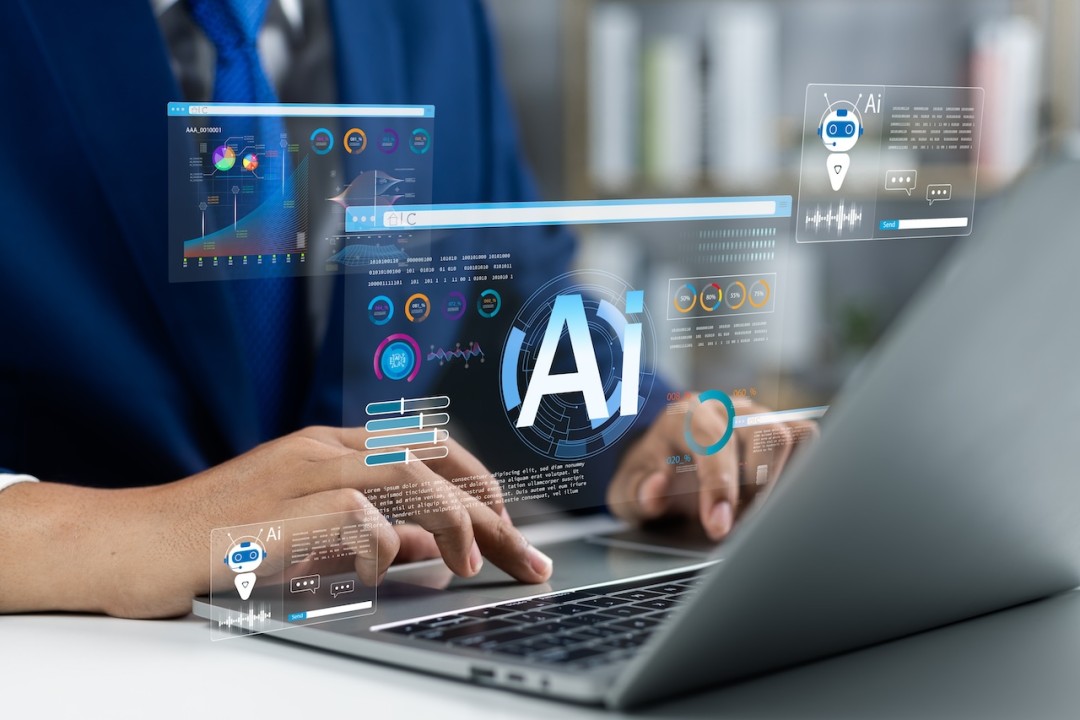
AI-driven roadmaps are strategic planning systems powered by machine learning and predictive analytics. Unlike conventional planning methods that rely heavily on human assumptions, these systems continuously analyze data from multiple sources to support decision-making. They can evaluate customer preferences, market behavior, feature performance, and operational trends in real time.
This dynamic approach allows organizations to update priorities more efficiently as market conditions change. Product managers no longer need to rely only on periodic reviews because AI systems can instantly highlight emerging opportunities or risks. By transforming raw data into actionable recommendations, AI-driven roadmaps create more flexible and accurate product strategies.
The Role of Predictive Analytics
Predictive analytics is one of the most important features of AI-powered planning. AI systems study historical and current data to forecast future outcomes, helping businesses understand which products or features are likely to succeed. This reduces uncertainty and allows organizations to make better investment decisions.
For example, AI can identify patterns in customer feedback that suggest rising demand for a specific feature. It can also detect declining engagement before it affects revenue or customer satisfaction. These insights help teams prioritize tasks that offer the greatest long-term value. Predictive analytics also supports better scheduling by estimating project timelines, risks, and resource requirements more accurately.

Enhancing Team Collaboration
Modern product planning involves multiple departments, including development, marketing, design, customer support, and sales. Coordinating these teams can be difficult when communication gaps or conflicting priorities exist. AI-driven roadmap systems improve collaboration by centralizing information and providing real-time visibility into project progress.
Automated updates and shared dashboards allow all stakeholders to access the same information instantly. Teams can track milestones, monitor performance metrics, and adjust priorities without relying on lengthy manual reporting processes. This transparency improves alignment across departments and reduces misunderstandings that often delay projects.
Automating Repetitive Processes
AI is also transforming product planning through automation. Many administrative tasks, such as organizing feedback, prioritizing feature requests, and generating reports, can now be handled automatically. This reduces the workload on product managers and allows them to focus more on strategy and innovation. Visit here to know more - https://reverbico.com/blog/generating-product-roadmaps-with-ai-a-brief-guide/
Automation improves efficiency by eliminating repetitive processes that consume valuable time. AI systems can quickly sort customer feedback into categories, identify recurring issues, and recommend actions based on data patterns. Faster processing enables businesses to respond to customer needs more effectively and maintain a competitive advantage in dynamic markets.

Challenges in AI-Driven Planning
Despite its benefits, AI-driven product planning comes with certain challenges. The quality of AI recommendations depends on the accuracy and diversity of the data being analyzed. Incomplete or biased datasets can lead to incorrect predictions and poor strategic decisions. Organizations must therefore invest in proper data management and validation practices.
Another concern is overdependence on automation. While AI can provide valuable insights, human judgment remains essential for understanding emotional, ethical, and creative aspects of product development. Businesses should use AI as a support tool rather than a complete replacement for strategic leadership and decision-making.
The Future of Intelligent Product Development
As AI technologies continue to evolve, product roadmaps will become even more adaptive and personalized. Businesses will increasingly use real-time insights to adjust strategies quickly and meet changing customer expectations. AI-driven planning will also support faster innovation cycles by helping teams identify opportunities earlier and reduce operational inefficiencies.
In the future, organizations that successfully combine AI capabilities with human expertise will gain stronger competitive advantages. Intelligent product planning will not only improve efficiency but also create more customer-focused solutions that align closely with market demands and long-term business goals.