In a world flooded with information, the way we present and consume data matters significantly. Two prevalent methods of conveying information are infographics and traditional text-based content. In this article, we'll explore the effectiveness of infographics versus traditional text in sharing information and communicating messages.
Understanding Infographics
Defining Infographics
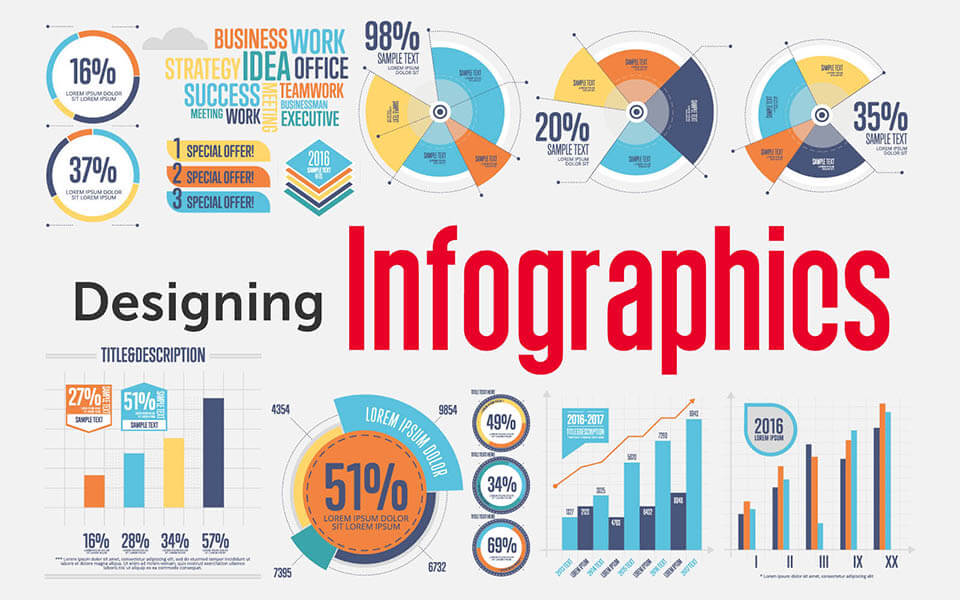
Infographics are visual representations of data, information, or knowledge. They combine text, graphics, and imagery to present complex information in a simplified and engaging manner. Infographics are designed to convey messages quickly and effectively.
Key Characteristics of Infographics
- Visual Appeal: Infographics are visually attractive, making them more likely to capture the audience's attention.
- Simplified Information: They distill complex data into easy-to-understand, bite-sized pieces.
- Engagement: Infographics often encourage interaction, as readers are drawn to explore the visuals.
The Advantages of Infographics
Visual Engagement
1. Enhanced Comprehension: Infographics use visual elements like charts, graphs, and icons to simplify complex concepts, making them easier to grasp.
2. Increased Retention: Visual content tends to be more memorable than text alone, leading to better information retention.
Accessibility and Shareability
1. Easy Sharing: Infographics are highly shareable on social media platforms, helping information reach a wider audience.
2. Mobile-Friendly: With the rise of mobile devices, infographics are well-suited for small screens, ensuring accessibility on various devices.
Storytelling
1. Narrative Flow: Infographics allow for storytelling by guiding readers through a visual narrative, leading to a more immersive experience.
2. Emotional Impact: Well-designed infographics can evoke emotions and create a connection with the audience.
Traditional Text-Based Content
Defining Traditional Text-Based Content
Traditional text-based content includes articles, reports, essays, and documents that rely primarily on written language to convey information. It may include occasional images or charts but predominantly uses text.
Key Characteristics of Text-Based Content
- In-Depth Information: Text allows for detailed explanations and extensive coverage of topics.
- Formality: Text-based content is often used for formal communication and academic purposes.
- Search Engine Optimization: Text is crucial for SEO and search engine discoverability.
The Advantages of Traditional Text
Comprehensive Information
1. In-Depth Analysis: Text-based content is ideal for providing detailed information and comprehensive analysis on a subject.
2. Formal Communication: It is well-suited for formal reports, academic papers, and legal documents that require precision and formality.
Versatility
1. Adaptability: Text-based content can be adapted to various formats, such as e-books, audiobooks, and printed materials.
2. Accessibility: Text content is accessible to individuals with visual impairments using screen readers.
Choosing the Right Format
Consider Your Audience
When deciding between infographics and traditional text, consider your target audience's preferences and needs. Different audiences may respond better to one format than the other.
Content Complexity
The complexity of your content is a crucial factor. If you're conveying straightforward information or want to grab attention quickly, infographics may be the better choice. For in-depth analysis or formal documentation, traditional text is often more appropriate.
Combining Both
In many cases, a combination of infographics and traditional text can be the most effective approach. Use infographics to capture attention convey key points, and supplement them with text for deeper explanations and context.
Conclusion
The choice between infographics and traditional text ultimately depends on your communication goals, the complexity of your content, and your target audience's preferences. Both formats have their strengths and can be used effectively to share information, engage audiences, and convey messages in a compelling way. Understanding when and how to utilize each format is key to effective information sharing in the digital age.