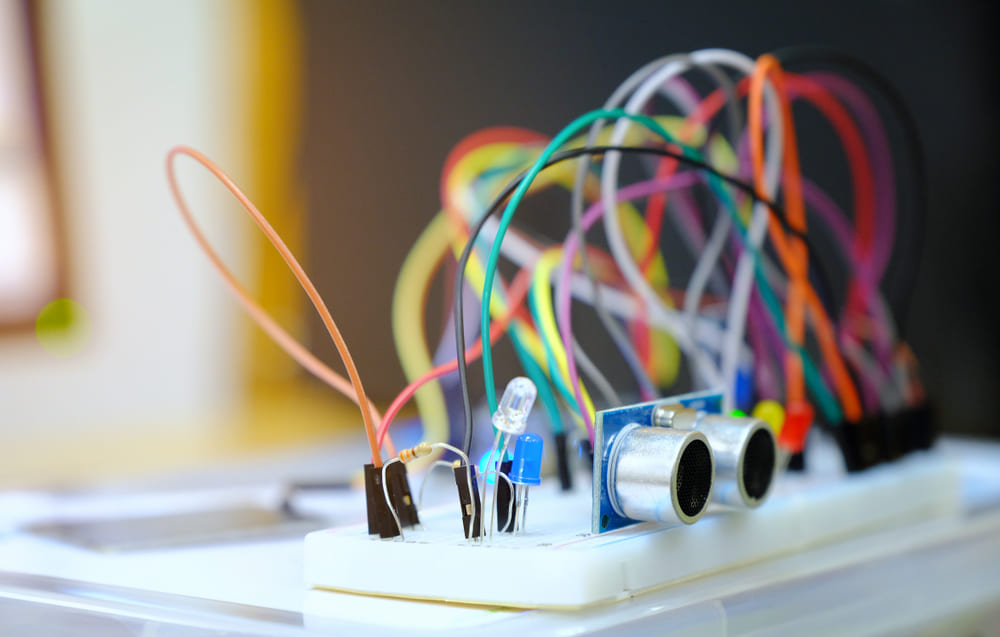
In today's digital age, the Internet of Things (IoT) has emerged as a game-changer, and at the heart of this transformation are IoT sensors. These unassuming devices are making a significant impact across various industries and reshaping the way businesses operate. In this article, we will explore how IoT sensors are revolutionizing business operations and decision-making.
The Power of IoT Sensors
Before we delve into their applications, it's essential to understand the basics of IoT sensors and how they function.
A Closer Look at IoT Sensors
IoT sensors are compact electronic devices designed to collect data from the physical world. They are capable of measuring various parameters such as temperature, humidity, motion, light, or the presence of specific substances. What sets them apart is their ability to transmit this data via the internet, enabling real-time monitoring and analysis.
The IoT Sensor Workflow
- Data Collection: IoT sensors gather data through various means, depending on their purpose, whether it's temperature sensors measuring heat levels or motion sensors detecting movement.
- Data Processing: Collected data is then processed within the sensor itself or transmitted to a central system for analysis.
- Data Transmission: IoT sensors utilize wireless communication technologies like Wi-Fi, Bluetooth, or cellular networks to send the data to a central hub or cloud server.
- Data Analysis: The data is analyzed to extract valuable insights, and predefined rules or algorithms may trigger actions.
Revolutionizing Business Operations
IoT sensors are having a profound impact on business operations, ushering in significant improvements in various aspects of their functions.
Enhanced Efficiency
Streamlined Supply Chain Management
IoT sensors enable real-time tracking of goods and shipments, helping businesses optimize routes, reduce delays, and prevent losses.
Efficient Inventory Management
Sensors can monitor stock levels and automatically reorder items when supplies run low, reducing manual labor and preventing stockouts.
Smart Energy Management
Smart sensors in buildings and factories can adjust heating, cooling, and lighting systems based on occupancy and environmental conditions, leading to energy savings.
Predictive Maintenance
IoT sensors are changing the game for maintenance operations by providing predictive insights into equipment health.
Asset Tracking
Sensors can monitor the condition of machinery and equipment, predicting when maintenance is needed to prevent breakdowns.
Fleet Management
For businesses with a fleet of vehicles, sensors can track engine performance and notify when maintenance is required, reducing downtime and repair costs.
Informed Decision-Making
Data-driven decision-making is becoming the norm in business, thanks to IoT sensors.
Real-Time Analytics
Businesses can access real-time data on operations, allowing them to make informed decisions promptly.
Data-Backed Strategies
IoT sensors provide the insights needed to develop data-backed strategies and optimize processes.
Quality Control
In manufacturing, sensors can monitor product quality, automatically rejecting defective items, and ensuring consistent output.
IoT Sensors in Different Industries
IoT sensors are making waves across various industries, introducing new opportunities and efficiencies.
Healthcare
In healthcare, IoT sensors are used for monitoring patient health, tracking the location of medical equipment, and ensuring the proper storage of medication and vaccines.
Agriculture
In agriculture, sensors provide data on soil moisture, temperature, and crop health. This information enables farmers to make informed decisions about irrigation and planting.
Retail
In the retail sector, IoT sensors are employed for inventory management, tracking consumer behavior in stores, and enhancing the shopping experience.
Transportation
The transportation industry utilizes IoT sensors to track vehicle health, monitor driver behavior, and optimize route planning for logistics.
Challenges and Considerations
While IoT sensors offer significant benefits, they also come with challenges and considerations that businesses must address.
Data Security
As data is continuously collected and transmitted, it's crucial to ensure the security of sensitive information.
Scalability
Businesses must plan for the scalability of their IoT infrastructure as they expand operations and incorporate more sensors.
Compatibility
Compatibility between various sensor devices and systems is essential for seamless operation.
The Future of IoT Sensors
The future holds even more promise for IoT sensors as technology continues to advance.
Edge Computing
Edge computing, where data is processed at the source (i.e., the sensor), is set to become more prominent, reducing latency and bandwidth requirements.
AI Integration
Artificial intelligence (AI) will play a more significant role in data analysis and decision-making, making IoT systems even smarter.
Sustainability
IoT sensors can contribute to sustainability efforts by optimizing resource use and reducing waste.
Conclusion
IoT sensors are ushering in a new era of connectivity and data-driven decision-making for businesses across industries. They are enhancing efficiency, enabling predictive maintenance, and transforming the way decisions are made. With careful consideration of data security and scalability, businesses can harness the full potential of IoT sensors to drive innovation and stay competitive in an increasingly interconnected world. As technology continues to advance, the role of IoT sensors will only become more significant in shaping the future of business operations.