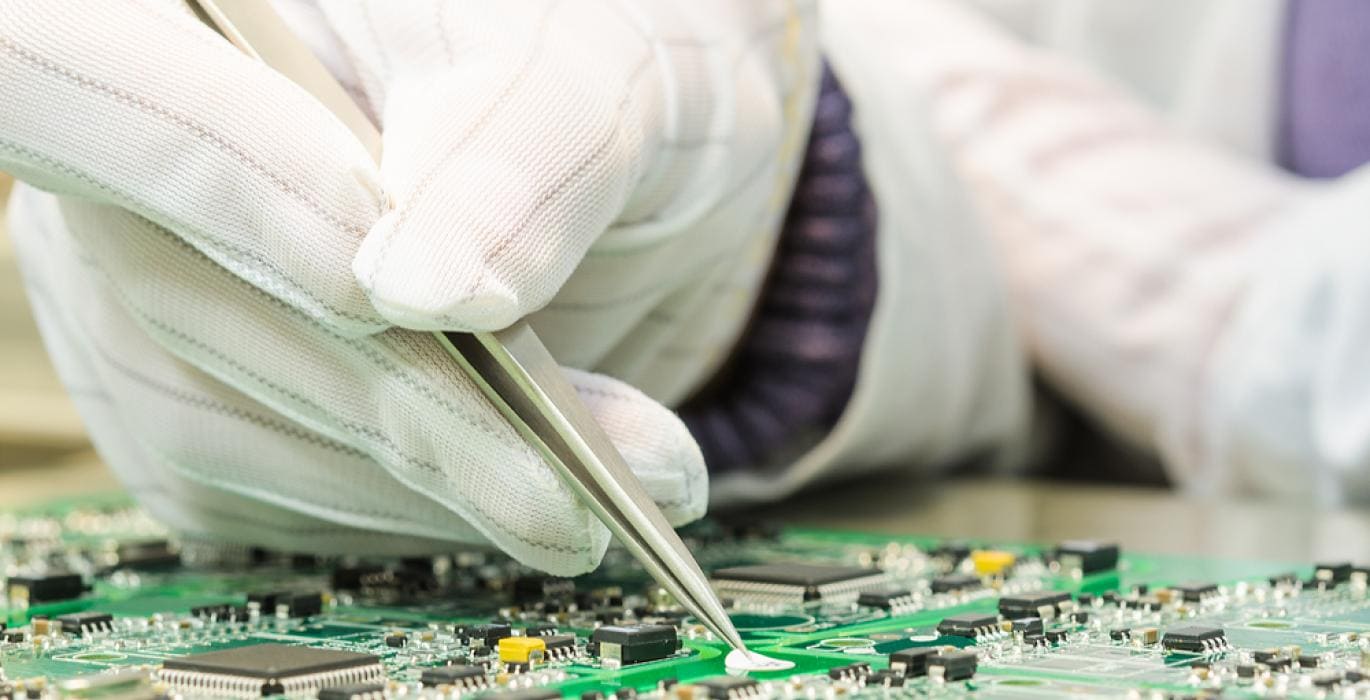
The semiconductor industry plays a pivotal role in shaping the modern world as we know it. From smartphones and laptops to advanced medical devices and self-driving cars, semiconductors are the building blocks of the digital age. In this article, we will explore the global impact of the semiconductor industry, examining its influence on various sectors and the economy as a whole.
The Foundation of Modern Technology
1. What are Semiconductors?
Semiconductors are materials that have electrical conductivity between that of conductors (such as metals) and insulators (such as rubber). They are typically made of silicon, germanium, or other elements and are used to create electronic devices. The unique properties of semiconductors allow for the control and manipulation of electrical currents, making them essential components in the production of integrated circuits (ICs) and microchips.
2. The Role of Semiconductors in Electronics
Semiconductors are the heart and soul of modern electronics. They are used in a wide range of devices, including smartphones, computers, televisions, and gaming consoles. Without semiconductors, these devices would not be able to perform their functions. The miniaturization of semiconductors has led to the development of smaller, faster, and more powerful electronic devices, revolutionizing industries and transforming the way we live and work.
Impact on Industries
1. Consumer Electronics
The consumer electronics industry heavily relies on semiconductors to power their devices. From the processors that enable high-speed computing to the memory chips that store vast amounts of data, semiconductors are at the core of smartphones, tablets, smartwatches, and other gadgets. The continuous advancements in semiconductor technology have led to the creation of more energy-efficient and feature-rich consumer electronics, enhancing the overall user experience.
2. Automotive
Semiconductors have become increasingly important in the automotive industry. Modern vehicles are equipped with a wide array of electronic systems, including engine control units, infotainment systems, advanced driver-assistance systems (ADAS), and autonomous driving technologies. Semiconductors enable the integration of these systems, improving vehicle performance, safety, and efficiency. As the demand for electric vehicles and autonomous driving continues to rise, the semiconductor industry will play a crucial role in shaping the future of transportation.
3. Healthcare
In the healthcare sector, semiconductors have revolutionized medical devices and diagnostics. From pacemakers and insulin pumps to imaging equipment and DNA sequencers, semiconductors enable precise measurements, data processing, and real-time monitoring. The development of wearable health devices and telemedicine solutions has further expanded the role of semiconductors in improving healthcare outcomes and patient care.
4. Renewable Energy
The semiconductor industry has also made significant contributions to the renewable energy sector. Solar panels, which convert sunlight into electricity, rely on semiconductors to capture and harness energy efficiently. Semiconductors are used in photovoltaic cells to create an electric field that separates electrons and generates a flow of current. As the world shifts towards sustainable energy sources, the demand for semiconductors in the renewable energy sector is expected to grow.
Economic Impact
1. Job Creation
The semiconductor industry is a major driver of job creation worldwide. From research and development to manufacturing and distribution, the industry provides employment opportunities for millions of people. Moreover, the growth of the semiconductor industry has a multiplier effect on other sectors, creating indirect jobs in supply chains, logistics, and support services.
2. Economic Growth
The semiconductor industry has a significant impact on economic growth. It drives innovation, productivity, and competitiveness in other industries, leading to increased economic output. The development of semiconductor clusters or "silicon valleys" fosters collaboration, knowledge sharing, and entrepreneurship, attracting investments and contributing to regional economic development.
3. Trade and Exports
Semiconductors are one of the most traded commodities globally. Countries with a strong semiconductor industry often have a trade surplus, exporting semiconductors and related products to meet global demand. The semiconductor industry contributes to a country's export revenue, strengthens its balance of trade, and enhances its competitiveness in the global market.
4. Research and Development
The semiconductor industry invests heavily in research and development (R&D) to drive innovation and technological advancements. R&D activities in the industry lead to the discovery of new materials, manufacturing processes, and design techniques, pushing the boundaries of what is possible in electronics. These advancements not only benefit the semiconductor industry but also have spillover effects on other sectors, fostering innovation and economic growth.
Future Trends and Challenges
1. Moore's Law and Beyond
Moore's Law, which states that the number of transistors on a microchip doubles every two years, has been the driving force behind the exponential growth of the semiconductor industry. However, as transistors continue to shrink, reaching physical limitations, new technologies and approaches are needed to sustain this growth. Innovations such as 3D stacking, quantum computing, and neuromorphic engineering are being explored to overcome these challenges and pave the way for the future of semiconductors.
2. Supply Chain Vulnerabilities
The global semiconductor industry relies heavily on complex supply chains that span multiple countries. Recent events, such as the COVID-19 pandemic and geopolitical tensions, have highlighted the vulnerabilities of these supply chains. Disruptions in the supply of raw materials, components, and equipment can have a significant impact on the production and availability of semiconductors. Strengthening supply chain resilience and diversifying sourcing strategies are crucial to mitigate these risks.
3. Environmental Sustainability
As the demand for semiconductors continues to grow, so does the need for sustainable manufacturing practices. The semiconductor industry is energy-intensive and generates a significant amount of waste. Embracing green technologies, optimizing energy consumption, and implementing circular economy principles are essential for reducing the environmental impact of semiconductor production. Collaboration between industry stakeholders, policymakers, and environmental organizations is necessary to drive sustainability initiatives.
4. Ethical Considerations
The widespread use of semiconductors in various applications raises ethical considerations. Privacy concerns, data security, and the ethical implications of artificial intelligence are some of the challenges that need to be addressed. The semiconductor industry must prioritize ethical practices, transparency, and accountability to ensure that the technologies powered by semiconductors are used responsibly and for the benefit of society.
Conclusion
The semiconductor industry is a driving force behind technological innovation and economic growth. Its impact spans across industries, from consumer electronics and automotive to healthcare and renewable energy. The continuous advancements in semiconductor technology have transformed the way we live, work, and communicate. However, as the industry faces new challenges and opportunities, collaboration, sustainability, and ethical considerations will be crucial in shaping its future. By understanding the global impact of the semiconductor industry, we can appreciate its significance and work towards a more prosperous and sustainable future.
References:
- The semiconductor decade: A trillion-dollar industry by McKinsey
- Chip shortage: how the semiconductor industry is dealing with this worldwide problem by Aaron Aboagye, Ondrej Burkacky, Abhijit Mahindroo, and Bill Wiseman
- The semiconductor chip crisis: How we got here by Industrial Analytics
- A Global Semiconductor Shortage by World101
- The Geopolitics of semiconductors by KPMG Australia