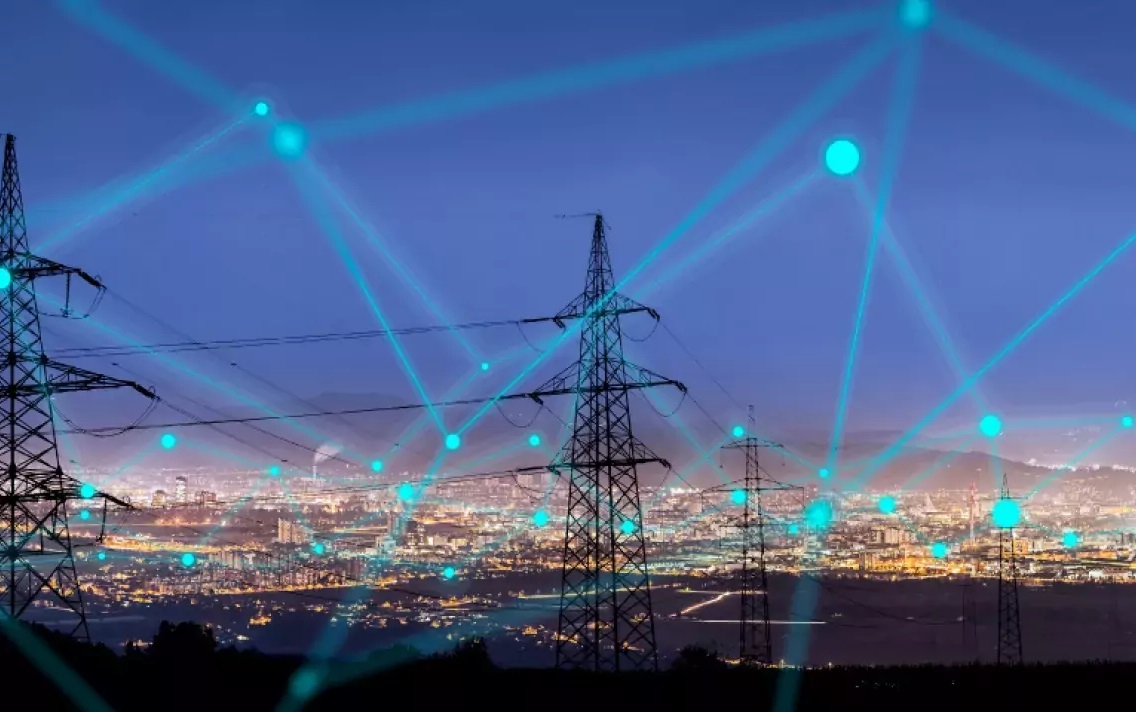
In today's interconnected world, critical infrastructure plays a vital role in supporting the functioning of societies and economies. From transportation systems to energy grids, these infrastructures form the backbone on which the modern world relies. However, as technology advances and cyber threats become increasingly sophisticated, it is crucial to prioritize the protection of critical infrastructure. In this article, we will explore the importance of critical infrastructure protection and the strategies necessary to secure the backbone of our societies.
The Significance of Critical Infrastructure
Critical infrastructure refers to the physical and virtual systems and assets that are essential for the functioning of a society and its economy. This includes sectors such as energy, transportation, communication, water, healthcare, and more. The disruption or compromise of critical infrastructure can have severe consequences, including economic loss, public safety issues, and a significant impact on the daily lives of citizens. Therefore, safeguarding the integrity and security of these infrastructures is of utmost importance.
Identifying Vulnerabilities
To protect critical infrastructure, it is crucial to first identify vulnerabilities and potential risks. As technology advances and systems become more complex, the attack surface for cyber threats increases. This includes potential vulnerabilities in hardware, software, networks, and even human factors. Conducting comprehensive risk assessments and vulnerability analyses allows for a better understanding of potential weak points and aids in developing effective protection strategies.
Cybersecurity Measures
One of the primary concerns in securing critical infrastructure is the protection against cyber threats. Cybersecurity measures are essential to prevent unauthorized access, data breaches, and disruptive attacks. These measures include:
1. Network Security
Implementing robust network security protocols, such as firewalls, intrusion detection systems, and encryption, helps protect critical infrastructure from external threats. Continuous monitoring and regular updates are also necessary to stay ahead of emerging vulnerabilities.
2. Access Control
Controlling access to critical infrastructure systems and resources is vital to prevent unauthorized individuals from compromising the integrity of these assets. Strong authentication mechanisms, such as multi-factor authentication and biometrics, should be implemented to ensure only authorized personnel have access.
3. Incident Response and Recovery
Having a well-defined incident response plan in place helps mitigate the impact of any potential security incidents. This includes establishing protocols for detecting, containing, and responding to cyber threats. Additionally, developing robust disaster recovery plans ensures a swift recovery and minimizes downtime in the event of an attack.
4. Employee Training and Awareness
error and social engineering attacks pose significant threats to critical infrastructure. Providing regular training and awareness programs to employees helps educate them about potential risks and best practices for cybersecurity. This empowers employees to be active participants in protecting critical infrastructure.
Physical Security Measures
While cybersecurity measures are crucial, physical security also plays a vital role in protecting critical infrastructure. Physical security measures include:
1. Perimeter Protection
Implementing physical barriers, such as fences, gates, and surveillance systems, helps control access to critical infrastructure facilities. Intrusion detection systems and video surveillance technologies aid in detecting and deterring unauthorized access attempts.
2. Security Personnel
Deploying trained security personnel at critical infrastructure sites adds an additional layer of protection. Their presence acts as a deterrent and allows for swift response in the event of an incident.
3. Environmental Monitoring
Monitoring environmental factors, such as temperature, humidity, and air quality, is essential to maintain the integrity of critical infrastructure components. Early detection of potential threats, such as fires or leaks, can prevent catastrophic damage.
Public-Private Partnerships
Protecting critical infrastructure requires collaboration between the public and private sectors. Public-private partnerships enhance information sharing, coordination, and resource allocation, ensuring a more comprehensive approach to security. Governments and private entities must work together to develop and implement robust security measures, share threat intelligence, and invest in research and development to stay ahead of emerging threats.
Conclusion
In conclusion, securing the backbone of critical infrastructure is of utmost importance in today's interconnected world. Protecting these essential systems and assets requires a multi-faceted approach that combines cybersecurity measures, physical security measures, and collaboration between the public and private sectors.
By identifying vulnerabilities, implementing robust security protocols, and fostering public-private partnerships, we can ensure the vitality of critical infrastructure and safeguard the functioning of societies and economies. Prioritizing critical infrastructure protection is not only crucial for the present but also for the future resilience of our modern world.
References:
- Securing Systemically Important Critical Infrastructure by Alexander Klimburg, Akshay Joshi, Filipe Beato
- Six Key Guidelines To Protect Critical Infrastructure From Cyber Threats by Dr. Oren Eytan
- Protecting the Backbone of Society with Critical Infrastructure Protection (CIP) by Extrapolate
- What’s Ahead for Cyber-Physical Systems in Critical Infrastructure by Gartner
- Boosting Cyber Resilience in Critical Infrastructure Organizations by Claroty