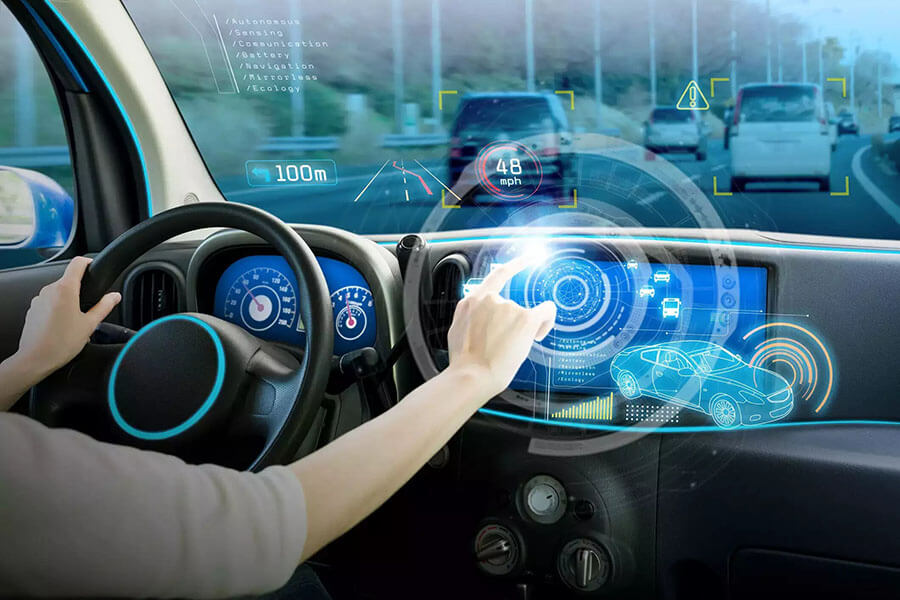
In the era of Industry 4.0, the fusion of artificial intelligence (AI) and robotics has paved the way for a new wave of automation. The integration of AI-driven automation with robotics is revolutionizing industries, redefining efficiency, and transforming the way businesses operate. In this article, we'll explore the pioneering role of AI and robotics in AI-driven automation, highlighting the significant impact it has on various sectors.
The Synergy of AI and Robotics
Before delving into the applications and implications, it's important to understand how AI and robotics work together to drive automation.
Understanding AI-Driven Automation
AI-driven automation refers to the use of artificial intelligence to automate processes, tasks, and decision-making. It encompasses a wide range of technologies, from machine learning to natural language processing. AI-driven automation is a game-changer as it allows machines to learn from data, adapt to new information, and perform tasks without explicit programming.
The Role of Robotics
Robotics involves the design, construction, and operation of robots. Robots are programmable machines that can perform tasks autonomously. When combined with AI, robots gain the ability to learn, make decisions, and interact with their environment more intelligently.
How AI and Robotics Collaborate
AI and robotics converge when AI algorithms and technologies are integrated into robots, enabling them to analyze data, make informed decisions, and execute tasks more effectively. This collaboration enhances the capabilities of robots, making them more versatile and adaptive.
Applications of AI-Driven Automation with Robotics
The applications of AI-driven automation in conjunction with robotics are vast and diverse, spanning across multiple industries.
Manufacturing and Industry
In manufacturing, robots equipped with AI-driven automation can optimize production lines, perform quality control, and adapt to changing demands. These robots can work alongside humans, handling repetitive tasks and freeing up human workers for more complex responsibilities.
Healthcare
Robotic surgery is one of the most prominent examples of AI-driven automation in healthcare. Robots, guided by AI, assist surgeons with precision and accuracy in minimally invasive procedures. Additionally, AI-powered robots can be used for tasks like medication delivery, patient monitoring, and even disinfection in hospitals.
Agriculture
In agriculture, AI-driven automation with robots can aid in precision farming. These robots can monitor crops, assess soil conditions, and execute precise planting and harvesting tasks. The integration of AI ensures that actions are based on data and insights, contributing to increased yields and sustainability.
Logistics and Warehousing
AI-driven automation with robotics is reshaping logistics and warehousing. Autonomous robots can handle order picking, packing, and inventory management in warehouses. Drones equipped with AI are also used for aerial surveillance and deliveries in logistics operations.
Service and Hospitality
The service industry is adopting AI-driven automation with robots for tasks like cleaning, customer service, and even food preparation. Robots can provide efficient and contactless services in hotels, restaurants, and other hospitality settings.
Benefits of AI-Driven Automation with Robotics
The integration of AI-driven automation with robotics offers several advantages across different domains.
Enhanced Efficiency
One of the primary benefits is enhanced efficiency. AI-driven robots can work continuously without fatigue, perform repetitive tasks with precision, and adapt to changing conditions, resulting in increased productivity and reduced errors.
Improved Safety
In industries where safety is a concern, robots equipped with AI can perform hazardous tasks, such as inspections in dangerous environments, without endangering human lives. This improves safety and reduces workplace accidents.
Cost Savings
Over time, the use of AI-driven automation with robotics can lead to significant cost savings. Businesses can reduce labor costs, minimize errors, and optimize processes, contributing to a more cost-effective operation.
Data-Driven Insights
AI-driven automation generates vast amounts of data that can be analyzed for insights and decision-making. This data-driven approach can lead to better-informed strategies and improved outcomes.
Challenges and Considerations
While the integration of AI and robotics in AI-driven automation holds promise, there are challenges and considerations to address.
Cost of Implementation
The initial investment in AI-driven robotic systems can be substantial. Businesses need to evaluate the long-term benefits and ROI to justify the expense.
Maintenance and Technical Expertise
Maintaining AI-driven robots and ensuring their optimal performance require technical expertise. Businesses should have plans in place for regular maintenance and support.
Ethical and Regulatory Concerns
AI-driven automation with robotics raises ethical questions, especially in healthcare and service industries. Regulations and standards for the use of these technologies are still evolving.
The Future of AI-Driven Automation with Robotics
The future of AI-driven automation with robotics is promising and is likely to bring several developments.
Autonomous Vehicles
AI-driven autonomous vehicles, including self-driving cars and drones, are set to revolutionize transportation and delivery services.
AI-Powered Assistants
AI-driven robots that serve as personal assistants in homes and workplaces are expected to become more common, offering help with various tasks.
Enhanced Collaboration
Robots and AI systems will become more collaborative, working seamlessly with humans in shared spaces and industries.
Conclusion
AI and robotics, in collaboration, are at the forefront of AI-driven automation, bringing innovative solutions to various industries. From manufacturing to healthcare and logistics, these technologies are enhancing efficiency, improving safety, and providing data-driven insights. While challenges and considerations exist, the potential benefits are substantial. As technology continues to advance, the synergy of AI and robotics will continue to pioneer AI-driven automation, reshaping the way businesses operate and driving them toward a more automated and intelligent future.