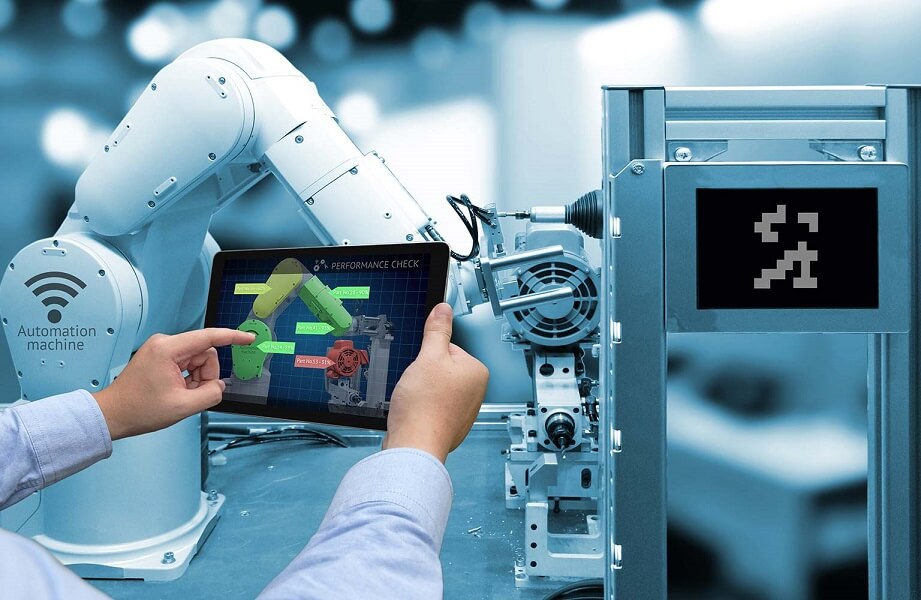
The fourth industrial revolution, often referred to as Industry 4.0, has ushered in a new era of manufacturing characterized by the integration of digital technologies, automation, and data-driven processes. The transformation into a smart factory is a complex journey that requires careful planning and execution. In this guide, we'll provide insights and steps on how to successfully transition your manufacturing facility into a smart factory.
Understanding Industry 4.0 and Smart Factories
What Is Industry 4.0?
Industry 4.0 represents the convergence of physical and digital technologies, including the Internet of Things (IoT), artificial intelligence (AI), big data analytics, and automation, to create highly connected and intelligent manufacturing environments.
The Smart Factory Concept
A smart factory leverages Industry 4.0 technologies to optimize manufacturing processes, enhance productivity, and improve decision-making by collecting and analyzing data from various sources.
Assessing Your Current State
Conducting a Current State Analysis
Before embarking on the transition to a smart factory, it's essential to assess your current manufacturing processes, technologies, and capabilities. Identify areas where digitalization and automation can add value.
Setting Clear Objectives
Define specific goals for your smart factory transformation, such as reducing production costs, improving quality, increasing flexibility, or enhancing sustainability. Clear objectives will guide your efforts.
Planning and Strategy
Creating a Roadmap
Develop a detailed roadmap that outlines the steps and milestones required for the transition. Consider factors such as technology selection, budgeting, and resource allocation.
Technology Selection
Choose the appropriate Industry 4.0 technologies for your smart factory, based on your goals and current capabilities. This may include IoT sensors, AI-powered analytics, robotics, and cloud computing solutions.
Data Integration and Connectivity
Data Collection and Sensors
Implement IoT sensors and data collection devices throughout your manufacturing facility to capture real-time data on processes, machinery, and product quality.
Data Integration and Analytics
Integrate data from various sources into a centralized platform and leverage advanced analytics to gain insights, identify trends, and make data-driven decisions.
Automation and Robotics
Automating Processes
Implement automation solutions to streamline repetitive tasks and optimize production workflows. This may include robotic arms, conveyor systems, and automated material handling.
Collaborative Robots (Cobots)
Consider the use of collaborative robots (cobots) that can work alongside human operators to enhance efficiency and safety in manufacturing processes.
Workforce Training and Change Management
Training and Upskilling
Invest in training programs to ensure your workforce is equipped with the necessary skills to operate and maintain smart factory technologies.
Change Management
Address the cultural and organizational changes that come with transitioning to a smart factory. Encourage employee buy-in and create a culture of continuous improvement.
Cybersecurity and Data Privacy
Protecting Your Data
Implement robust cybersecurity measures to safeguard sensitive data and intellectual property. Develop protocols for data access and sharing.
Compliance with Regulations
Ensure compliance with data privacy regulations, such as GDPR or HIPAA, depending on your industry and location.
Continuous Improvement and Adaptation
Monitoring and Optimization
Regularly monitor the performance of your smart factory and use data insights to identify areas for further improvement and optimization.
Flexibility and Adaptability
Stay agile and be prepared to adapt to evolving technologies and market demands. Industry 4.0 is an ongoing journey of innovation.
Conclusion
Transitioning to a smart factory powered by Industry 4.0 technologies is a significant undertaking, but it offers the potential for substantial improvements in productivity, efficiency, and competitiveness. By following this guide and embracing digital transformation, your manufacturing facility can thrive in the era of smart manufacturing and meet the demands of the future.