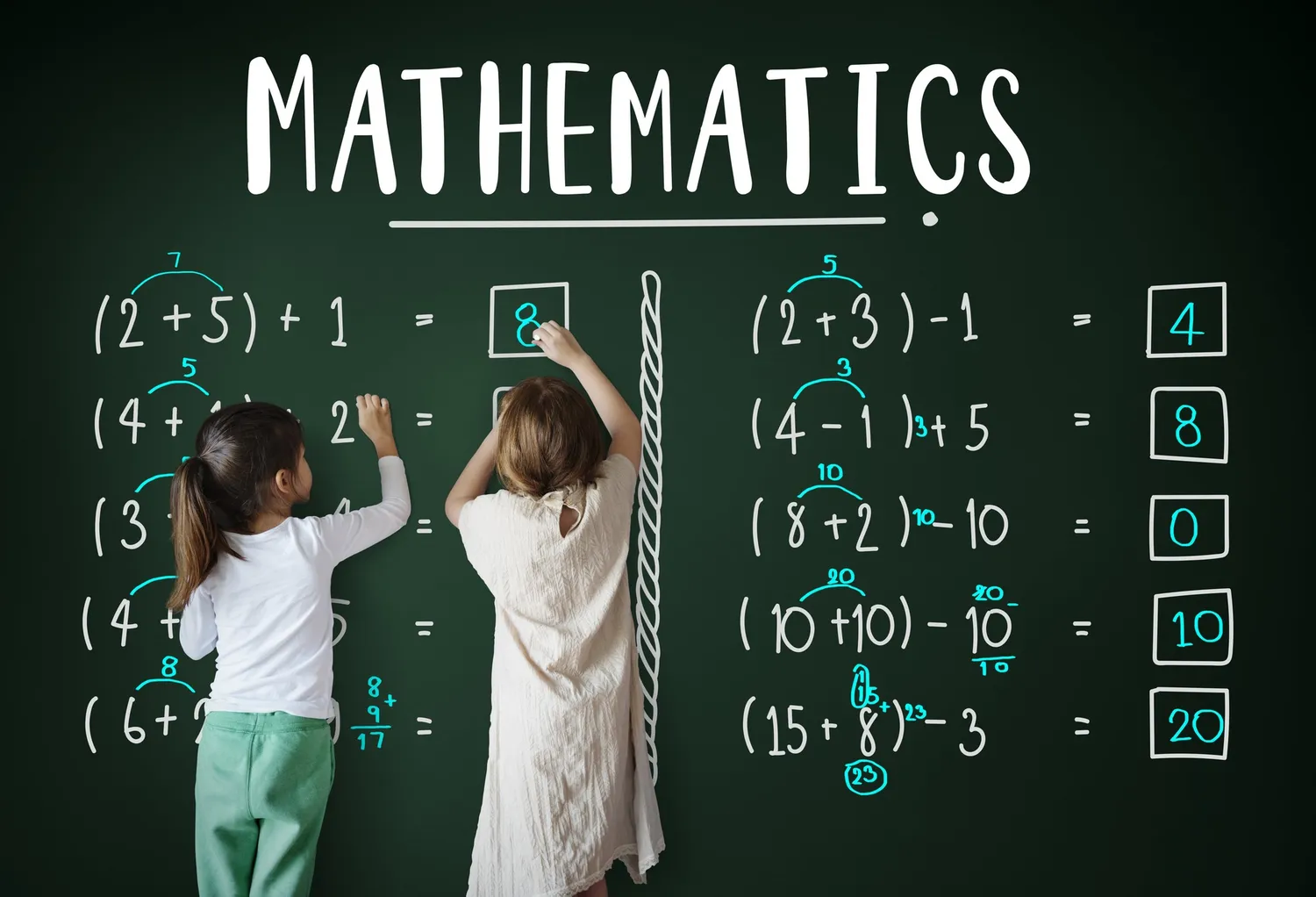
Teaching multiplication is a cornerstone of mathematics education, forming the basis for more advanced mathematical concepts like fractions, division, and algebra. However, students learn in different ways, and a one-size-fits-all approach may leave some struggling to grasp this essential skill. By tailoring instruction to diverse learning styles—visual, auditory, kinesthetic, and more—you can make multiplication accessible and engaging for all learners. Below are eight effective strategies to teach multiplication that cater to various learning preferences.
1. Use Visual Aids for Visual Learners
Visual learners thrive on seeing concepts presented graphically. To teach multiplication effectively to these students:
- Multiplication Charts and Tables: Introduce students to multiplication grids and charts to identify patterns and relationships between numbers.
- Color-Coded Arrays: Use colored dots, stickers, or diagrams to show how multiplication works (e.g., a 3x4 array of dots for 3x4=12).
- Digital Tools and Worksheets: Interactive resources, like the Multiplication Worksheets, offer structured exercises with engaging visuals that help reinforce concepts through repetition and practice.
These methods provide clarity and foster understanding by turning abstract ideas into tangible visuals.
2. Incorporate Rhymes and Songs for Auditory Learners
Auditory learners absorb information best when it is presented through sound. To engage these students:
- Multiplication Songs: Create or use existing songs that teach multiplication tables through melody and rhythm.
- Verbal Repetition: Encourage students to chant or say multiplication facts aloud repeatedly for better retention.
- Classroom Discussions: Explain multiplication concepts in conversational terms and involve students in group discussions or verbal problem-solving activities.
These auditory techniques make learning multiplication more engaging and easier to recall.
3. Use Hands-On Activities for Kinesthetic Learners
Kinesthetic learners understand best through movement and physical activity. To teach multiplication:
- Manipulatives: Use tools like counters, blocks, or beads to physically group and count items, demonstrating multiplication as repeated addition.
- Games and Puzzles: Incorporate multiplication into activities such as dice games, card games, or interactive board games.
- Movement-Based Activities: Have students act out multiplication problems, like grouping themselves into equal teams to solve 5x4.
These tactile experiences help kinesthetic learners connect with the material on a deeper level.
4. Leverage Storytelling for Linguistic Learners
Students with strong linguistic skills benefit from narratives and word-based learning. To teach multiplication:
- Word Problems: Present multiplication through relatable, real-world scenarios (e.g., "If each pack of pencils has 6 pencils, how many are there in 4 packs?").
- Story-Based Learning: Create a story where multiplication is a key part of the narrative, helping students understand its practical use.
- Journaling: Encourage students to write their own multiplication problems and solutions in a math journal.
This method helps linguistic learners contextualize multiplication in meaningful ways.
5. Focus on Logical Patterns for Analytical Learners
Analytical learners excel when they can identify patterns and connections. Tailor multiplication lessons to their strengths by:
- Highlighting Patterns: Show how numbers behave when multiplied (e.g., even numbers always result in even products).
- Breaking Down Problems: Teach step-by-step methods for solving more complex multiplication problems, such as breaking numbers into smaller factors.
- Problem-Solving Challenges: Present puzzles or logic games that incorporate multiplication to make the process intellectually stimulating.
This approach appeals to students who prefer structured, logical thinking.
6. Incorporate Technology for Digital Learners
Students who are drawn to technology can benefit from online tools and applications. Use:
- Interactive Apps: Multiplication apps and games turn learning into an engaging, interactive experience.
- Online Practice: Provide access to platforms with multiplication drills and adaptive learning features.
- Multimedia Presentations: Use videos, animations, or digital whiteboards to explain multiplication in dynamic ways.
Digital resources allow students to learn at their own pace while keeping the material engaging and interactive.
7. Encourage Collaboration for Interpersonal Learners
Interpersonal learners thrive in social settings. Engage these students with group-based activities:
- Peer Teaching: Pair students so they can explain multiplication concepts to each other.
- Group Projects: Create team challenges where students solve multiplication problems collaboratively.
- Classroom Games: Play multiplication bingo, trivia, or relay races to combine learning with social interaction.
Collaborative activities help students learn from one another while building confidence in their skills.
8. Allow for Independent Exploration for Intrapersonal Learners
Intrapersonal learners prefer self-directed learning. Encourage independence by:
- Self-Paced Worksheets: Provide a variety of practice problems, such as those found in Free Multiplication Worksheets allowing students to work through them at their own pace.
- Goal Setting: Help students set specific multiplication goals and track their progress over time.
- Reflection Activities: Ask students to journal or reflect on their understanding of multiplication concepts and identify areas they find challenging.
This approach fosters self-motivation and helps students take ownership of their learning journey.
Conclusion:
Teaching multiplication to students with different learning styles requires flexibility and creativity. By tailoring instruction to individual needs—whether through visual aids, auditory tools, kinesthetic activities, or digital resources—you can ensure every student has the opportunity to succeed.
Incorporating resources provides structured, versatile practice that complements these strategies. Ultimately, understanding and addressing diverse learning styles not only improves multiplication skills but also instills confidence and a love for learning in every student.