On the world’s highest point, time is not just a number, it is a matter of life and death. During an Everest Expedition, climbers learn one strict and serious rule: you must turn back by 2 PM on summit day, no matter how close you are to the top. Many climbers plan their journey carefully with Nepal Social Treks, whose experienced guides help them understand safety rules like this long before they step onto the mountain.
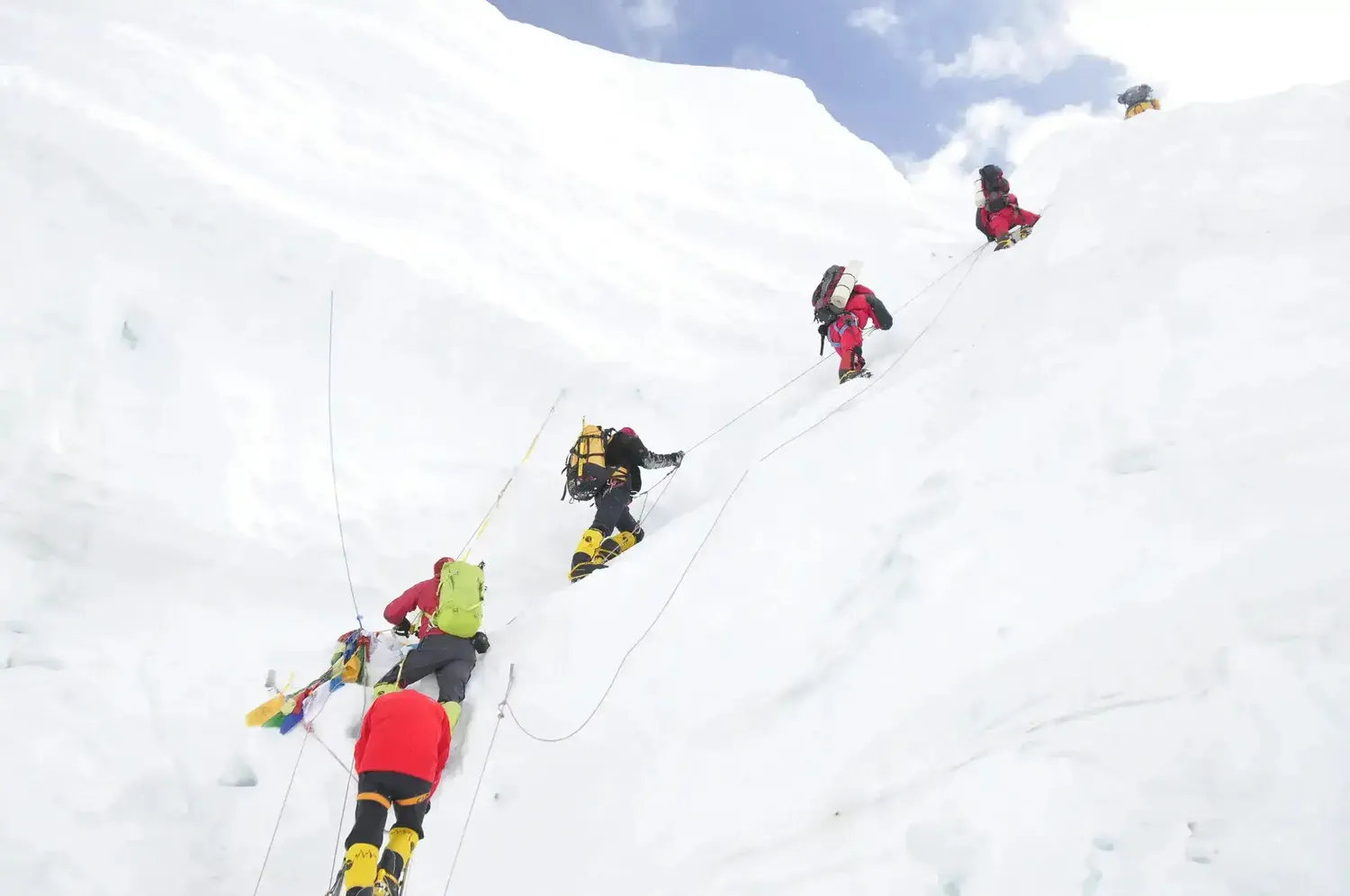
This rule may sound harsh, but on Mount Everest, it exists for a very important reason. Let’s understand why the 2 PM cut-off can save lives in the “death zone.”
The Meaning of the 2 PM Rule
The 2 PM rule means that climbers must start descending from the summit area by 2 PM, even if they have not reached the top yet. This rule is followed strictly on most Everest summit attempts.
The reason is simple: after 2 PM, the mountain becomes extremely dangerous. Weather changes quickly, temperatures drop fast, and daylight starts to fade. What feels safe in the morning can become deadly in just a few hours.
On Everest, reaching the summit is only half the journey. Coming back safely is the real success.
Everest Expedition Statistics You Should Know
Before understanding the danger, it helps to know the basic facts of the climb:
Average Duration: 45 to 60 days
Total Distance: Around 130 to 150 kilometers (round trip from base camp route)
Maximum Elevation: 8,848.86 meters (Everest Summit)
These numbers show how long and extreme an Everest Expedition is. It is not a short climb, it is a full journey through ice, storms, and thin air.
Why Time Becomes Dangerous After 2 PM
Above 8,000 meters, climbers enter what is called the “death zone.” In this area, oxygen is extremely low. The human body slowly weakens, even while resting.
After 2 PM, several risks increase:
The temperature drops quickly, making frostbite more likely.
Wind speeds often rise, reducing visibility.
Climbers become more tired and slow on the descent.
Oxygen levels feel even lower as the day gets later.
Most accidents on Everest happen during descent, not ascent. This is why turning back on time is critical.
Nepal Social Treks prepares climbers for these risks by providing safety briefings, experienced Sherpa guides, and careful summit planning. Their team ensures climbers understand when to push forward and when to turn back.
The Deadly “Death Zone” Effect
Above 8,000 meters, the body cannot fully recover. Even with oxygen support, climbers are working beyond human limits.
In the morning, climbers may feel strong enough to move upward. But as the day passes, fatigue builds quickly. Thinking becomes slow. Decisions become harder. Small mistakes can turn into serious problems.
If climbers stay too late near the summit, they may get stuck in darkness or storms during descent. In this region, rescue is extremely difficult or impossible.
That is why the 2 PM rule is not optional, it is survival strategy.
Weather Changes on Everest
One of the biggest challenges on Everest is unpredictable weather.
Morning conditions may look calm and clear, giving climbers hope. But by afternoon, clouds can roll in fast. Snowstorms and strong winds can reduce visibility to almost zero.
Without daylight, climbers can easily lose the route or slip on icy paths. The descent becomes far more dangerous than the climb.
This is why summit teams plan their final push very early in the morning—often around midnight or 1 AM from higher camps. The goal is to reach the summit early and start going down well before 2 PM.
Why Turning Back Is a Smart Decision
Many people think turning back means failure. But on Everest, it is the opposite.Respecting the 2 PM rule means a climber is making a smart and safe decision. The mountain will always be there. But life does not always give a second chance.
Some of the most experienced climbers in the world have turned back just a few hundred meters from the summit. These decisions are respected because they show discipline and awareness.
Nepal Social Treks emphasizes this mindset in their expeditions. Their guides teach climbers that safety always comes before the summit goal.
Role of Sherpas and Expedition Teams
Sherpas play a very important role in managing time on Everest. They know the mountain better than anyone else and help climbers stay on schedule.
They monitor oxygen levels, weather updates, and climber conditions. If someone is moving too slowly, they may recommend turning back early.
Expedition companies like Nepal Social Treks coordinate these decisions carefully to ensure everyone follows safe timing. Their support system is one of the key reasons modern Everest expeditions are more organized and safer than in the past.
The Cost of Ignoring the Rule
Ignoring the 2 PM rule can lead to serious consequences.
Climbers may get stuck in darkness on steep slopes.
Oxygen levels may drop dangerously low during descent.
Frostbite or hypothermia can develop quickly.
Small errors can become life-threatening.
Most tragic Everest stories involve climbers who stayed too late near the summit. This is why experienced teams treat this rule as absolute.
Final Thoughts: The Mountain Always Wins Against Time
The 2 PM rule on Everest is not just a guideline it is a lifeline. It exists because the mountain becomes far more dangerous as the day progresses. Climbers who respect this rule greatly increase their chances of returning safely.An Everest Expedition is not only about reaching the top of the world. It is about making smart decisions, respecting nature, and returning home alive.
With the guidance of Nepal Social Treks, climbers are better prepared to understand these life-saving rules. Their expert planning, Sherpa support, and safety-first approach ensure that every expedition is not only successful but also safe.
In the end, Everest teaches one powerful lesson: the summit is optional, but the descent is mandatory.