A cold wind brushed my face as I stepped onto the Everest Base Camp Path, and in that moment I knew I was walking into a place where mountains tell their own stories. This trail does more than lead you to a famous spot on a map, it pulls you into a world shaped by ice, rock, and ancient culture. Each step takes you closer to Mount Everest, the tallest giant on Earth, and closer to a journey that feels both powerful and peaceful.
The Call of the Mountains
The trail begins with a thrilling flight to Lukla, a small airport high in the hills. The runway is short, the valley is deep, and your heart beats fast as the plane touches down. But once you step outside, the clean mountain air welcomes you. The smell of pine trees and the distant sight of snow peaks make you feel ready for adventure.
The first stretch of the trail passes through small villages filled with prayer flags and carved stones. The sound of yak bells, the flutter of colorful flags, and the smooth hum of prayer wheels make each village feel alive. The mountains rise in the distance, steady and strong, guiding your eyes forward.
Walking Through Sherpa Heartlands
The higher you climb, the closer you come to Sherpa culture. These mountain people are known for their kindness, strength, and warm hearts. Their homes sit on terraces shaped by the land, and the smell of butter tea drifts through the air.
Namche Bazaar is one of the biggest stops along the trail. It sits like a bowl carved into the hillside, filled with shops, bakeries, lodges, and smiling faces. Trekkers from all around the world meet here to rest, talk, and prepare for the days ahead. Far above Namche stands Tengboche, home to a peaceful monastery where monks chant prayers that echo across the hills.
In every village, you feel the same message: "You are welcome here." The Sherpa community is the soul of the Everest region, and meeting them becomes one of the best parts of the journey.
The Natural Wonders Along the Trail
The Everest Base Camp Path leads through landscapes that change like scenes in a storybook. At the start, tall pine forests sway in the wind. Soon after, the trees thin out and the land opens into wide valleys touched by sunlight. Snow peaks appear like silver crowns high above you.
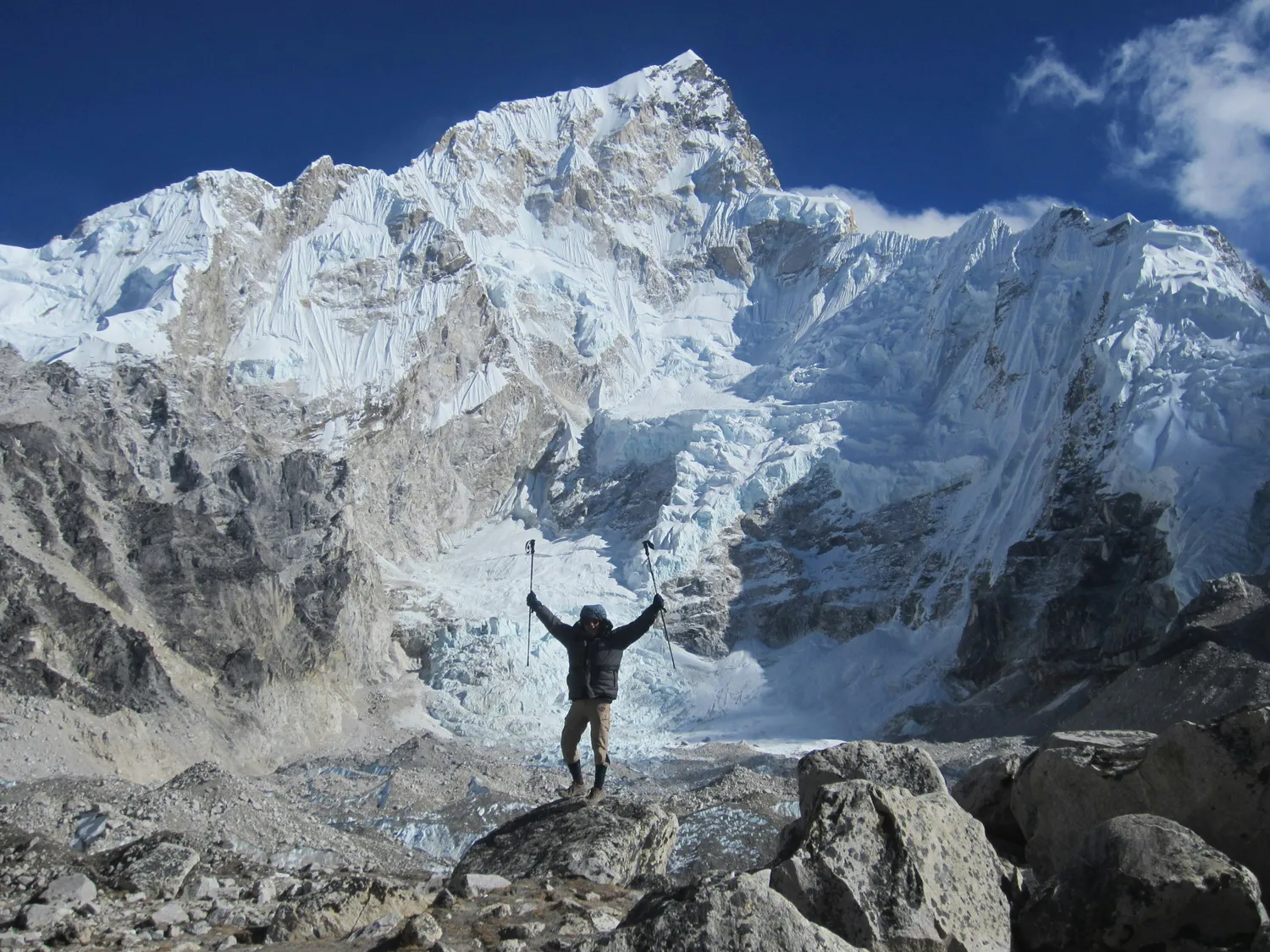
As you climb higher, the trail becomes rocky, and the air grows thin. You feel your breath slow down, and even small tasks take effort. But the views grow more powerful with every step. Ama Dablam rises like a sharp white blade. Lhotse stands like a wall of ice. Nuptse spreads wide and strong across the sky.
Sometimes the deep sound of a distant avalanche rolls through the valley, reminding you of the mountain’s mighty heartbeat.
Useful Trek Statistics
Here are some key facts many trekkers find helpful:
- Average trek duration: 12–14 days
- Total walking distance: About 130 kilometers (round trip)
- Maximum elevation: 5,364 meters (17,598 feet) at Everest Base Camp
- Daily walking hours: 5–7 hours
- Best trekking seasons: Spring (March–May) and Autumn (September–November)
These facts help you understand the journey, but the real beauty lies far beyond numbers.
Reaching Everest Base Camp
As you approach the higher parts of the trail, the air becomes cold and crisp. The land turns into a mix of rock, ice, and wind. Villages grow smaller, and quiet fills the path. Your steps slow down, but your excitement grows stronger.
The final climb to Everest Base Camp feels like the last chapter of a long story. When you step onto the rocky ground of the base camp, your heart feels both proud and calm. Bright tents sit on the glacier during climbing season, glowing like tiny sparks under the huge sky.
Behind the camp lies the Khumbu Icefall, a maze of deep cracks and towering ice blocks. It looks beautiful but dangerous, and you can almost feel the courage of climbers who step onto it to reach the summit.
Standing there, you realize something important:
You have reached the foot of the world’s highest mountain.
You have walked a trail that millions dream about.
You have earned every view, every breath, every moment.
The Return Journey
Walking back feels easier, but also more emotional. The same bridges and hills greet you again, but you see them with new eyes. You notice the soft sound of the river, the warm faces of the villagers, and the colorful flags dancing in the wind.
Your legs may ache, but your spirit feels stronger. You have faced cold winds, thin air, steep climbs, and long days. You have learned patience. You have learned to trust your steps. And you have learned that the mountains always reward those who keep going.
When you return to Lukla, you look back at the peaks one last time. They rise behind you, bright and silent, like old friends watching over your journey.
Why This Journey Stays With You
The Everest Base Camp trek is more than a hike—it is a doorway into a world ruled by nature. It teaches you to slow down, breathe deep, and notice small things: a warm bowl of soup, a sunrise over snow, a quiet night filled with stars.
You carry home not just photos, but memories that stay forever. You remember the people who walked beside you, the laughs you shared, the challenges you overcame, and the moment you stood at the foot of Everest.
It becomes a story you will tell again and again.
A Journey Worth Taking
If you dream of adventure, growth, and beauty that feels almost unreal, the Everest Base Camp Path is waiting. It welcomes beginners with open arms and challenges the brave with every step. It teaches you strength, courage, and calm.
And when you reach the foot of the tallest mountain on Earth, you will know deep inside that this journey has changed you—in the best possible way.