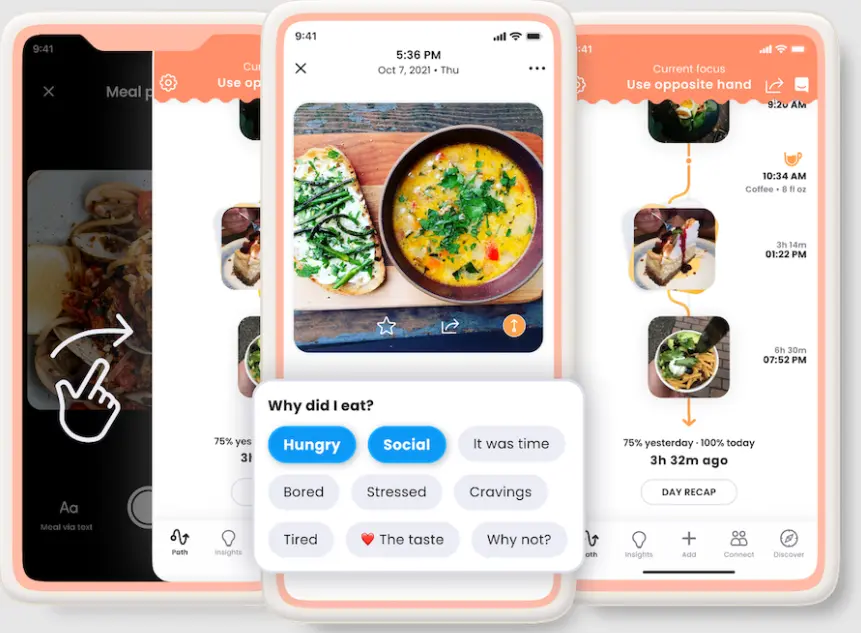
Intermittent fasting apps are booming globally. “Mens sana in corpore sano,” a Latin phrase that translates into “A healthy mind in a healthy body,” fits perfectly in today’s scenario. The world has started learning the importance of having good fitness. The existence of intermittent fasting apps (IF) is the perfect example of it.
Recently, people are not only prioritizing their diet but also how they consume it. The awareness of how and when you need to eat is what IF apps are all about. It would be wrong to assume them as a stopwatch with periodic reminders.
The intermittent fasting journey is not a sheer weight loss program, as mainstream media portrays. It displays long-term health benefits at the cellular level. In addition, the concept was first perceived globally in 2012. It was a BBC broadcast journalist Dr. Michael Mosley’s TV documentary Eat Fast, Live Longer, and the book The Fast Diet.
Since then, many books and intermittent fasting apps have seen launches. You can also easily find an intermittent fasting mobile app development company with eye-catching services. More so, people also struggle with typical questions-
- Should I try Intermittent Fasting?
- Is it a fad?
- How will it help me?
- Which app should I download?
True, Beginning is always the hardest. Also, challenging in some cases. Thus, proper and systematic knowledge will leave no doubt in mind.
Hence, let’s understand what this fuss is all about-
Table of Contents
- What is an Intermittent Fasting App?
- Market Analysis of Intermittent Fasting Apps
- What are the Types of Intermittent Fasting Apps?
- How does an Intermittent Fasting App Work?
- How Intermittent Fasting is Beneficial for Your Health?
- Some of the Best Intermittent Fasting Apps
- How to Choose the Best Intermittent Fasting Method for Yourself?
- How Does Cost Affect Development of an Intermittent Fasting App?
- Summing Up!
- Free Intermittent Fasting App: FAQs
What is an Intermittent Fasting App?
Intermittent fasting focuses on following a periodic eating schedule with no snacks in between. You can find various diet plans which will help your metabolism and improve cellular and molecular mechanisms. As a result, it prevents many diseases and improves overall mental, physical, and emotional health.
So, when other diet plans focus on what to eat, it tells you when to eat. The general intermittent fasting schedule abides by extended 16 hours of fasting periods at night. Then, they follow an 8-hour window of conscious eating during the daytime.
Most people prefer to keep fast at night and eat during the daytime. Further, Intermittent fasting is different from Circadian Rhythm, which follows the concept of “Daylight eating and nighttime resting.”
See Also: Best Mobile App Ideas 2023 For Your Next Business Startups
Market Analysis of Intermittent Fasting Apps
The research shows the popularity of intermittent fasting apps over other apps. More IF apps have come into the market with a rise in health awareness.
According to, Highest grossing Leap Fitness Group apps worldwide in 2022 YTD, intermittent fasting apps generated the highest returns compared to other health apps.
Moreover, Intermittent fasting and home workout apps lead the market with revenues of US$3,083,761 and US$3,013,888, respectively. Sure, it is only one year’s revenue. Considering the people’s interest and credible results of intermittent fasting, it is on to reach new heights.
What are the Types of Intermittent Fasting Apps?
First of all, you need to understand the different types of fasting. It is essential to know which works better for you. You can schedule your intermittent fasting plan as you like. However, there are four most popular intermittent fasting windows to consider. They are-
- 16:8 Plan or Time Restricted Eating-
Time-specific eating, commonly known as the 16:8 method, is the most popular. People observe a fasting period of 16 hours. It usually starts after sunset and continues till mid-day. Then, they follow a healthy diet routine for the next 8 hours.
Some people also use a 14:10 intermittent fasting schedule. In this, fasters have a 14-hour fasting period and a 10-hour eating window. Such types of fasting periods are considerably easy for first-timers. Because people don’t need to change their meal plans significantly.
Thus, it is the easiest and most convenient way of fasting. The benefits of the 16:8 plan include weight loss, balanced blood sugar levels, and elevated longevity.
- 5:2 Plan-
It is considered one of the most flexible fasting schedules. In this, people usually eat five days a week. Then, they take a break for any two days with a break in between.
For example, people keep fast on Monday and Thursday and eat around 400-600 calorie meals. The meal they consume is high in Protein and fiber, also not to go over calorie count. For the rest of the days, they go on their usual diet.
However, you must have a healthy diet on non-fasting days, if you want to see the results. The benefits of the 5:2 plan include improved blood lipids, reduced insulin resistance, decreased inflammation, and weight loss.
- Alternate Day Fasting-
Alternate-day fasting is the best IF approach to preventing heart disease and type-2 diabetes. It is also called “modified fasting.” Here, You consume one low-calorie meal, usually up to 500 calories the fasting day.
Then, you consume a nutritious meal the next day. Further, you repeat the process for the rest of the week. In other words, it is called “The Every other Day Diet” by Dr. Krista Varady. You consume only 20-25% of your energy requirement on the fasting day.
However, you may also have calorie-free diets or liquids, such as water, tea, and coffee. This fasting method helps preserve lean muscle mass during weight loss.
- 24-hour Fasting-
Another form of Intermittent Fasting plan is also called the “Eat-Stop-Eat” approach. It is different from alternate-day fasting. Here, you consume only calorie-free beverages on the fasting day.
Then, you take a healthy meal the next day. So, the schedule proceeds for weeks until you get the desired result. Besides weight loss, it is most beneficial in improving metabolism and cardiovascular health. Other benefits include-
- Balancing cholesterol and sugar levels.
- Lowering risks of coronary artery disease.
- Reducing inflammation.
- Lowering risks of certain cancers.
- Lessening the chances of getting Alzheimer’s and Parkinson’s disease.
Since it follows a strict calorie-free diet on a fasting day, certain complications may occur. There may be fatigue and headaches. You may also feel quite “hangry” on the fasting day.
Reference: Jploft solution