In today's fast-paced world, sleep has become a luxury for many people, often sacrificed in favor of work, entertainment, or social obligations. However, the importance of quality sleep cannot be overstated. It plays a vital role in maintaining overall health, contributing to cognitive function, emotional well-being, and physical recovery. For individuals who struggle with chronic sleep issues, sleep studies offer a valuable tool in understanding the root causes of sleep disturbances. By closely monitoring various physiological functions during sleep, these studies provide insights that can lead to more effective treatments and healthier sleep patterns.
What Are Sleep Studies?
Sleep studies, also known as polysomnography, are diagnostic tests designed to monitor and record various physiological parameters while you sleep. These studies track brain activity, heart rate, breathing patterns, blood oxygen levels, and muscle activity to identify any abnormalities. A sleep study can be conducted in a sleep clinic or in the comfort of your home with portable equipment. The data collected helps healthcare professionals diagnose sleep disorders like sleep apnea, restless leg syndrome, narcolepsy, and insomnia. By gathering comprehensive data, sleep studies give a clearer picture of the sleep cycle, pinpointing problems that might otherwise go unnoticed.
Improved Diagnosis of Sleep Disorders
One of the primary benefits of sleep studies is their ability to accurately diagnose sleep disorders. For individuals who experience symptoms like chronic fatigue, loud snoring, or excessive daytime sleepiness, a sleep study can provide a precise diagnosis. Conditions like obstructive sleep apnea (OSA) are often underdiagnosed because their symptoms may be subtle or mistaken for other health problems. A sleep study monitors the number of breathing interruptions throughout the night, helping doctors determine the severity of the condition. With a correct diagnosis, patients can explore targeted treatments that can significantly improve their quality of life.
Tailored Treatment Plans
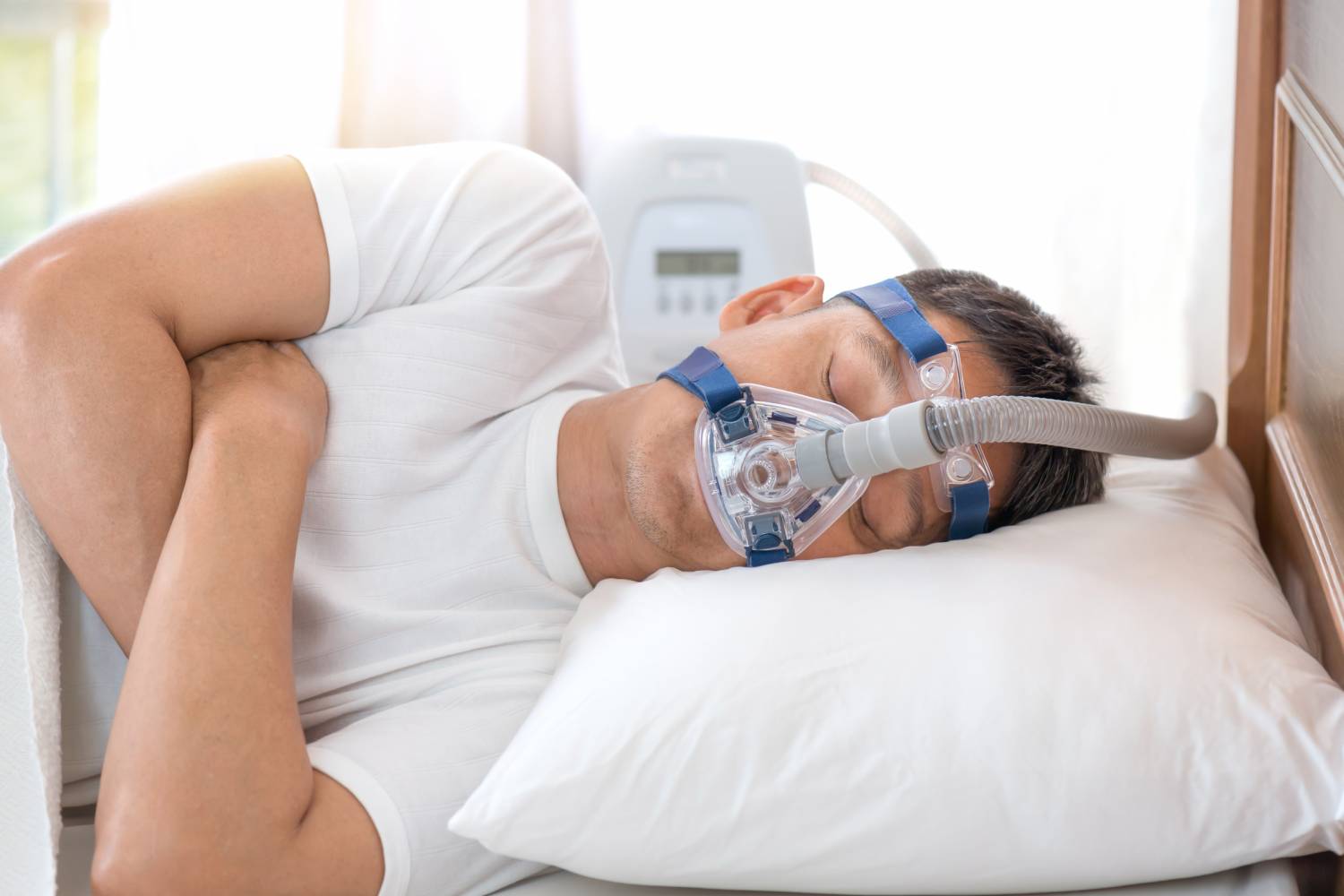
Once a sleep disorder is diagnosed, healthcare providers can develop a personalized treatment plan to address the specific condition. For example, a patient with sleep apnea might be prescribed a CPAP (Continuous Positive Airway Pressure) machine, while someone with insomnia may benefit from cognitive behavioral therapy for insomnia (CBT-I). Sleep studies offer a clear and precise diagnosis, enabling healthcare providers to create treatment plans that are more effective. This tailored approach ensures that individuals receive the care they need to address the underlying cause of their sleep issues, rather than just masking the symptoms.

Enhanced Quality of Life
One of the most immediate benefits of addressing sleep disorders through sleep studies is the improvement in quality of life. Sleep deprivation and poor-quality sleep can have a profound impact on both physical and mental health. Chronic sleep issues have been linked to a variety of conditions, including cardiovascular disease, diabetes, obesity, and depression. By identifying and treating the root causes of sleep problems, sleep studies can help prevent the onset of these conditions or reduce their severity. Furthermore, getting a proper night's sleep improves mood, cognitive function, and energy levels, leading to an overall better quality of life.
Better Management of Chronic Conditions
For individuals with chronic conditions like hypertension or diabetes, sleep studies can be particularly beneficial. Many chronic health issues are worsened by poor sleep, and untreated sleep disorders can complicate the management of these conditions. For example, sleep apnea is commonly found in people with hypertension, and treating the sleep disorder can lead to better control of blood pressure. By participating in a sleep study, individuals with chronic conditions can identify potential sleep-related issues that may be affecting their health. With proper treatment, they can improve their sleep and, as a result, better manage their chronic conditions. Click on this page to know more.
Increased Awareness of Sleep Hygiene
Sleep studies not only help diagnose and treat sleep disorders but also raise awareness about the importance of good sleep hygiene. Sleep hygiene refers to the habits and practices that promote good sleep, such as maintaining a consistent sleep schedule, avoiding caffeine before bedtime, and creating a comfortable sleep environment. Through the insights gained during a sleep study, individuals often gain a deeper understanding of the factors that affect their sleep quality. This newfound awareness can motivate them to make healthier lifestyle choices that enhance their sleep, such as incorporating relaxation techniques or adjusting their sleep environment.

Conclusion
Sleep studies offer a comprehensive and effective way to identify the underlying causes of sleep disturbances and provide personalized treatments to improve sleep quality. By diagnosing sleep disorders with precision, enhancing treatment plans, and promoting better sleep habits, these studies can significantly improve an individual's overall health and well-being. With the growing recognition of sleep's vital role in health, sleep studies are becoming an increasingly important tool for achieving healthier, more restorative sleep.