Veterans, having served their country with honor, often return to civilian life with unique challenges and needs. Understanding and accessing the myriad of legal rights and support systems available to them is crucial for their reintegration and well-being. The complexities of these rights and supports can be vast, spanning healthcare, education, employment, and more. This article aims to provide a concise overview of these essential services, ensuring veterans can claim the benefits rightfully due to them and find the assistance they need as they transition back into civilian life.

Legal Rights for Veterans
One of the primary areas of concern for veterans is understanding their legal rights, especially regarding health care and employment. Veterans are entitled to comprehensive health care services through the Veterans Health Administration, which includes hospital, outpatient, pharmacy, and long-term care services. Accessibility to mental health care is also a priority, recognizing the high incidence of PTSD and other mental health issues among veterans. Employment rights are also critical; laws such as the Uniformed Services Employment and Reemployment Rights Act protect the job rights of individuals who voluntarily or involuntarily leave employment positions to undertake military service.
Housing and Loans
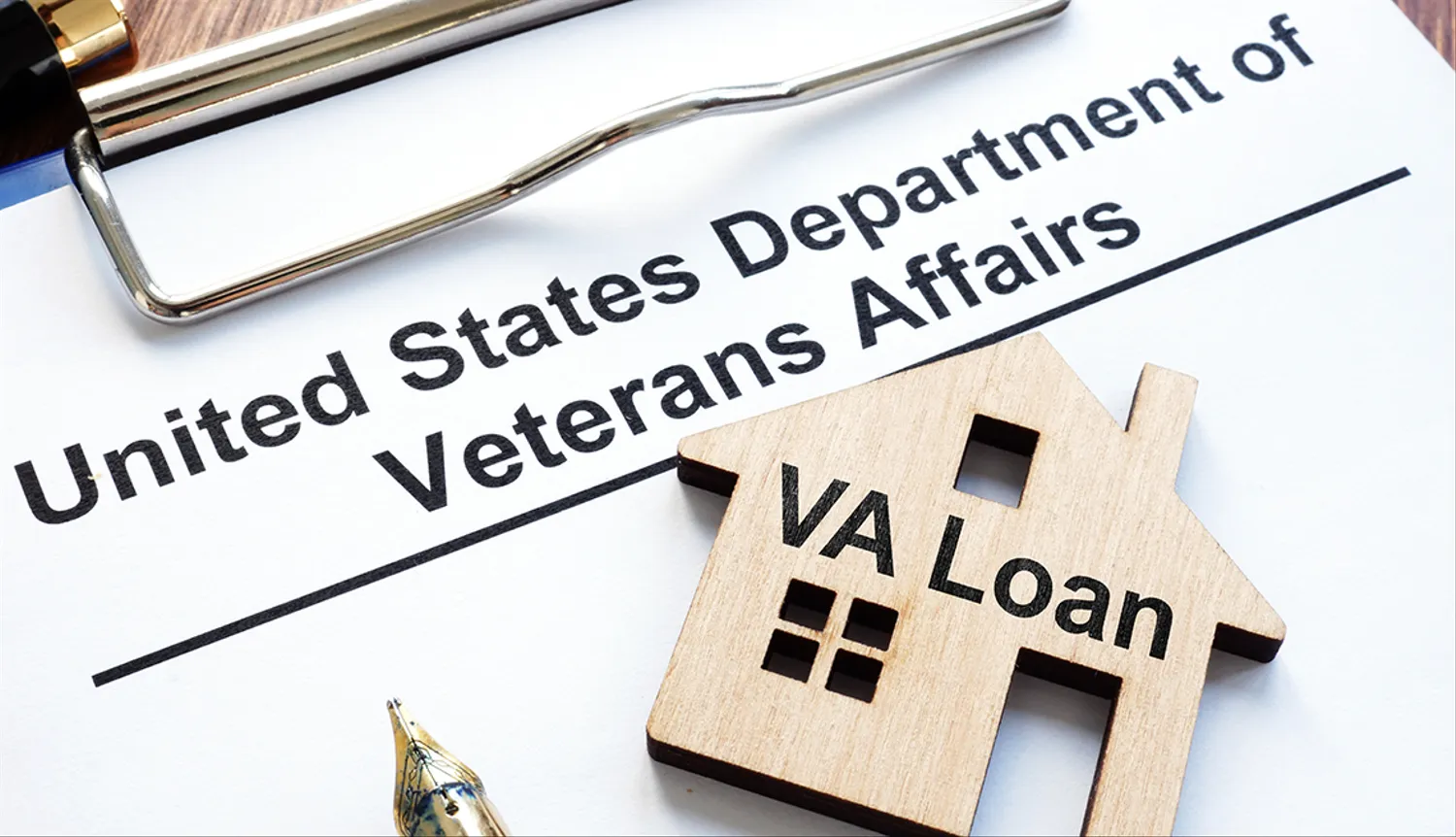
Securing stable and affordable housing is another critical need for veterans. The U.S. Department of Veterans Affairs (VA) offers several loan programs to assist in purchasing, improving, or retaining a home. The VA Home Loan program helps veterans purchase homes with no down payment, no private mortgage insurance, and competitive interest rates. For veterans facing homelessness, the VA provides special housing vouchers and comprehensive support programs designed to provide not only housing but also necessary health and employment services.
Support for Disabled Veterans
For veterans with disabilities, the VA offers additional services and support, including compensation for disabilities that are connected to military service. This compensation varies based on the degree of disability and the number of dependents. Rehabilitation programs are available to help disabled veterans achieve independence in daily living and employment. Adaptive grants are also available for those who need to modify their homes or vehicles to accommodate their disabilities.
Mental Health Resources
Recognizing the mental toll that military service can take, there is a wealth of mental health resources available to veterans. These include counseling services, crisis prevention, and specialized treatment for PTSD. All veterans are eligible for these services, regardless of their period of service or position. The VA's mental health services aim to be accessible, with options for treatment at healthcare facilities, community clinics, and through telehealth services to reach those in remote areas. Visit here to know more.

Legal Assistance and Advocacy
Legal support is also available to veterans who face legal issues or require help navigating their benefits. Various non-profit organizations and legal clinics offer free or low-cost legal services to veterans. These services can cover a range of issues from appealing VA claims denials to handling civil matters such as divorce or bankruptcy. Advocacy groups are also active in lobbying for veteran rights and services, ensuring that the voices of veterans are heard and their needs are met by legislation.
Conclusion
The breadth of legal rights and support systems for veterans reflects a societal commitment to those who have served. However, the complexity of these systems often requires guidance and advocacy to navigate effectively. Veterans seeking to utilize these benefits should connect with local veteran affairs offices and trusted organizations dedicated to veteran services. By doing so, they can fully leverage the supports available to help them reintegrate into civilian life and thrive post-service. Understanding and accessing these rights and supports is not just beneficial for the veterans themselves, but essential for honoring their service and sacrifice.