Perfecting the Bluff: The Art of Timing
When it comes to poker, mastering the art of timing is absolutely crucial. A well-executed bluff can be your ticket to a winning pot, but mistiming it can lead to disastrous consequences. As a seasoned bluffer, I've come to appreciate the intricate dance of the game's rhythm and my opponents' playing patterns. It's all about finding that opportune moment to unleash a bluff, typically when the stakes are sky-high and the tension in the room is palpable. Balancing risk and reward in this high-stakes game requires years of relentless practice and dedication. I've spent countless hours delving into statistical analyses, dissecting the data to pinpoint the perfect moment to bluff.
To enhance my bluffing prowess, I've harnessed the power of technology. Software tools and hand history databases have become my trusted allies in deciphering patterns and identifying prime bluffing opportunities. These data-driven insights complement my gut feeling, empowering me to make well-informed, timely decisions at the poker table.
The Language of the Body: Deciphering Nonverbal Clues
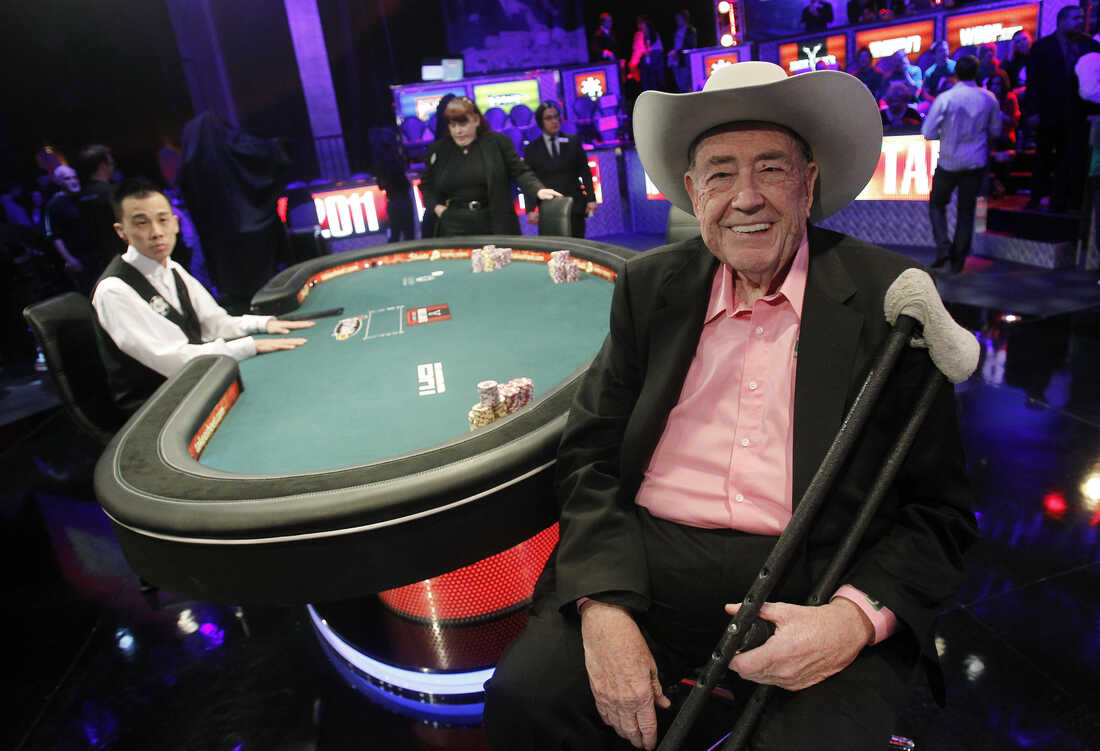
In the world of poker, mastering the art of controlling one's physical gestures and expressions is a skill worth its weight in gold. Maintaining that elusive "poker face" is paramount, but it's equally important to decode the physical tells of your opponents. Whether it's a fleeting eye movement, a subtle hand gesture, or the way they place their bets, these nonverbal clues can be the key to unraveling their intentions. Distinguishing between amateurs and professionals often comes down to the ability to decipher these signs.
The journey to control these physical tells is painstakingly meticulous. I've recorded myself, practiced in front of mirrors, and even dabbled in biofeedback technology to tame involuntary responses like an erratic heart rate or sweaty palms. This level of control allows me to shroud my true intentions in a cloak of mystery, adding an extra layer of complexity to my bluffs.
The Psychology of Bluffing: A Mind Game of Wits
Bluffing is no random gamble; it's a calculated risk that hinges on a profound understanding of human psychology. It entails recognizing tells and foreseeing how your opponents will react. To gain the upper hand, many professionals invest in psychological training, honing their skills in reading facial expressions, body language, and those subtle cues that betray their adversaries' inner thoughts. Unlocking the secrets of successful poker bluffs involves delving into the intricate mind games at play, all while keeping an eye on the enticing Pennsylvania Online Casino Promo Codes.
Understanding the psychology of bluffing goes beyond the poker table. I've immersed myself in the study of human behavior, taking courses and seeking guidance from psychologists. Manipulating my emotional responses has become second nature, allowing me to project confidence or uncertainty as the situation demands. This mastery of emotional intelligence is the ace up my sleeve in high-stakes games.
Legendary Bluffers: Icons of the Craft
In the annals of poker history, luminaries like Doyle Brunson, a force from the 1970s to the 2000s, and Phil Ivey, a dominant presence since the late 1990s, have etched their names in the pantheon of bluffing legends. Their audacious bluffs have become the stuff of poker legend, showcasing their daring, intellect, and finesse. These players have set the bar high for professional poker, inspiring a new generation of aspiring bluffers. Beyond their exploits at the table, these bluffing maestros have penned books, conducted seminars, and actively promoted the game, becoming true ambassadors of poker and sharing their invaluable wisdom.
Common Scenarios: Spotting the Opportunities
The most effective bluffs tend to unfold in specific scenarios, such as when an opponent reveals a hint of vulnerability or when the cards on the board align with a convincing narrative. Recognizing these golden opportunities demands a profound understanding of the game's dynamics and an unwavering adaptability to its ever-shifting ebb and flow. Adapting to these scenarios is an art form that professionals like me have honed over countless hands.
To continually refine our craft, professionals often engage in collaborative efforts, engaging in spirited discussions about hands and strategies with peers. We meticulously dissect our games, seeking feedback, and fine-tuning our comprehension of the game's subtle nuances. In this ever-evolving pursuit of perfection, we embrace the challenge of analyzing common bluffing scenarios, never resting on our laurels.
Crafting the Perfect Bluff: A Strategic Symphony
In the world of high-stakes poker, perfecting the art of bluffing is a perpetual quest. It's not merely about timing, physical tells, or psychology; it's about orchestrating a strategic symphony that keeps opponents guessing and your bankroll growing. Let's delve deeper into the advanced techniques and nuances that elevate a run-of-the-mill bluffer to a true master of the craft.
Mastering the Art of Deception: Advanced Tactics
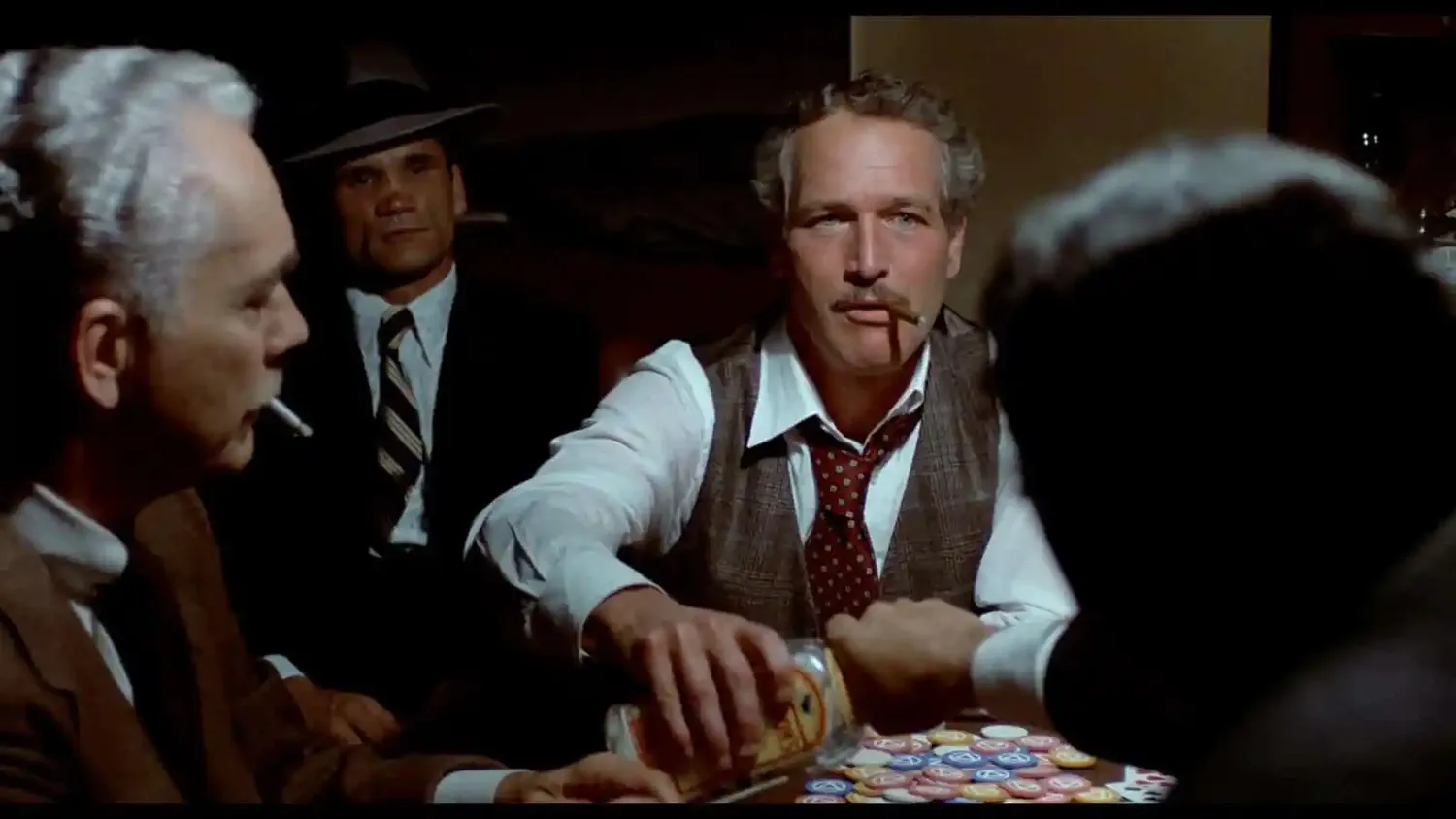
While the basics of bluffing lay the foundation, advanced tactics are the brushstrokes that create a masterpiece. One such tactic is the "semi-bluff," a skillful maneuver that combines elements of both bluffing and strong hand play. It's a calculated risk where you have a drawing hand that has the potential to become the best hand if certain cards come on the turn or river. This type of bluff keeps your opponents guessing, as they can't be certain if you're holding a strong hand or simply biding your time to complete a powerful draw.
Another advanced technique is the "float play." Here, you call a bet on the flop with a weak hand, not because you believe it's the best hand at the moment, but to set up a potential bluff on a later street. By showing aggression on the turn or river, you can create doubt in your opponent's mind and force them to fold a stronger hand. The float play is a high-level strategy that requires a keen understanding of your opponent's tendencies and a well-timed execution.
Exploiting Your Image and Table Dynamics
As your reputation at the poker table develops, so does your ability to exploit it. If you've been playing conservatively and suddenly become more aggressive, your opponents may perceive it as a sign of strength and be more inclined to fold. Conversely, if you've been bluffing frequently, a well-timed show of strength can catch your opponents off guard. Adapting your strategy based on your table image can be a powerful tool in your bluffing arsenal.
Table dynamics, too, play a crucial role in shaping your bluffing strategy. Pay close attention to how your opponents interact with each other and adjust your tactics accordingly. For example, if there's a heated rivalry between two players, consider exploiting their emotions by bluffing when one of them is involved in a hand. The tension at the table can work to your advantage.
Bluffing with Vulnerable Hands: A High-Risk, High-Reward Game
Bluffing with marginal or vulnerable hands is a daring move that can yield substantial rewards when executed flawlessly. These bluffs often involve representing a strong hand when you actually have a weak one. However, they come with a significant risk, as your opponent may call and expose your weaker holding. To succeed in these situations, you must have a deep understanding of your opponent's tendencies and a well-thought-out plan.
When attempting this high-risk, high-reward style of bluffing, it's crucial to pick your spots wisely. Look for opponents who are likely to fold to aggression or those who have shown a propensity to make loose calls. Additionally, consider your table position and the community cards on the board. Bluffing with vulnerable hands is not for the faint of heart, but when executed skillfully, it can lead to substantial gains.
The Art of the Reverse Tell
While most players focus on reading their opponents for tells, mastering the art of the reverse tell can be equally powerful. A reverse tell is when you intentionally display a behavior or mannerism that contradicts your actual hand strength. For example, you might act nervous or appear disinterested when you have a strong hand, leading your opponents to believe you're bluffing. This reverse psychology can manipulate your opponents into making costly mistakes.
However, employing reverse tells requires a delicate touch. It's essential to maintain consistency in your actions and behaviors throughout the game to avoid arousing suspicion. The key is to be subtle and convincing, making your opponents second-guess their read on you.
Incorporating GTO (Game Theory Optimal) Elements
Game Theory Optimal (GTO) poker strategy has gained prominence in recent years. It involves playing in a way that makes it impossible for opponents to exploit your tendencies, whether you're bluffing or playing a strong hand. GTO incorporates a balanced mix of bluffs and value bets, keeping opponents perpetually uncertain about your intentions.
To incorporate GTO elements into your bluffing strategy, study the principles of GTO poker and use solver software to analyze various scenarios. By understanding the theoretically optimal way to play in different situations, you can make it exceedingly difficult for opponents to gain an edge against you.
In Conclusion: Bluffing as an Art Form
Perfecting the art of bluffing in poker is a journey that combines timing, psychology, and strategic sophistication. It's a dynamic craft that evolves with each hand and opponent you encounter. Whether you're executing advanced tactics, exploiting your image and table dynamics, bluffing with vulnerable hands, mastering reverse tells, or incorporating GTO elements, the key to success lies in continuous learning and adaptation.
As you embark on your own journey to become a master of the bluff, remember that poker is not just a card game; it's a canvas for artistic expression. With dedication, practice, and a touch of audacity, you can paint your masterpiece at the poker table, leaving your opponents in awe of your bluffing prowess. So, embrace the challenge, trust your instincts, and let the poker chips fall where they may.
For additional insights and resources to enhance your poker skills, you can explore valuable information on sites like https://topeirecasinos.com/. This platform offers a wealth of knowledge, including strategies, reviews, and recommendations to elevate your poker game to new heights. Remember, the path to becoming a true bluffing virtuoso involves continuous learning and staying informed about the latest trends in the world of poker.