The evolution of automotive engineering has brought gearbox technology into the spotlight, with advanced systems enhancing efficiency, performance, and driver experience. Modern transmissions, from dual-clutch systems to continuously variable setups, are redefining how power is delivered to the wheels. This article delves into the latest gearbox innovations, their advantages, and the challenges they face in today’s automotive landscape.
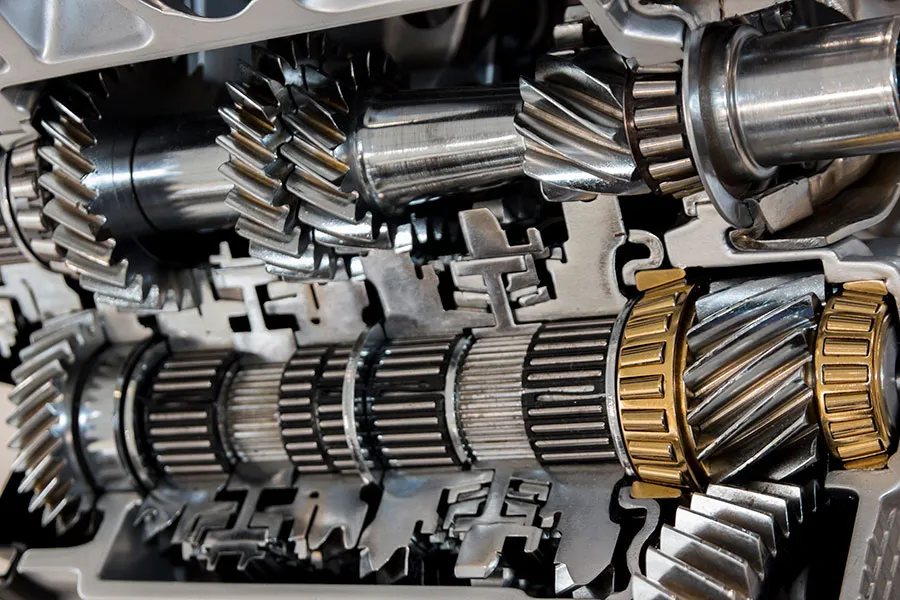
Dual-Clutch Transmissions (DCT): Speed and Precision
Dual-clutch transmissions have gained popularity for their lightning-fast gear shifts and seamless power delivery. Featuring two separate clutches—one for odd gears and another for even—these systems pre-select the next gear, reducing shift times to mere milliseconds. Brands like Porsche with its PDK system and Volkswagen with DSG showcase how DCTs offer sports-car-level performance while maintaining fuel efficiency, making them a favorite in both high-performance and everyday vehicles.
Continuously Variable Transmissions (CVT): Smooth Efficiency
Unlike traditional gearboxes with fixed ratios, CVTs use a pulley system to provide an infinite range of gear ratios, ensuring the engine operates at peak efficiency at all times. Nissan and Toyota have championed CVTs in models like the Rogue and Prius, offering smooth acceleration and improved fuel economy. This technology excels in hybrid vehicles, where it optimizes the balance between electric and combustion power for maximum efficiency.
Automated Manual Transmissions (AMT): Affordable Automation
AMTs combine the simplicity of a manual gearbox with automated shifting, eliminating the clutch pedal while keeping costs low. Widely used in budget-friendly cars from manufacturers like Hyundai and Maruti Suzuki, AMTs appeal to drivers seeking convenience without the complexity of a full automatic. Though less refined than DCTs or CVTs, their affordability and fuel efficiency make them a practical choice in emerging markets.
Challenges of Advanced Gearboxes
While these technologies offer significant benefits, they’re not without drawbacks. DCTs, for instance, can be expensive to repair due to their complexity, and CVTs often face criticism for a “rubber band” feel during acceleration, which some drivers find unengaging. AMTs may suffer from slower shift speeds and a less polished driving experience. Additionally, integrating these systems with electrified powertrains requires precise engineering to maintain reliability and performance.
The Future of Transmission Tech
Looking ahead, gearbox technology is evolving to meet the demands of electric and hybrid vehicles. Single-speed transmissions tailored for EVs, like those in Tesla models, prioritize simplicity and torque delivery, while multi-speed gearboxes are being explored to enhance range and efficiency. Innovations like torque-vectoring transmissions, which distribute power dynamically between wheels, promise to elevate handling in performance cars.
Conclusion
Advanced gearboxes are at the heart of modern automotive progress, blending efficiency, performance, and adaptability to suit diverse driving needs. Whether it’s the rapid shifts of a DCT, the seamless flow of a CVT, or the cost-effectiveness of an AMT, these systems are driving the industry forward. For deeper insights into gearbox trends and automotive advancements, visit the Car Magazine website at carsmagz.ir, a reliable hub for car enthusiasts.