Martial arts, an ancient practice with roots across various cultures, is more than just a system of combat techniques. It’s a pathway to self-improvement that empowers individuals, fostering discipline, strength, and resilience. This transformative journey reshapes not only the body but also the mind and spirit, making martial arts a holistic approach to personal development.
The Philosophy of Martial Arts
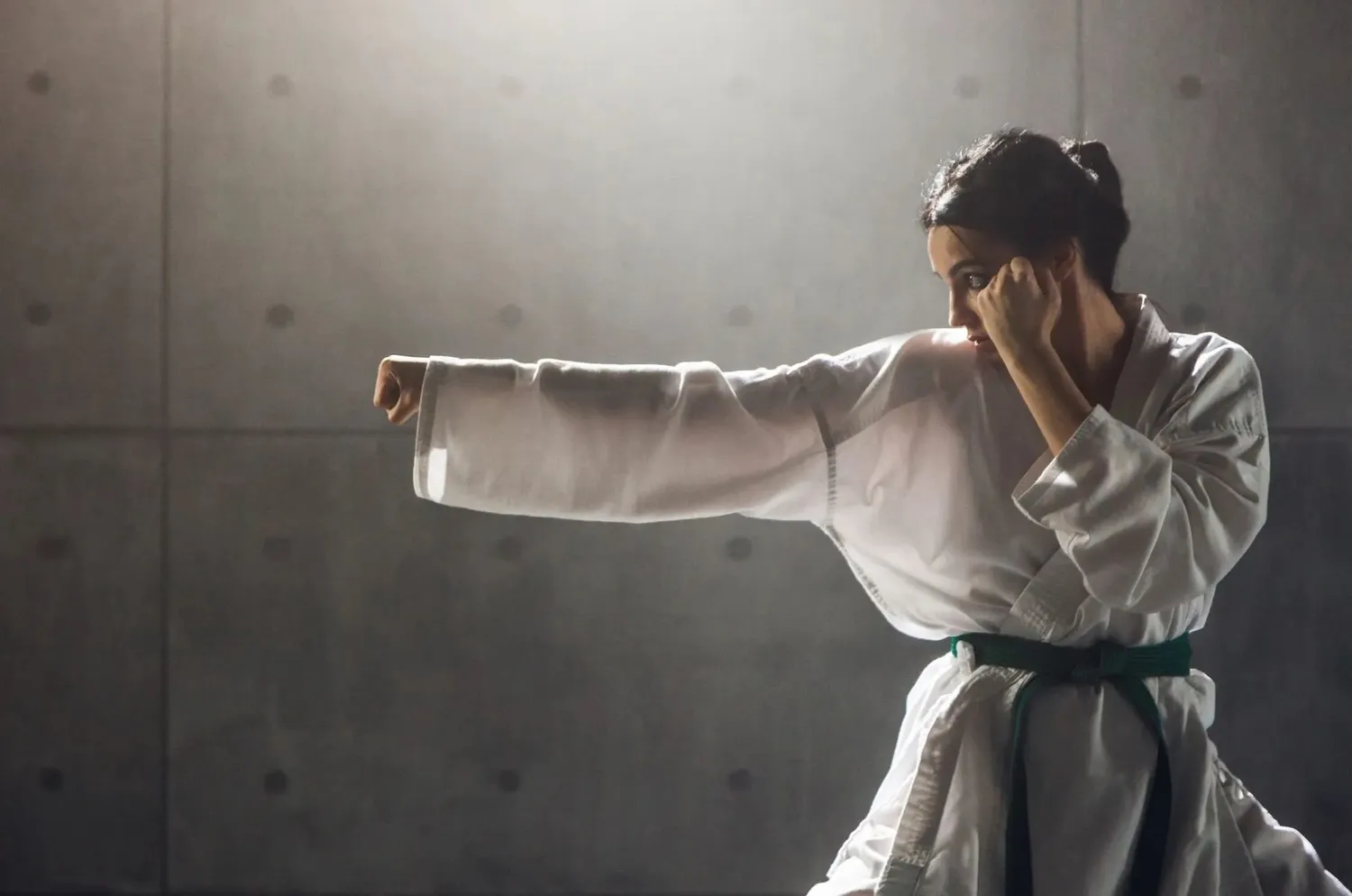
Central to martial arts is a deep-seated philosophy that emphasizes respect, humility, and patience. Practitioners are taught to honor their instructors, opponents, and themselves, creating a respectful environment that transcends the dojo. This philosophy extends beyond physical training, impacting everyday life by encouraging a balanced and respectful approach to challenges and interactions.
Discipline and Perseverance
Martial arts demand a high level of discipline. Regular training sessions, repetitive drills, and adherence to strict protocols develop a strong sense of dedication and commitment. This discipline is not only physical but mental, requiring practitioners to push through challenges, overcome failures, and continuously strive for improvement. The perseverance learned on the mat often translates into other areas of life, enabling individuals to tackle personal and professional challenges with the same steadfast determination.

Physical and Mental Strength
The physical benefits of martial arts are evident. Improved strength, flexibility, agility, and overall fitness are direct outcomes of consistent practice. However, the mental strength gained is equally significant. Martial arts cultivate focus, concentration, and a heightened sense of awareness. As practitioners advance, they learn to control their emotions, particularly anger and fear, leading to a more centered and peaceful state of mind.
Self-Defense and Empowerment
Martial arts are well-known for their self-defense techniques. Learning these skills instills confidence, empowering individuals to feel safer and more capable of protecting themselves and others. This sense of empowerment extends beyond physical confrontations, fostering a mindset that is prepared to face life’s challenges head-on.

Community and Belonging
Joining a martial arts school introduces individuals to a community of like-minded people. This sense of belonging and camaraderie is a significant aspect of martial arts training. Practitioners support and motivate each other, creating an inclusive environment that celebrates diversity and teamwork. For many, the dojo becomes a second home, a place where they are accepted, respected, and valued. Check out here to know more about gym martial arts.
The Transformative Impact
The transformative impact of martial arts is profound. Practitioners often report significant improvements in their personal and professional lives. Enhanced focus and discipline lead to better performance at work or school, while the physical training promotes a healthier lifestyle. Additionally, the sense of community and belonging helps alleviate feelings of isolation and builds strong, supportive relationships.
Conclusion
Martial arts offer a unique blend of physical, mental, and emotional development. This ancient practice is not just about fighting; it's a journey of self-discovery and empowerment. Through discipline, strength, and perseverance, individuals learn to face life’s challenges with confidence and resilience. As a pathway to personal growth, martial arts have the power to transform lives, making them a valuable pursuit for anyone seeking to better themselves.