Concrete demolition is a crucial aspect of construction and renovation projects, whether it’s removing old structures, preparing a site for new builds, or refurbishing existing foundations. However, it’s a task that requires precision, the right tools, and most importantly, safety precautions to avoid accidents and ensure a smooth workflow. In this article, we’ll explore the best tools and techniques for safe concrete demolition, with a focus on both efficiency and safety.
Introduction to Concrete Demolition
Concrete demolition is the process of breaking down or removing concrete structures, such as walls, floors, or foundations. This can be necessary for various reasons, including renovations, building expansions, or the removal of outdated or damaged concrete.
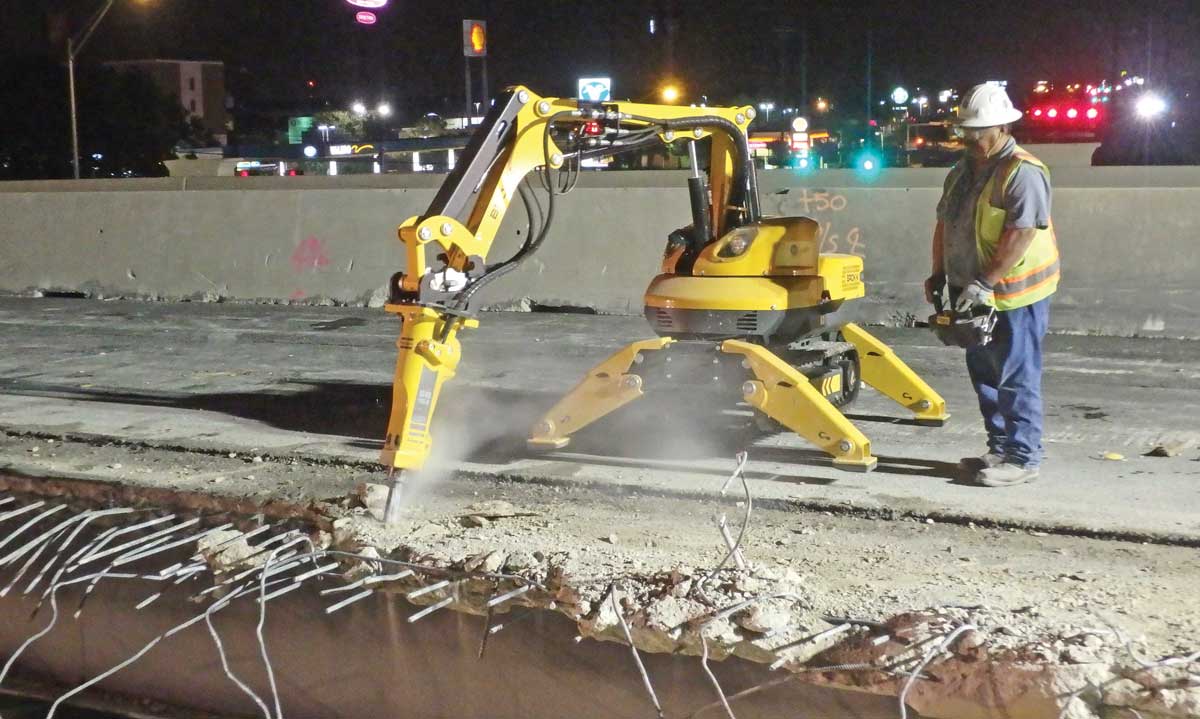
Safety is a top priority during concrete demolition due to the potential for injury from falling debris, equipment malfunctions, or dust inhalation. The process can involve significant physical labor and the use of heavy machinery, which makes it essential to prioritize the well-being of everyone involved, from workers to nearby individuals.
Overview of Concrete Demolition Tools
Several tools are commonly used in concrete demolition. The right tool depends on the type of demolition needed, the size of the project, and the level of precision required. Below are the most commonly used tools for concrete demolition:
1. Jackhammers
Jackhammers, or pneumatic drills, are powerful tools that use compressed air or electricity to break up concrete. These tools are ideal for smaller demolition tasks or when you need to break through thick concrete in a controlled manner. Jackhammers come in various sizes and are versatile, able to tackle floors, walls, and even roadways.
Benefits:
- Portable and relatively easy to operate
- Can break concrete in confined spaces
- Suitable for smaller-scale projects
2. Concrete Saws
Concrete saws are used for cutting concrete into smaller, more manageable pieces. These saws typically feature diamond blades, which can cut through even the toughest concrete. Concrete saws are commonly used for slicing through walls, floors, and pavement.
Benefits:
- Precise cutting capabilities
- Can be used for both horizontal and vertical cuts
- Available in various sizes, including handheld versions and large, walk-behind models
3. Hydraulic Breakers
Hydraulic breakers, also known as rock breakers, are large, powerful tools mounted on excavators or backhoes. They are used to break down large sections of concrete quickly and efficiently. Hydraulic breakers are ideal for large-scale demolition projects.
Benefits:
- High-impact force capable of breaking large concrete slabs
- Fast and efficient for large demolition areas
- Operates with minimal vibrations, reducing operator fatigue
4. Demolition Robots
For highly complex or hazardous demolition work, demolition robots are gaining popularity. These remote-controlled machines can break up concrete and remove debris without requiring human workers to be in dangerous proximity to the work area.
Benefits:
- Increased safety due to remote operation
- Ideal for confined spaces or challenging environments
- Highly efficient for controlled demolition tasks
Safety Precautions
Concrete demolition can pose several risks, including flying debris, equipment accidents, and exposure to hazardous materials like asbestos or lead. Below are essential safety measures to follow before, during, and after the demolition process:
Before Demolition:
- Hazard Assessment: Conduct a thorough assessment of the site to identify potential risks. Look for electrical wires, gas lines, and structural weaknesses that could pose dangers.
- Protective Gear: Workers should wear personal protective equipment (PPE) such as hard hats, safety goggles, steel-toed boots, high-visibility clothing, hearing protection, and gloves. Respirators or dust masks may also be necessary to protect against airborne contaminants.
- Site Preparation: Clear the area of non-essential personnel and ensure proper barricades are in place to prevent unauthorized access to hazardous zones.
During Demolition:
- Equipment Handling: Ensure all demolition equipment is in good working condition and operated by trained professionals. Regularly check hydraulic breakers, jackhammers, and saws for potential malfunctions.
- Dust Control: Use water sprays or dust suppression systems to minimize the inhalation of concrete dust, which can be harmful to lungs over time.
- Debris Management: Have a plan for managing debris to avoid accidents. Ensure the debris is disposed of properly and avoid stockpiling materials near demolition areas.
After Demolition:
- Cleanup: Clear the site of debris and rubble promptly to prevent tripping hazards and ensure the site is ready for the next stage of construction.
- Post-Demolition Safety Check: Conduct a final inspection to ensure all hazards have been mitigated and that the area is secure before beginning any new construction work.
Techniques for Effective Demolition
To ensure the demolition is both effective and safe, several techniques should be followed. The method chosen often depends on the scale of the project, the type of concrete, and the equipment available.
Mechanical Demolition:
This method involves using heavy machinery such as excavators, backhoes, or hydraulic breakers to crush and break the concrete. Mechanical demolition is efficient and fast, ideal for large areas like roads or concrete structures. However, it requires precise control to avoid damaging surrounding areas.
Best Practices:
- Start with smaller or weaker sections of concrete to ensure the machinery is not overloaded.
- Use the right attachment for the task (e.g., a hydraulic breaker for large slabs).
- Ensure the machinery operator is trained to handle the equipment safely.
Manual Demolition:
For smaller-scale demolition projects or when precise control is necessary, manual techniques are often employed. This involves using tools like hammers, chisels, or jackhammers to break down the concrete by hand.
Best Practices:
- Work in teams to reduce the time and effort required.
- Focus on controlled demolition, breaking small sections at a time.
- Always maintain a safe distance from equipment to avoid accidents.
Environmental Considerations
Concrete demolition is not just about breaking down materials; it’s also about managing waste responsibly. Demolition projects produce large amounts of rubble, which can contribute to environmental pollution if not managed properly.
Waste Management:
- Recycling Concrete: Many demolition companies are now focused on recycling concrete by crushing it and repurposing it for new construction projects, such as roadbeds or new concrete mixtures.
- Disposal of Hazardous Materials: Concrete may contain hazardous materials like asbestos or lead paint. It’s essential to properly identify and dispose of these materials in accordance with local regulations.
By focusing on waste management and recycling, demolition contractors can reduce the environmental impact and contribute to more sustainable construction practices.
Conclusion
Concrete demolition is a demanding yet essential process in construction, requiring the right tools, techniques, and safety measures to ensure both efficiency and safety. The use of proper tools such as jackhammers, concrete saws, and hydraulic breakers helps break down concrete efficiently. However, these tools should always be paired with strict safety precautions to protect workers from hazards like falling debris and dust exposure.