Construction sites generate various types of waste, some of which can be classified as hazardous. This includes materials such as solvents, adhesives, treated wood, asbestos, lead-based paints, and other potentially harmful substances. Improper handling and disposal of these materials pose serious risks to human health and the environment, potentially contaminating soil, water, and air. Effective hazardous waste management is not only essential for regulatory compliance but also for fostering a safer work environment and promoting sustainability. By adopting a proactive approach, construction firms can mitigate risks, reduce liability, and contribute to environmental conservation.
1. Understand Hazardous Waste Regulations
Compliance with local, state, and national hazardous waste regulations is a critical first step. Construction companies must familiarize themselves with the relevant laws, such as guidelines for proper labeling, storage, transportation, and disposal. These laws often require site managers to maintain thorough records of all hazardous waste materials, their handling procedures, and disposal methods. Failure to comply can result in significant fines and reputational damage, so engaging in regular compliance training and audits is advisable.
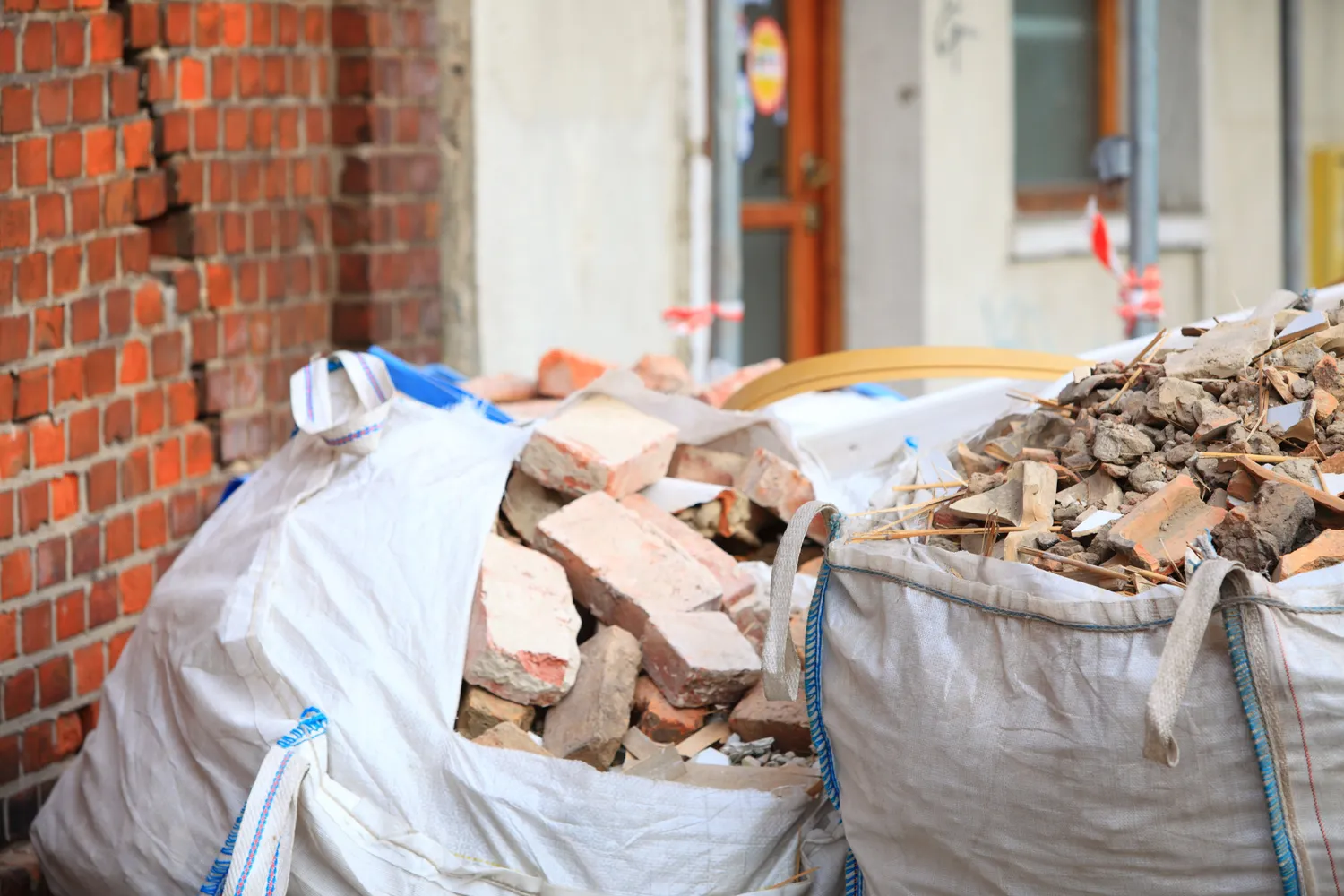
2. Conduct a Waste Audit
A waste audit helps identify the types and quantities of hazardous materials generated on-site. This process involves cataloging all materials used, assessing their potential risks, and determining appropriate handling measures. Waste audits also help in identifying opportunities to reduce hazardous waste generation, such as substituting less toxic materials or optimizing processes to minimize waste. Documenting audit findings ensures that all personnel understand the site’s waste management needs.
3. Implement a Waste Management Plan
A robust waste management plan tailored to the specific needs of the construction site is vital. The plan should outline procedures for the segregation, storage, labeling, transportation, and disposal of hazardous materials. Clear instructions should be provided for emergency response protocols in case of spills or leaks. All personnel should be trained on the waste management plan to ensure consistency and effectiveness.
4. Segregate Waste Properly
Proper segregation of hazardous and non-hazardous waste is crucial to prevent cross-contamination and ensure safe handling. Dedicated storage areas with clear signage should be established for different types of hazardous waste. Containers must be appropriately labeled and sealed to avoid accidental exposure. Additionally, incompatible materials, such as acids and bases, should be stored separately to prevent dangerous chemical reactions.

5. Use Approved Containers and Storage Facilities
Hazardous waste must be stored in containers that meet regulatory standards for durability and leak resistance. Storage facilities should be designed to prevent spills, with features like secondary containment systems, fire-resistant structures, and ventilation to minimize risks. Regular inspections of storage areas help identify potential hazards and ensure that containers remain in good condition.
6. Train Workers in Hazardous Waste Handling
Comprehensive training for all site personnel is essential to ensure safe and efficient waste management. Training programs should cover topics such as the identification of hazardous materials, proper handling techniques, use of personal protective equipment (PPE), and emergency response procedures. Refresher training should be conducted periodically to address updates in regulations or changes in site operations. Click on this page to know more.
7. Partner with Licensed Disposal Facilities
Hazardous waste must be disposed of through licensed facilities that comply with environmental regulations. Collaborating with reputable disposal partners ensures that waste is treated, recycled, or disposed of in an environmentally responsible manner. Always verify the credentials of disposal companies to avoid liability for improper handling of waste after it leaves the construction site.

8. Minimize Waste Generation
Reducing hazardous waste at its source is the most sustainable approach. Construction sites can achieve this by adopting practices such as using non-toxic or low-toxicity materials, ordering materials in precise quantities to minimize leftovers, and implementing recycling programs for materials like solvents and paints. Innovative techniques like prefabrication can also help reduce waste during construction.
9. Monitor and Review Management Practices
Continuous monitoring and review of waste management practices are crucial for maintaining effectiveness and compliance. Conduct regular site inspections, review incident reports, and solicit feedback from workers to identify areas for improvement. Staying informed about advancements in waste management technologies and methods can also enhance efficiency.
10. Promote a Culture of Responsibility
Fostering a culture of environmental responsibility ensures that hazardous waste management becomes an integral part of daily operations. Encourage workers to report issues, suggest improvements, and actively participate in waste reduction efforts. Leadership commitment to these principles reinforces their importance and inspires site-wide adherence.
By following these best practices, construction sites can ensure safer operations, protect the environment, and maintain compliance with regulatory standards. Effective hazardous waste management is not only a legal obligation but also a critical component of sustainable construction practices.