Creating a sustainable living or working environment begins with mindful choices, and one of the most impactful decisions is the type of flooring used. Traditional flooring materials, such as vinyl or non-certified hardwood, often contribute to deforestation, chemical pollution, and a larger carbon footprint. As awareness of environmental issues grows, eco-friendly flooring alternatives have gained popularity, offering not only a reduced ecological impact but also healthier indoor air quality. Sustainable flooring options are designed to be durable, low-maintenance, and visually appealing, making them suitable for both residential and commercial spaces. Choosing materials that are responsibly sourced or recyclable can significantly contribute to reducing waste and conserving natural resources. Moreover, many of these alternatives are produced using non-toxic adhesives and finishes, reducing exposure to harmful volatile organic compounds (VOCs) in indoor environments. By selecting eco-conscious flooring, homeowners and businesses alike can demonstrate a commitment to environmental stewardship while creating spaces that are aesthetically pleasing and long-lasting. With a growing variety of materials available, there is a suitable choice for nearly every style and function.
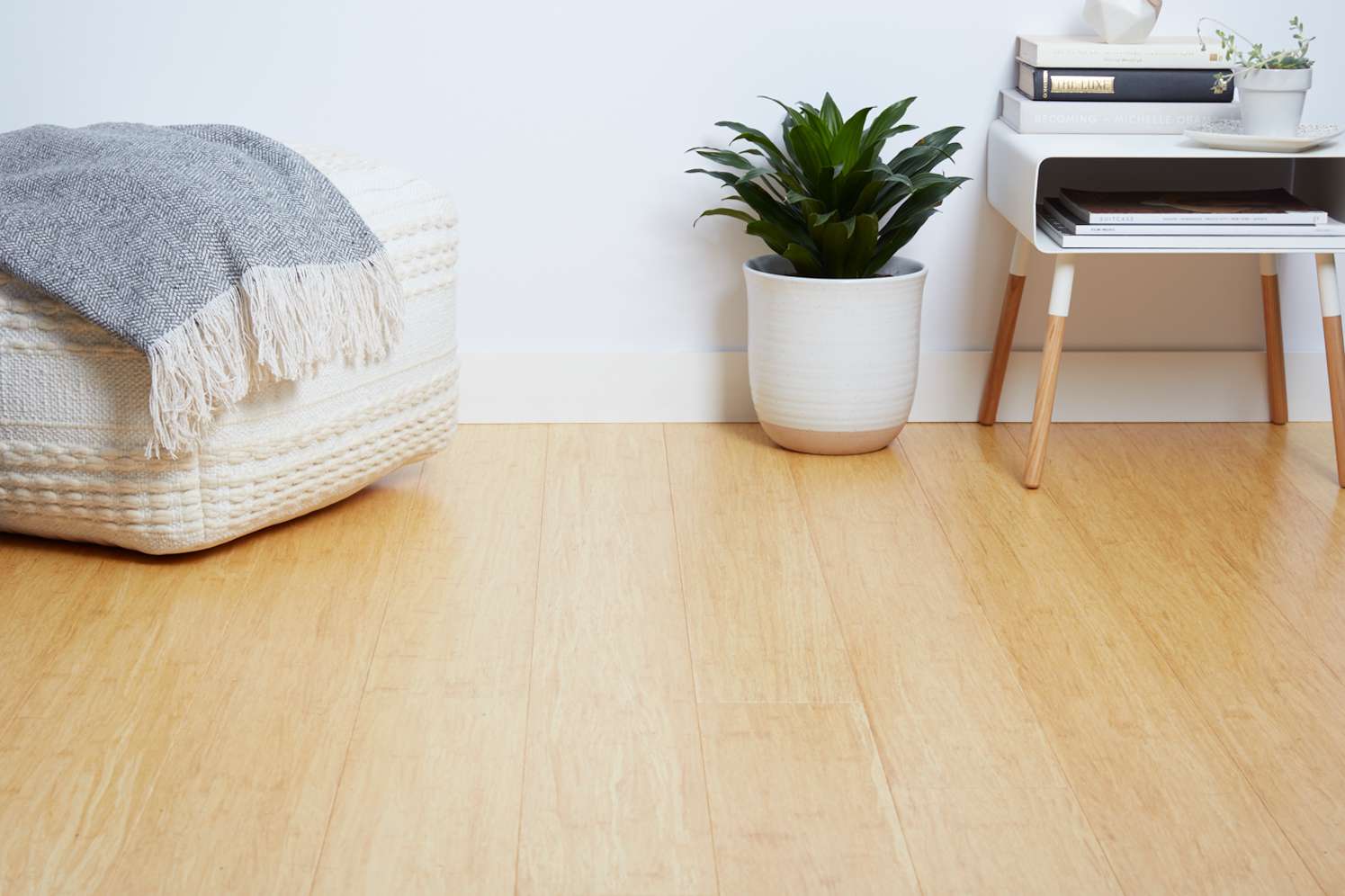
Bamboo Flooring
Bamboo is one of the most well-known sustainable flooring options due to its rapid growth cycle. Unlike traditional hardwood trees that can take decades to mature, bamboo reaches harvestable size in three to five years, making it a highly renewable resource. Bamboo flooring is also durable and resistant to moisture when properly treated, making it suitable for high-traffic areas in both homes and offices. Additionally, its natural beauty and variety of finishes allow for versatile design possibilities, from contemporary to classic styles. Choosing bamboo that is certified by recognized sustainability programs ensures that the cultivation and harvesting practices are environmentally responsible.
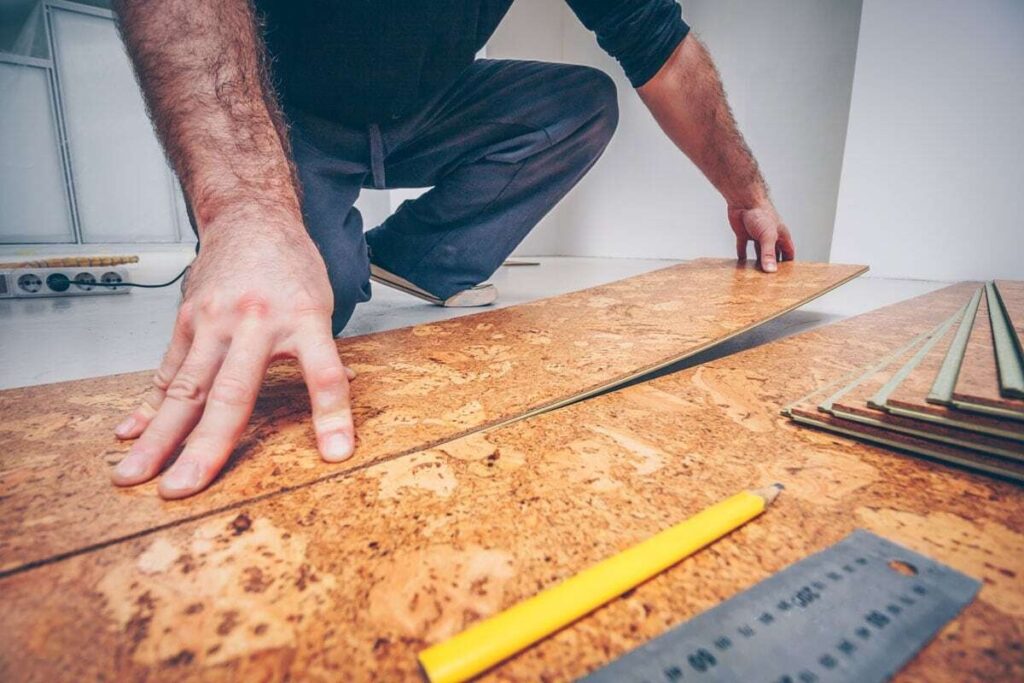
Cork Flooring
Cork is harvested from the bark of cork oak trees without cutting down the tree itself, allowing the bark to regenerate naturally. This makes cork a renewable and low-impact flooring material. Cork provides natural insulation, both thermal and acoustic, helping to reduce energy costs and noise pollution. It is also soft underfoot, making it comfortable for standing and walking over extended periods, which is particularly beneficial in office environments. Additionally, cork possesses antimicrobial properties and can contribute to improved indoor air quality by resisting mold and mildew. Its unique, textured appearance adds a warm and organic aesthetic to any space. Click Kings Carpets Ltd to know more.
Reclaimed Wood
Reclaimed wood flooring is another eco-friendly option that combines sustainability with character. Using salvaged wood from old buildings, barns, or factories reduces the demand for newly harvested timber and prevents waste from ending up in landfills. Reclaimed wood often features a distinctive patina and texture that cannot be replicated by new materials, offering a sense of history and authenticity. This type of flooring can be refinished to match modern interior design trends while maintaining its environmentally conscious profile. Its durability and versatility make it suitable for both residential and commercial projects.
Linoleum Flooring
Despite often being confused with vinyl, linoleum is made from natural, biodegradable materials such as linseed oil, wood flour, and cork dust. It is resilient, long-lasting, and available in a wide array of colors and patterns. Linoleum is naturally anti-bacterial and does not release harmful VOCs, making it a healthier choice for indoor environments. Its renewable composition and ease of maintenance make it an appealing option for sustainable flooring in kitchens, offices, and other high-traffic areas.
Conclusion
Selecting eco-friendly flooring options is a practical step toward creating a sustainable home or office. Materials such as bamboo, cork, reclaimed wood, and linoleum not only reduce environmental impact but also offer durability, comfort, and aesthetic versatility. By prioritizing renewable, recyclable, and non-toxic materials, individuals and businesses can support environmental conservation while enhancing indoor spaces. Investing in sustainable flooring is a decision that benefits both people and the planet, contributing to a healthier, greener future without compromising style or functionality.