A leaking roof can be a homeowner’s nightmare, causing stress, damage, and potentially costly repairs. If you're dealing with a leaking roof, don't panic. There are effective solutions available to fix the problem and prevent future issues.
Identifying the Source of the Leak
The first step in addressing a leaking roof is identifying the source of the leak. Common causes include damaged shingles, cracked flashing, or worn-out underlayment. Inspect your roof for visible signs of damage, such as missing shingles or water stains on your ceiling.
Roof Leaks Repair Products
Once you've identified the source of the leak, it's time to choose the right roof leaks repair products. There are various options available, each designed to address specific types of damage:
Roof Sealant: Ideal for small cracks and leaks. It's easy to apply and provides a quick fix.
Roof Patch: Suitable for larger areas of damage. These patches are durable and can extend the life of your roof.
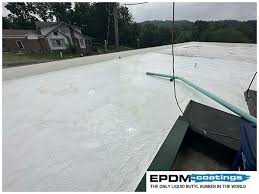
EPDM Coatings: These are highly effective for flat roofs or roofs with low slopes. EPDM (Ethylene Propylene Diene Monomer) is a synthetic rubber roofing membrane that offers excellent durability and weather resistance.
Leaking Roof Repair: Step-by-Step
Here’s a simple guide to help you carry out a leaking roof repair:
Safety First: Ensure you have a stable ladder and wear appropriate safety gear. It’s always best to have someone assist you.
Clean the Area: Remove any debris around the damaged area to ensure the repair product adheres properly.
Apply the Product: Follow the manufacturer’s instructions for the roof leaks repair product you’re using. Apply it evenly over the damaged area.
Let it Cure: Allow the repair to cure completely before exposing it to water or heavy traffic.
Preventative Measures
To avoid future leaks, regular roof maintenance is key. Here are some tips:
Regular Inspections: Check your roof at least twice a year, especially after severe weather.
Clean Gutters: Clogged gutters can cause water to back up and seep under your roof.
Trim Overhanging Branches: This prevents branches from damaging your roof and allows sunlight to dry any moisture.
When to Call a Professional
While DIY repairs are great for minor leaks, some situations require professional intervention. If your roof is old, the damage is extensive, or you’re unsure about the repair process, it’s best to hire a professional roofer. They have the expertise and tools to ensure your roof is repaired correctly and safely.
Conclusion
Dealing with a leaking roof can be daunting, but with the right approach and products, you can fix it effectively. Remember to choose the appropriate roof leaks repair products and follow the repair steps carefully. Regular maintenance will help you prevent future leaks and keep your home protected. For more information and high-quality repair products, visit EPDM Coatings.