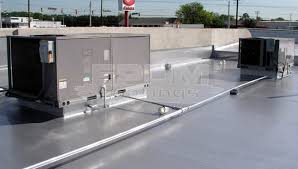
Welcome to the ultimate guide on EPDM roofing systems! If you're considering a roofing solution that offers durability, affordability, and eco-friendliness, EPDM (Ethylene Propylene Diene Monomer) roofing might be the perfect choice for you. In this comprehensive guide, we'll delve into the benefits, installation process, and maintenance tips for EPDM roofs, providing you with all the information you need to make an informed decision.
Understanding EPDM Roofing
EPDM roofing is a synthetic rubber roofing membrane widely used in low-slope buildings. It's known for its exceptional durability and weather resistance, making it suitable for various climates and environments. EPDM is available in two primary types: black EPDM and white EPDM, each offering unique advantages.
Benefits of EPDM Roofing
Durability: EPDM roofs have a long lifespan, often lasting 30 years or more with proper maintenance.
Affordability: Compared to other roofing materials like asphalt or metal, EPDM is cost-effective both in terms of installation and maintenance.
Weather Resistance: EPDM is highly resistant to hail, UV radiation, ozone, and extreme temperatures, ensuring reliable performance in harsh weather conditions.
Flexibility: The rubber membrane can expand and contract with temperature fluctuations without cracking or tearing, making it ideal for regions with significant temperature variations.
Easy Installation: EPDM roofing can be installed quickly and efficiently, reducing labor costs and downtime for building owners.
Installation Process
Installing an EPDM roofing system requires careful preparation and attention to detail. Here's an overview of the installation process:
Surface Preparation: Ensure the roof deck is clean, smooth, and free of debris before installation.
Membrane Application: Roll out the EPDM membrane over the roof surface, ensuring proper alignment and overlap between sheets.
Adhesive Application: Use a compatible adhesive to secure the membrane to the roof deck, ensuring a watertight seal.
Seam Sealing: Seal any seams or overlaps using EPDM seam tape or adhesive to prevent water infiltration.
Flashing Installation: Install flashing around roof penetrations, edges, and corners to reinforce waterproofing and prevent leaks.
Final Inspection: Conduct a thorough inspection to check for any defects or imperfections before completing the installation.
Maintenance Tips for EPDM Roofing
To maximize the lifespan and performance of your EPDM roof, follow these maintenance tips:
Regular Inspections: Inspect the roof at least twice a year for signs of damage, including tears, punctures, or seam separation.
Cleaning: Keep the roof surface clean and free of debris to prevent mold, algae, and debris buildup.
Sealant Application: Periodically inspect and reapply sealants around flashing and seams to maintain waterproofing integrity.
Prompt Repairs: Address any issues or damage promptly to prevent minor problems from escalating into costly repairs.
Professional Maintenance: Consider hiring a professional roofing contractor for annual maintenance and inspections to ensure your EPDM roof remains in optimal condition.
Conclusion:
EPDM roofing systems offer a host of benefits, including durability, affordability, and weather resistance, making them an excellent choice for both residential and commercial applications. By understanding the installation process and following proper maintenance guidelines, you can ensure your EPDM roof provides reliable protection and peace of mind for years to come. Whether you're building a new structure or replacing an existing roof, consider the many advantages of EPDM roofing for your next project.