Choosing the perfect flooring for your home is one of the most important design decisions you’ll make, as it sets the tone for every room and impacts comfort, maintenance, and long-term value. The right flooring should balance style with functionality, complement your lifestyle, and withstand daily wear and tear. With so many materials, colors, textures, and finishes available, the process can quickly feel overwhelming. From cozy living rooms to moisture-prone bathrooms, each space has unique requirements that influence the best choice. Budget, durability, climate, and household traffic also play a significant role in narrowing down your options. Taking the time to understand your needs will help you avoid costly mistakes and ensure lasting satisfaction. By approaching the decision strategically, you can find flooring that enhances both the beauty and practicality of your home. This guide will walk you through the essential factors to consider before making your final selection.
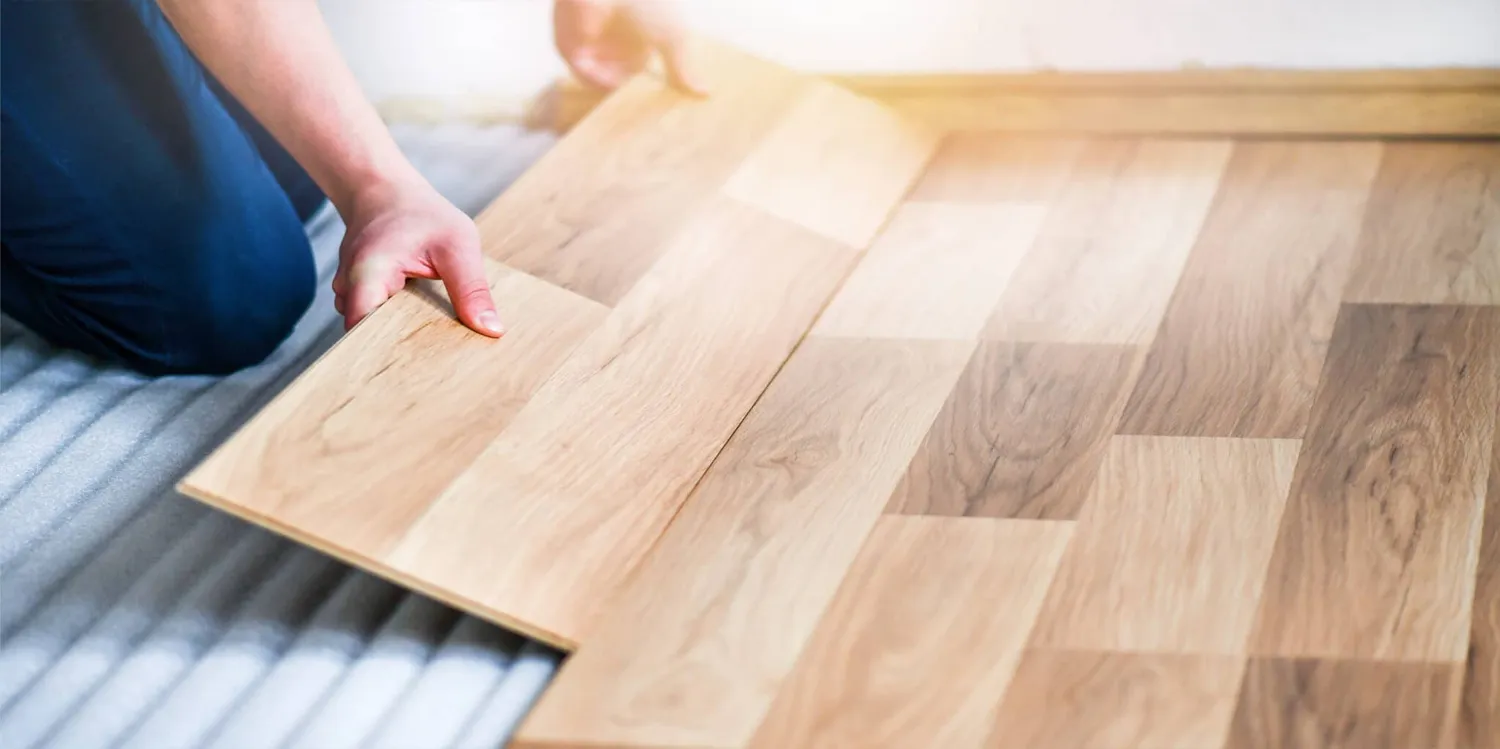
Understand Your Lifestyle and Household Needs
Before diving into materials and styles, evaluate how your home functions on a daily basis. High-traffic households with children or pets require durable, scratch-resistant, and easy-to-clean surfaces. If comfort is a priority, especially in bedrooms or family rooms, softer flooring options may be more suitable. Allergy concerns can also influence your decision, as some surfaces trap less dust and allergens than others. Additionally, consider how much time you are willing to dedicate to maintenance. Some flooring types demand regular sealing or refinishing, while others require minimal upkeep. By aligning your flooring choice with your lifestyle, you ensure practicality without sacrificing aesthetics.
Explore Different Flooring Materials
Each flooring material offers unique advantages and limitations. Hardwood provides timeless elegance and can increase home value, but it may be sensitive to moisture and scratches. Engineered wood offers a similar appearance with added stability. Laminate and vinyl surfaces are known for their affordability, durability, and resistance to moisture, making them suitable for kitchens and entryways. Tile is highly water-resistant and ideal for bathrooms and laundry areas, while natural stone delivers a luxurious feel with proper care. Carpet remains a popular option for adding warmth and comfort underfoot, especially in bedrooms. Understanding the characteristics of each material helps you match the right surface to the right space.

Consider Room Function and Environment
Different rooms demand different performance features from flooring. Kitchens and bathrooms are exposed to spills and humidity, so moisture resistance is crucial. Basements may require flooring that can handle temperature fluctuations and occasional dampness. Living rooms and dining areas often benefit from durable yet visually appealing materials that can withstand furniture movement. Bedrooms typically prioritize comfort and warmth, while home offices may need surfaces that support rolling chairs. Climate also plays a role; regions with high humidity or extreme temperature changes may impact certain materials more than others. Carefully assessing the environmental conditions of each room ensures long-term durability and performance. Click here to know more about flooring.
Balance Style, Color, and Design
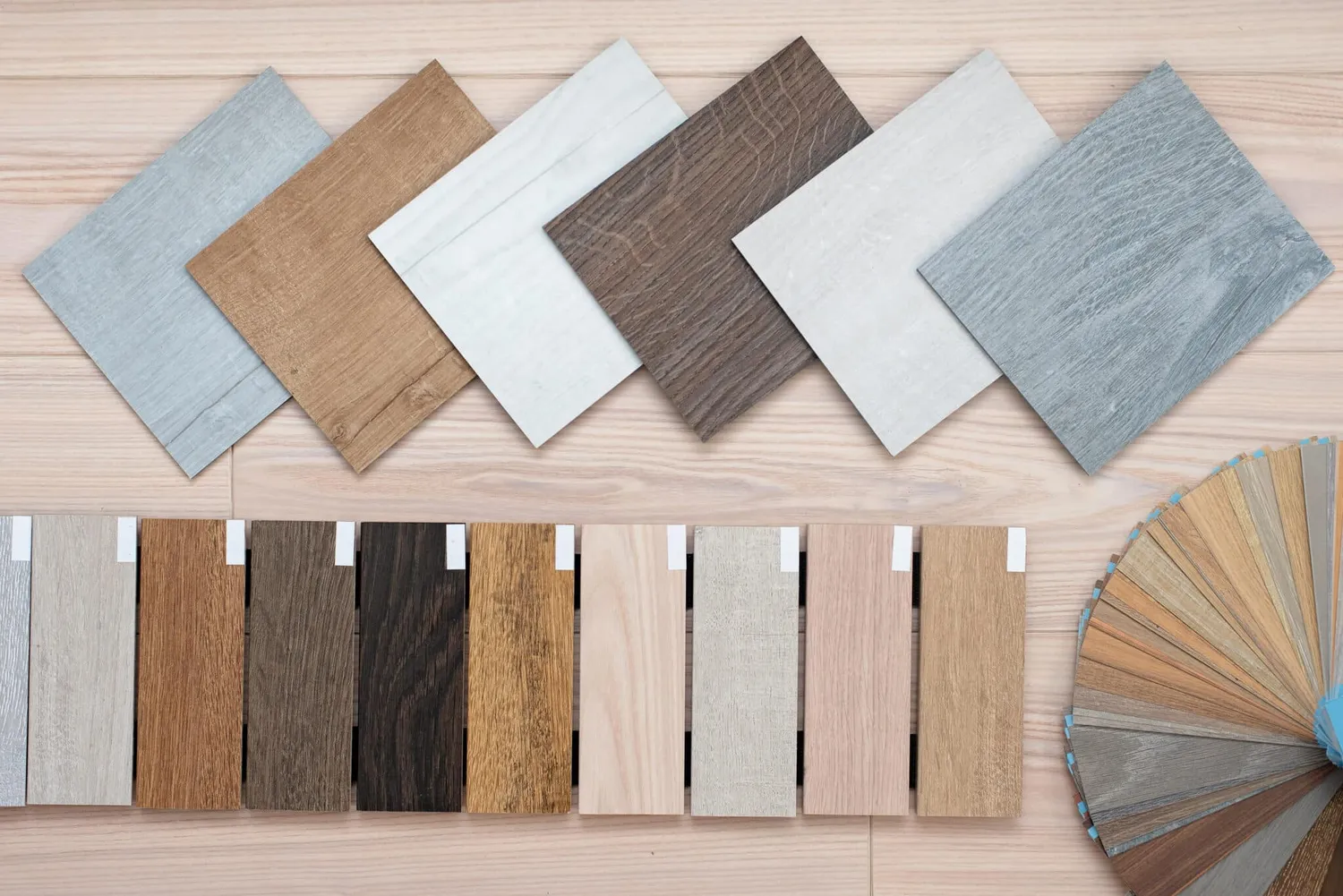
Flooring serves as the foundation of your interior design, influencing wall colors, furniture choices, and overall ambiance. Light-colored floors can make small spaces feel larger and more open, while darker tones create warmth and sophistication. Texture and finish also contribute to the final look, whether you prefer a sleek modern aesthetic or a rustic charm. Consider how natural and artificial lighting will interact with the flooring throughout the day. Consistency in flooring across open-concept areas can create a seamless flow, while mixing materials between rooms can define separate spaces. Selecting a style that complements your décor ensures a cohesive and inviting atmosphere.
Set a Realistic Budget and Think Long Term
While upfront cost is an important factor, it should not be the only consideration. Installation expenses, underlayment, maintenance, and potential repairs all contribute to the total investment. Higher-quality materials may cost more initially but can offer greater durability and longevity, saving money over time. It is also wise to factor in future resale value, as certain flooring types are more appealing to buyers. Request samples and compare warranties before making a final decision. By balancing budget with performance and style, you can confidently choose flooring that meets your needs today and continues to enhance your home for years to come.