Antifungal medications play a critical role in treating a wide range of fungal infections, from superficial skin conditions to severe systemic infections. Among the available antifungal agents, Itraconazole has established itself as one of the most effective broad-spectrum therapies due to its activity against various fungal pathogens. However, the effectiveness of any antifungal medication depends not only on the active pharmaceutical ingredient but also on the formulation technology used for drug delivery.
In recent years, Itraconazole IR Pellets have gained significant popularity over traditional antifungal formulations because of their improved performance, enhanced drug release characteristics, and formulation flexibility. As pharmaceutical companies seek reliable and high-quality pellet suppliers, many global buyers increasingly collaborate with trusted Itraconazole IR Pellets Exporters to support their product development and manufacturing requirements.
This article provides a comprehensive comparison between Itraconazole IR Pellets and conventional antifungal formulations, highlighting their advantages, manufacturing processes, applications, and market relevance.
Understanding Itraconazole IR Pellets
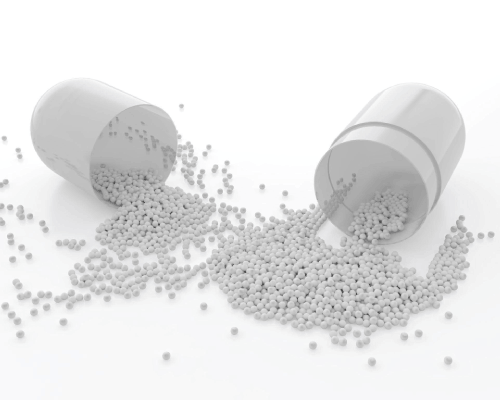
Itraconazole IR (Immediate Release) Pellets are multiparticulate drug delivery systems designed to release the active ingredient rapidly after administration. These pellets consist of small spherical particles coated with Itraconazole and formulated to ensure consistent drug release and absorption.
Unlike conventional tablets or capsules that contain a single compressed dose, pellet-based systems distribute thousands of small units throughout the gastrointestinal tract, enabling more uniform drug delivery.
The primary goal of immediate-release pellet technology is to enhance dissolution and improve the bioavailability of Itraconazole, which is known for its poor water solubility.
What Are Traditional Antifungal Formulations?
Traditional antifungal formulations generally include:
- Conventional tablets
- Hard gelatin capsules
- Oral suspensions
- Topical creams and ointments
- Injectable preparations
While these formulations have been widely used for decades, they often face challenges related to drug dissolution, absorption variability, and patient compliance.
For poorly soluble drugs such as Itraconazole, conventional dosage forms may not always provide optimal therapeutic performance.
Key Differences Between Itraconazole IR Pellets and Traditional Formulations
1. Drug Release Characteristics
One of the most significant differences lies in how the drug is released.
Itraconazole IR Pellets
Immediate-release pellets are specifically designed to provide rapid dissolution and efficient absorption. The large surface area created by numerous pellets facilitates faster drug release within the gastrointestinal tract.
Traditional Formulations
Conventional tablets often dissolve more slowly and may exhibit inconsistent release profiles, particularly in patients with varying gastric conditions.
Advantage:
Itraconazole IR Pellets offer superior dissolution performance and more predictable drug delivery.
2. Bioavailability Enhancement
Bioavailability is a critical factor in determining the effectiveness of antifungal therapy.
Pellet-Based Formulations
The multiparticulate nature of pellets increases contact with gastrointestinal fluids, promoting better dissolution of poorly soluble drugs like Itraconazole.
Conventional Dosage Forms
Traditional tablets may experience incomplete dissolution, leading to reduced absorption and inconsistent therapeutic outcomes.
Advantage:
Pellet formulations generally provide improved bioavailability compared to conventional antifungal products.
3. Uniform Distribution in the Gastrointestinal Tract
After administration, pellets disperse throughout the digestive system.
Benefits Include:
- Reduced localized drug concentration
- Enhanced absorption surface area
- Improved therapeutic consistency
- Lower risk of gastrointestinal irritation
Traditional tablets remain as a single unit, limiting their distribution capabilities.
This advantage has contributed significantly to the growing demand for products supplied by experienced Itraconazole IR Pellets Exporters serving global pharmaceutical companies.
4. Manufacturing Flexibility
Modern pharmaceutical manufacturers prioritize formulation flexibility and scalability.
Itraconazole IR Pellets
Pellets can be:
- Filled into hard gelatin capsules
- Filled into HPMC capsules
- Used in combination products
- Incorporated into advanced drug delivery systems
Traditional Tablets
Conventional tablets offer fewer customization options once compressed.
Advantage:
Pellet technology provides greater formulation versatility and supports innovative dosage form development.
5. Dose Uniformity and Consistency
Dose uniformity is essential for maintaining therapeutic effectiveness.
Pellet Formulations
Each capsule contains thousands of individual pellets, ensuring highly consistent drug distribution.
Traditional Tablets
Any variation during compression can impact dose accuracy.
Advantage:
Pellet systems deliver better batch-to-batch consistency and dosage precision.
Manufacturing Process Comparison
Itraconazole IR Pellets Manufacturing
The production of immediate-release pellets involves several specialized stages:
Core Preparation
Uniform pellet cores are selected to ensure consistency.
Drug Layering
Itraconazole is applied onto the pellet cores using advanced coating technologies.
Functional Coating
Additional coatings may be applied to improve stability, flow properties, and release characteristics.
Drying and Quality Control
The pellets undergo controlled drying and rigorous testing before packaging.
Traditional Tablet Manufacturing
Tablet production typically includes:
- Powder blending
- Granulation
- Compression
- Coating
- Packaging
While tablet manufacturing is relatively straightforward, it may not offer the same level of control over dissolution and drug release as pellet technology.
Quality Parameters for Itraconazole IR Pellets
High-quality pellets undergo extensive testing to ensure compliance with international standards.
Key quality control parameters include:
Assay Testing
Measures active ingredient concentration.
Dissolution Testing
Confirms immediate-release performance.
Particle Size Distribution
Ensures uniform pellet dimensions.
Moisture Content
Supports product stability and shelf life.
Stability Studies
Evaluate product performance under various environmental conditions.
Leading Itraconazole IR Pellets Exporters maintain stringent quality assurance systems to ensure that every batch meets global pharmaceutical requirements.
Applications in Pharmaceutical Manufacturing
Itraconazole IR Pellets are widely used in:
Capsule Manufacturing
The most common application for commercial antifungal products.
Contract Manufacturing
Many pharmaceutical companies source ready-to-fill pellets to reduce production complexity.
Global Export Markets
Pellets are supplied to both regulated and semi-regulated markets worldwide.
Product Development Programs
Research and development teams utilize pellet technology to accelerate formulation development and market entry.
Why Pharmaceutical Companies Prefer Pellet Technology
The increasing adoption of pellet-based formulations can be attributed to several practical benefits:
Improved Product Performance
Enhanced dissolution and bioavailability improve therapeutic outcomes.
Faster Development Timelines
Ready-to-use pellets reduce formulation development efforts.
Cost Optimization
Companies can avoid investing in specialized pelletization equipment.
Regulatory Support
Established suppliers often provide technical documentation and regulatory assistance.
These advantages have strengthened the position of Itraconazole IR Pellets Exporters as valuable partners for pharmaceutical manufacturers worldwide.
Growing Global Demand for Itraconazole IR Pellets
The demand for advanced antifungal therapies continues to rise due to:
- Increasing prevalence of fungal infections
- Growing healthcare awareness
- Expansion of generic pharmaceutical markets
- Rising demand for high-quality oral dosage forms
As pharmaceutical companies seek reliable supply chains and innovative drug delivery systems, pellet technology is expected to play an increasingly important role in antifungal formulation development.
This trend has created significant opportunities for Itraconazole IR Pellets Exporters serving customers across Asia, Africa, Europe, Latin America, and the Middle East.
Conclusion
Itraconazole IR Pellets represent a significant advancement over traditional antifungal formulations. Their superior dissolution characteristics, improved bioavailability, uniform gastrointestinal distribution, and formulation flexibility make them a preferred choice for modern pharmaceutical manufacturing.
While conventional tablets and capsules continue to serve important roles in healthcare, pellet technology offers enhanced performance and greater opportunities for product innovation. As global demand for effective antifungal therapies grows, Itraconazole IR Pellets are expected to remain a key component of advanced pharmaceutical formulations, helping manufacturers deliver high-quality and reliable treatment options to patients worldwide.
Other Recommendations: Rabeprazole Sodium EC Pellets Exporters