Horses, with their majestic beauty and incredible strength, have been companions to humans for millennia. Just as with any other animal, their health and vitality are closely tied to their diet. Ensuring that a horse receives the right nutrients is paramount to its well-being. But what exactly should one feed a horse to keep it in peak condition?
1. Forage: The Foundation of a Horse's Diet
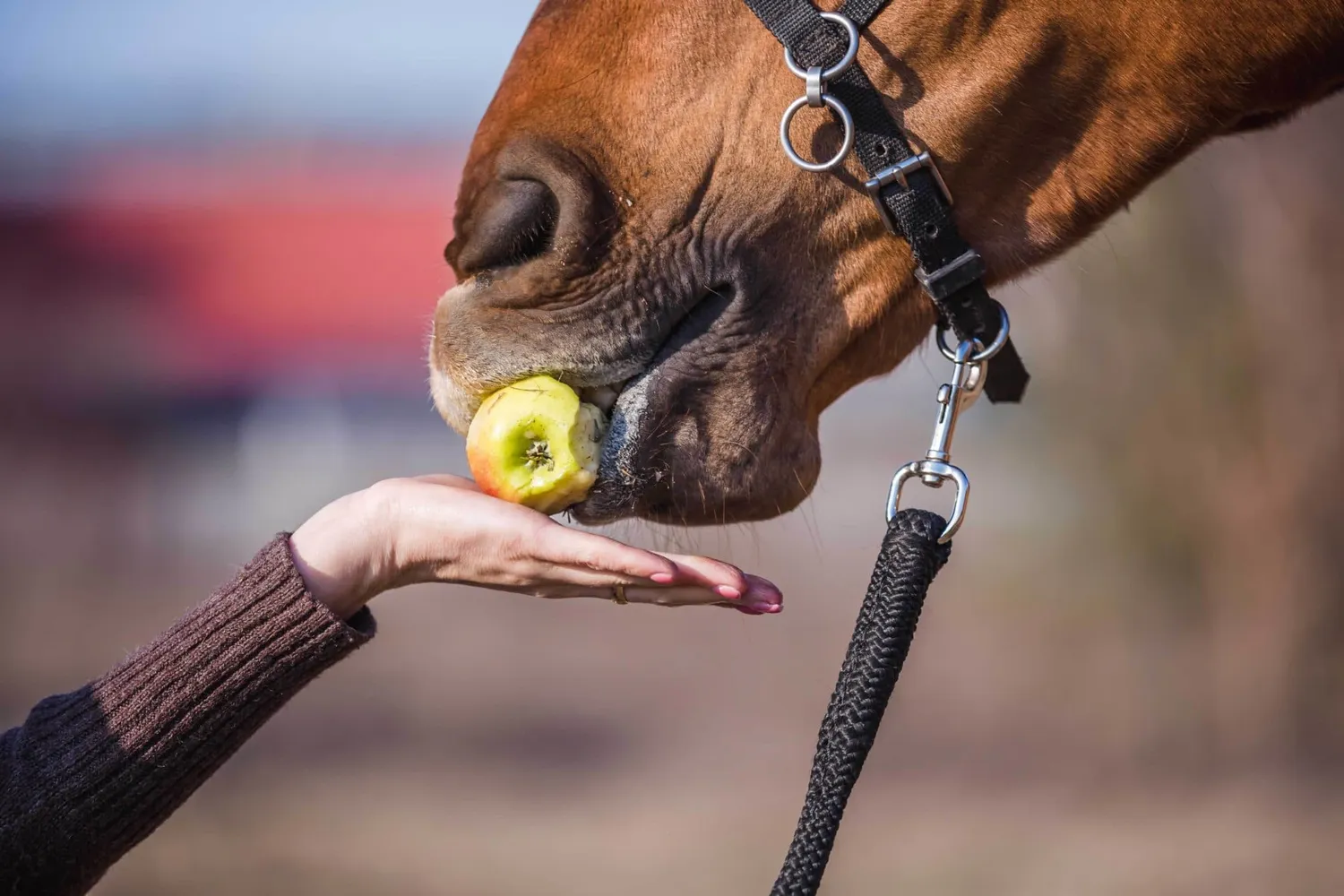
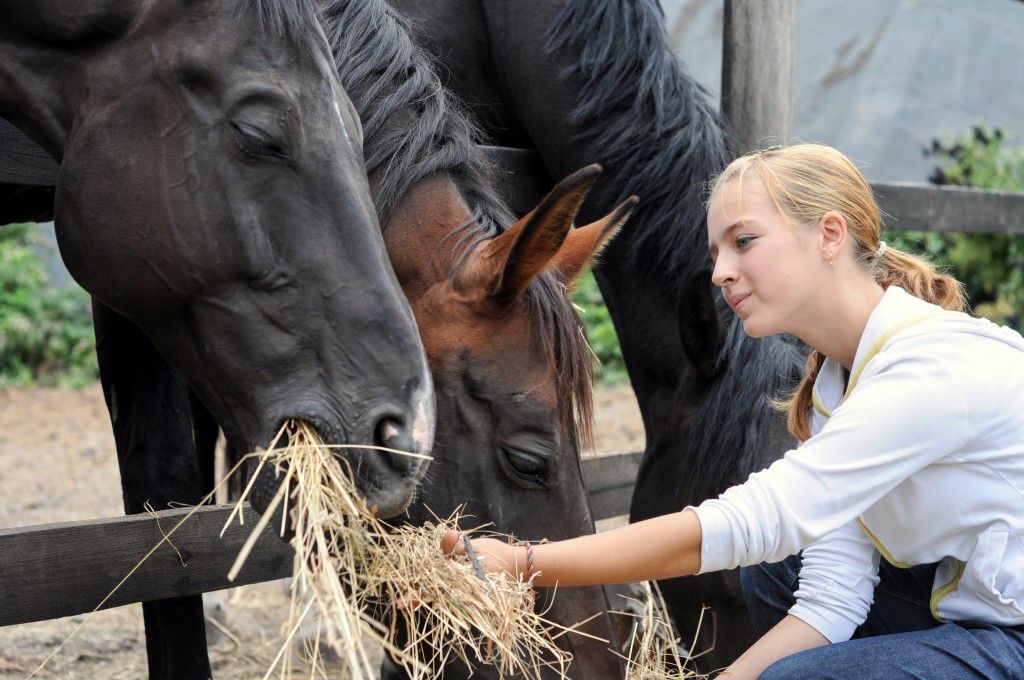
The primary component of a horse's diet should be forage, which includes hay and pasture grass. Horses are natural grazers, and their digestive systems are designed to process forage. In fact, a horse should consume 1-2% of its body weight in forage daily. For a 1,000-pound horse, this translates to 10-20 pounds of hay or grass.
There are different types of hay available, such as timothy, alfalfa, and orchard grass. The choice of hay depends on the horse's age, activity level, and health requirements. For instance, alfalfa is richer in protein and calcium, making it suitable for young, growing horses or lactating mares. On the other hand, timothy or orchard grass hays are often preferred for adult horses.
2. Concentrates: Grains and Pellets
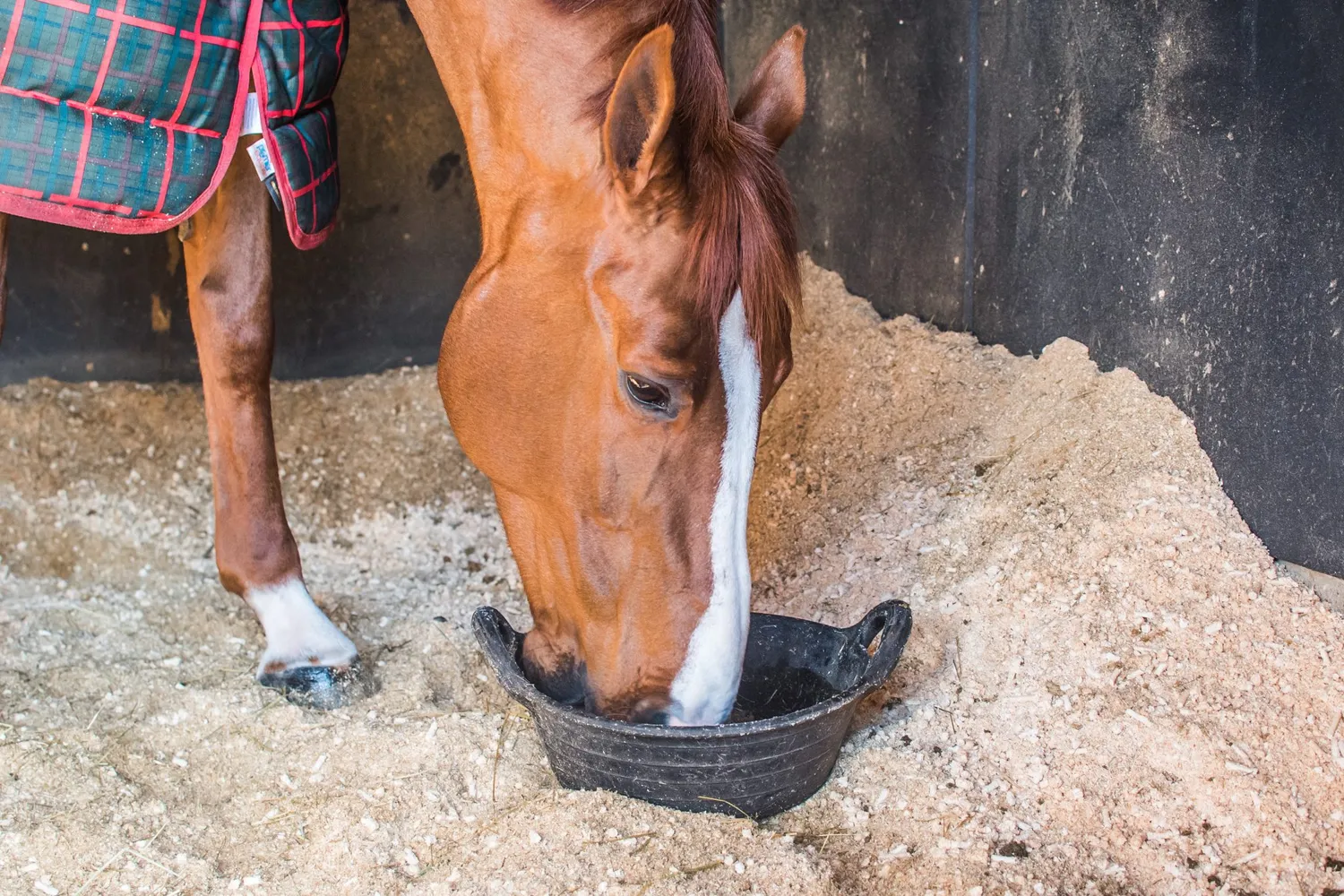
While forage should be the foundation, some horses, especially those with high energy demands or those unable to maintain weight on forage alone, may benefit from concentrates. These include grains like oats, corn, and barley or commercially prepared pelleted feeds.
Oats are often the grain of choice because they are easily digestible. Corn is energy-dense but should be fed with caution as it can lead to obesity. Barley, while less common, can be a good middle ground between oats and corn.
When choosing a commercial feed, it's essential to select one that matches the horse's life stage and activity level. Always follow the manufacturer's feeding recommendations and adjust based on the horse's condition and needs.
3. Supplements: Meeting Specific Needs
While a balanced diet of forage and concentrates can meet most of a horse's nutritional needs, some horses may benefit from supplements. These can range from vitamin and mineral mixes to specific supplements for joint health, hoof quality, or digestive support.
Before adding any supplement, it's crucial to consult with a veterinarian or equine nutritionist. Over-supplementation can be as harmful as a deficiency. Visit here to know more about the best supplements for horses.
4. Water: The Essential Ingredient
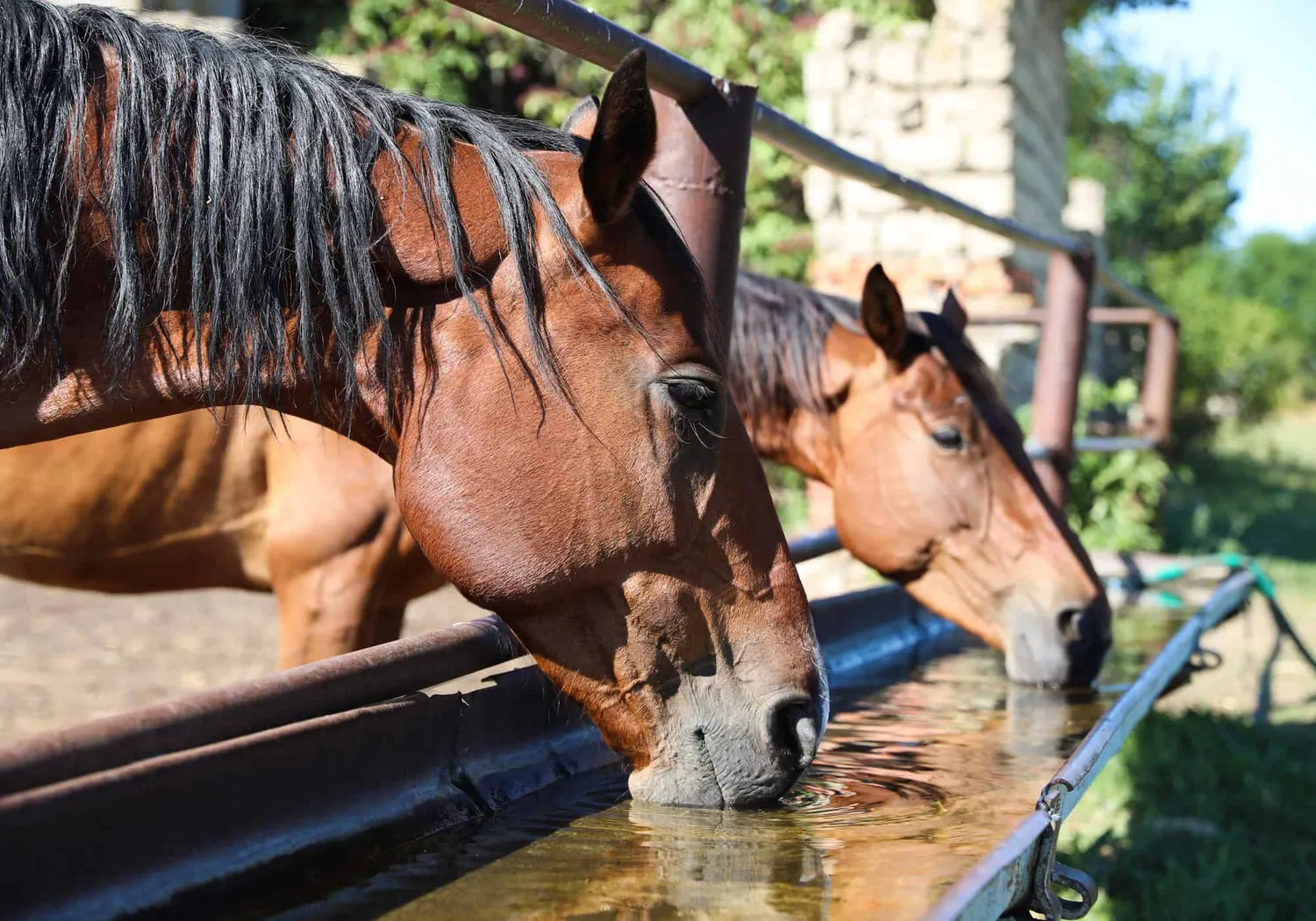
Water is, without a doubt, the most crucial component of a horse's diet. Horses can consume anywhere from 5 to 15 gallons or more per day, depending on their size, activity level, and environmental conditions. Always ensure that your horse has access to clean, fresh water.
5. Salt and Minerals
Horses need salt and other minerals for various bodily functions. Providing a salt block or loose salt can help meet this need. Additionally, mineral blocks designed for horses can ensure they receive essential minerals like calcium, phosphorus, and magnesium.
6. Special Considerations
Senior Horses: As horses age, their nutritional needs and digestive efficiency change. Senior feeds are designed to be easily digestible and provide the necessary nutrients for older horses. They often come in a pelleted form, which is easier for horses with dental issues to consume.
Pregnant or Lactating Mares: These mares have increased nutritional demands. Specialized feeds and supplements can help meet these needs, ensuring the health of both the mare and her foal.
Horses with Health Issues: Some horses may have specific health concerns, such as laminitis, ulcers, or metabolic disorders. These horses often require specialized diets tailored to their condition.
Conclusion
Feeding a horse is both an art and a science. While there are general guidelines to follow, each horse is an individual with its own unique needs. Regularly monitoring your horse's body condition, weight, and overall health, and adjusting the diet accordingly, is essential. With the right balance of forage, concentrates, and supplements, you can ensure your horse remains healthy and vibrant for years to come.