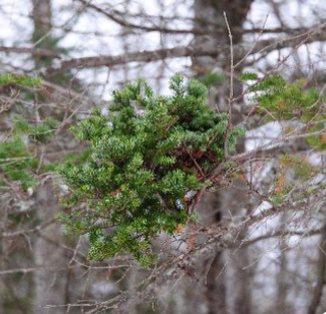
Balsam firs are evergreen trees that are prominent in cold regions of North America. These trees are known for their beauty and rich history - they've been used for both spiritual and practical purposes for centuries. From Christmas trees to aromatherapy, balsam firs are a great addition to any household. In this article, we will explore the benefits and beauty of balsam firs.
Health Benefits
Balsam fir essential oil is commonly used in aromatherapy. It is known to relieve stress, fatigue, and respiratory conditions. The essential oil is extracted from the needle-like leaves of the tree and can be used in a diffuser or applied topically. The scent of balsam fir is also known to have a calming effect on our nervous system, reducing inflammation and boosting the immune system.
Christmas Tradition
Balsam firs are the traditional Christmas tree for many North American households. These trees have dense, blue-green needles that are soft to the touch and perfect for hanging ornaments. They also have a signature evergreen scent that can fill a home with holiday spirit. Balsam firs are grown in abundance in the northeastern United States and are a great way to support local farmers.
Timber and Paper Industry
Balsam firs have long been used for their strong, sturdy wood. It is commonly used in construction and to make paper products. The bark of the balsam fir contains a resin that is used to make turpentine, a solvent that is used in paint thinner and other industrial applications. Balsam fir forests are also home to many wildlife species, including moose, deer, and birds.
Traditional and Spiritual Uses
Indigenous peoples have used balsam firs for medicinal purposes for centuries. The needles and bark were used to treat colds and other ailments. Balsam fir resin has also been used in spiritual and religious ceremonies. The smoky aroma from the burning resin is believed to carry prayers and offerings to the divine.
Ecological Benefits
Balsam firs are an important tree species for the ecology of the northeastern United States and Canada. They are important for soil stabilization and help to prevent erosion. Balsam firs are also an important source of food for wildlife, including moose and deer. These trees play an important role in the carbon cycle by absorbing and storing carbon dioxide from the atmosphere.
Conclusion:
Balsam firs are a versatile and important tree species for both practical and spiritual purposes. From supporting the local economy to providing ecological benefits, these trees are an important part of our world. Whether you're looking to add some holiday cheer to your home or benefit from the calming effects of the essential oil, balsam firs have something to offer. Next time you see a balsam fir, take a moment to appreciate the beauty and importance of this tree.