Ever dreamt of having a lush, serene garden that mirrors the tranquility of Japanese landscapes? If so, Japanese forest grass might be your ideal plant. Popular among gardening enthusiasts and landscape designers alike, this ornamental grass offers both aesthetic appeal and ease of care. In this comprehensive guide, we’ll explore everything you need to know about Japanese forest grass growing conditions. From soil requirements to watering schedules, we’ll cover it all to ensure your garden thrives.
What is Japanese Forest Grass?
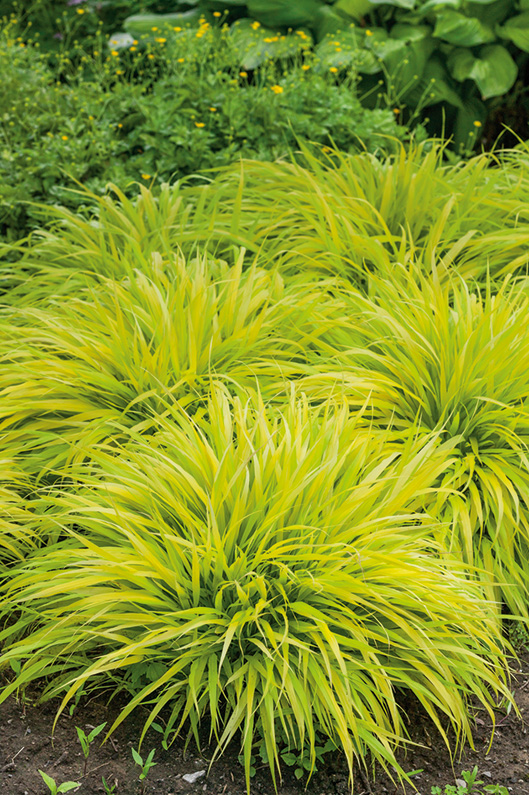
Japanese forest grass, scientifically known as Hakonechloa macra, is a graceful, arching ornamental grass native to Japan. Its soft, flowing blades create a waterfall effect, making it a stunning addition to any garden. Known for its vibrant green foliage, which can turn golden or red in the fall, it adds dynamic color and texture throughout the seasons.
The Ideal Climate for Japanese Forest Grass
Japanese forest grass flourishes in temperate climates. It’s hardy in USDA Zones 5-9, meaning it can withstand a variety of weather conditions. However, it excels best in cooler, shaded environments that mimic its native woodland habitat. If you live in a region with hot summers, providing some afternoon shade will help the grass maintain its color and vigor.
Soil Requirements
Rich, Well-Draining Soil
For optimal growth, Japanese forest grass prefers rich, well-draining soil. Aim for a soil composition that includes organic matter such as compost or leaf mold. A soil pH between 5.5 and 7.0 is ideal for this plant.
Improving Soil Quality
To improve soil quality, consider adding organic compost before planting. This not only enhances nutrient content but also improves soil structure, aiding in better root development. Regularly mulching around the base of the plant can also help retain moisture and keep the roots cool.
Avoiding Heavy Clay
Avoid planting Japanese forest grass in heavy clay soils that retain water. If your garden has clay soil, amend it with sand and organic matter to improve drainage.
Sunlight Needs
Partial to Full Shade
Japanese forest grass thrives in partial to full shade. It needs only a few hours of sunlight per day, preferably in the morning or late afternoon. Too much direct sun can scorch its delicate leaves, reducing its aesthetic appeal.
Finding the Right Spot
Choose a location in your garden that receives dappled sunlight. Underneath deciduous trees or alongside shaded walkways are excellent spots. If your garden lacks natural shade, consider installing a shade cloth to protect the grass from harsh sunlight.
Seasonal Changes
While Japanese forest grass can tolerate varying light conditions, its coloration may change with the seasons. Expect the leaves to turn golden-yellow or reddish-brown in the fall, adding seasonal interest to your garden.
Watering Schedule
Consistent Moisture
Japanese forest grass prefers consistent moisture but does not tolerate waterlogged conditions. Water the plant deeply once a week, ensuring the soil remains moist but not soggy. During hot, dry spells, increase watering frequency to prevent the soil from drying out.
Mulching Benefits
Mulching around the base of the plant helps retain soil moisture and keeps the roots cool. Organic mulch such as wood chips or shredded leaves works best. Be sure to leave a small gap around the plant's base to prevent rot.
Drought Resistance
Once established, Japanese forest grass exhibits moderate drought resistance. However, prolonged dry periods can stress the plant, leading to browning edges and stunted growth. Regular watering during dry spells is essential to maintain its lush appearance.
Fertilization Needs
Slow-Release Fertilizer
A slow-release fertilizer applied in early spring encourages strong growth. Choose a balanced, all-purpose fertilizer with equal parts nitrogen, phosphorus, and potassium. Follow the package instructions for the correct application rate.
Organic Options
For those who prefer organic gardening, compost or well-rotted manure are excellent alternatives. These organic fertilizers provide a steady supply of nutrients while improving soil structure.
Avoid Over-Fertilizing
Over-fertilizing can lead to excessive foliage growth at the expense of root development. Stick to the recommended application rates to avoid nutrient imbalances.
Pruning and Maintenance
Annual Pruning
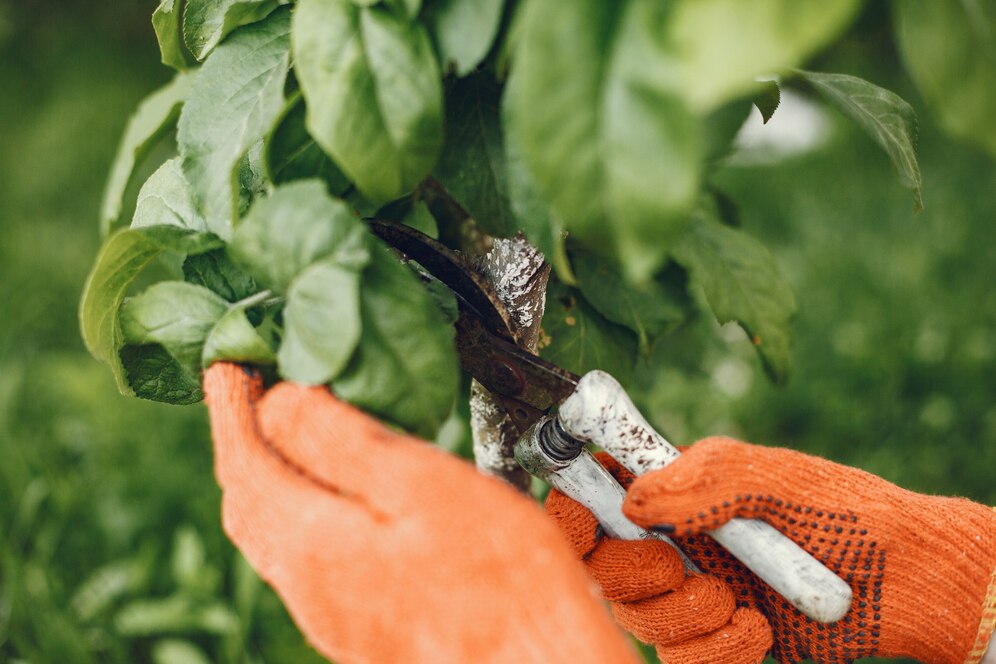
Japanese forest grass requires minimal pruning. In late winter or early spring, trim back dead or damaged leaves to make way for new growth. Use sharp, clean scissors or pruning shears to avoid damaging the plant.
Controlling Spread
Though not aggressive, Japanese forest grass can slowly spread by rhizomes. If you wish to control its spread, consider installing a root barrier around the planting area. This prevents the plant from encroaching on other parts of your garden.
Dividing Clumps
Every few years, consider dividing mature clumps to rejuvenate the plant and prevent overcrowding. Early spring is the best time for this task. Dig up the clump, separate the rhizomes, and replant them in well-prepared soil.
Pest and Disease Management
Common Pests
Japanese forest grass is relatively pest-free, but keep an eye out for common garden pests like slugs and snails. These can chew on the leaves, causing unsightly damage. Use organic slug traps or hand-pick pests to keep them in check.
Disease Prevention
This plant is also resistant to most diseases. However, overly wet conditions can lead to root rot. Ensure your soil is well-draining and avoid over-watering to prevent fungal issues.
Natural Predators
Encourage natural predators like birds and beneficial insects to help control pest populations. Providing bird feeders and insect-friendly plants can create a balanced garden ecosystem.
Companion Planting
Best Companions
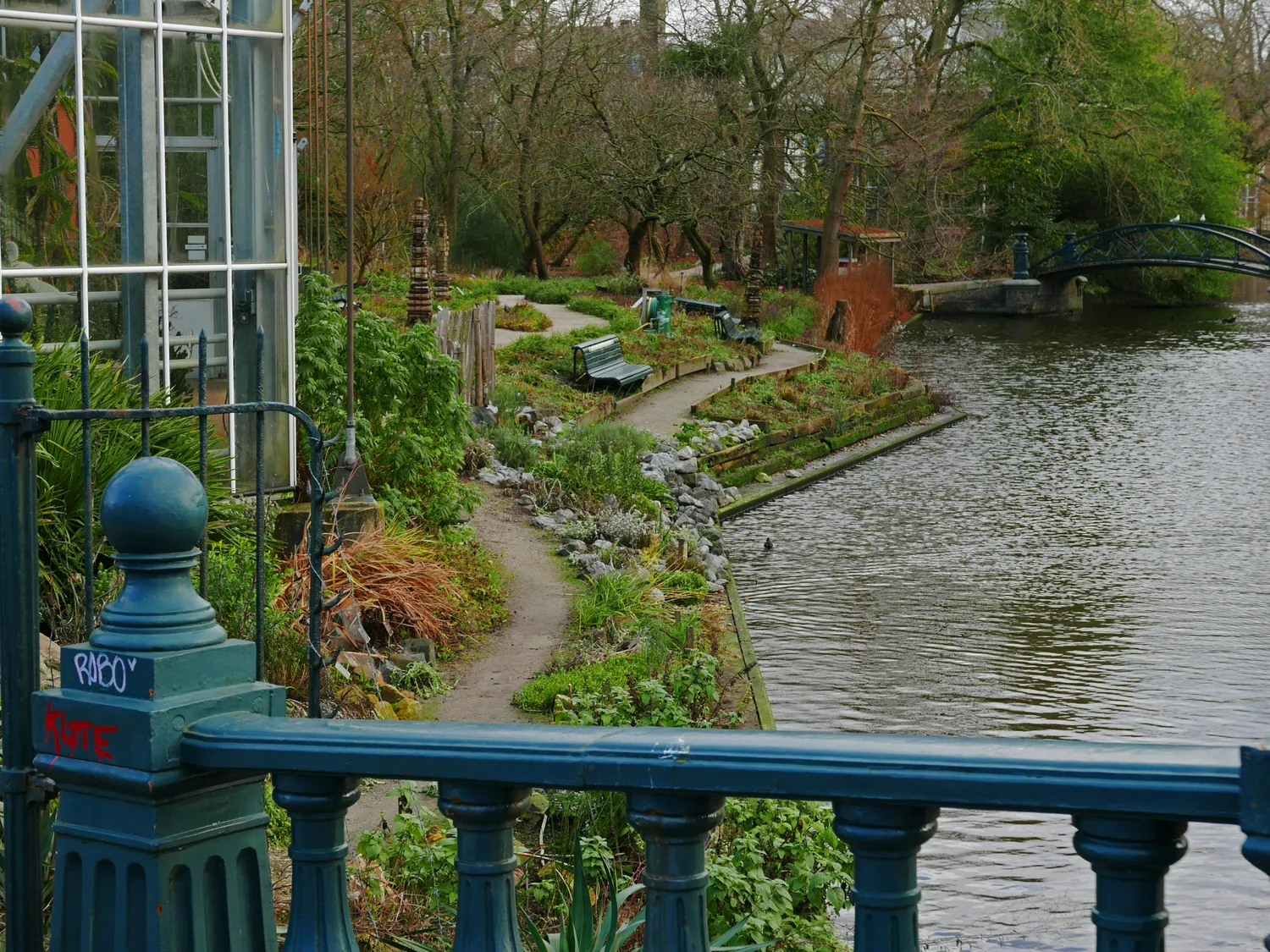
Japanese forest grass pairs beautifully with other shade-loving plants. Consider planting it alongside hostas, ferns, and astilbes for a lush, woodland-inspired garden.
Creating Contrast
For striking visual contrast, mix Japanese forest grass with darker-leaved plants like heucheras or with flowering perennials like hydrangeas. The soft, flowing blades provide a lovely backdrop for bolder textures and colors.
Seasonal Interest
To extend the seasonal interest of your garden, interplant Japanese forest grass with spring bulbs like daffodils or tulips. These will bloom early, adding color before the grass reaches its peak.
Using Japanese Forest Grass in Landscape Design
Pathways and Borders
Japanese forest grass is perfect for lining pathways and borders. Its low, mounding habit softens hard edges and creates a natural flow.
Rock Gardens
In rock gardens, Japanese forest grass adds texture and movement. The contrast between the grass's soft blades and the rugged rocks creates a visually appealing landscape.
Container Gardening
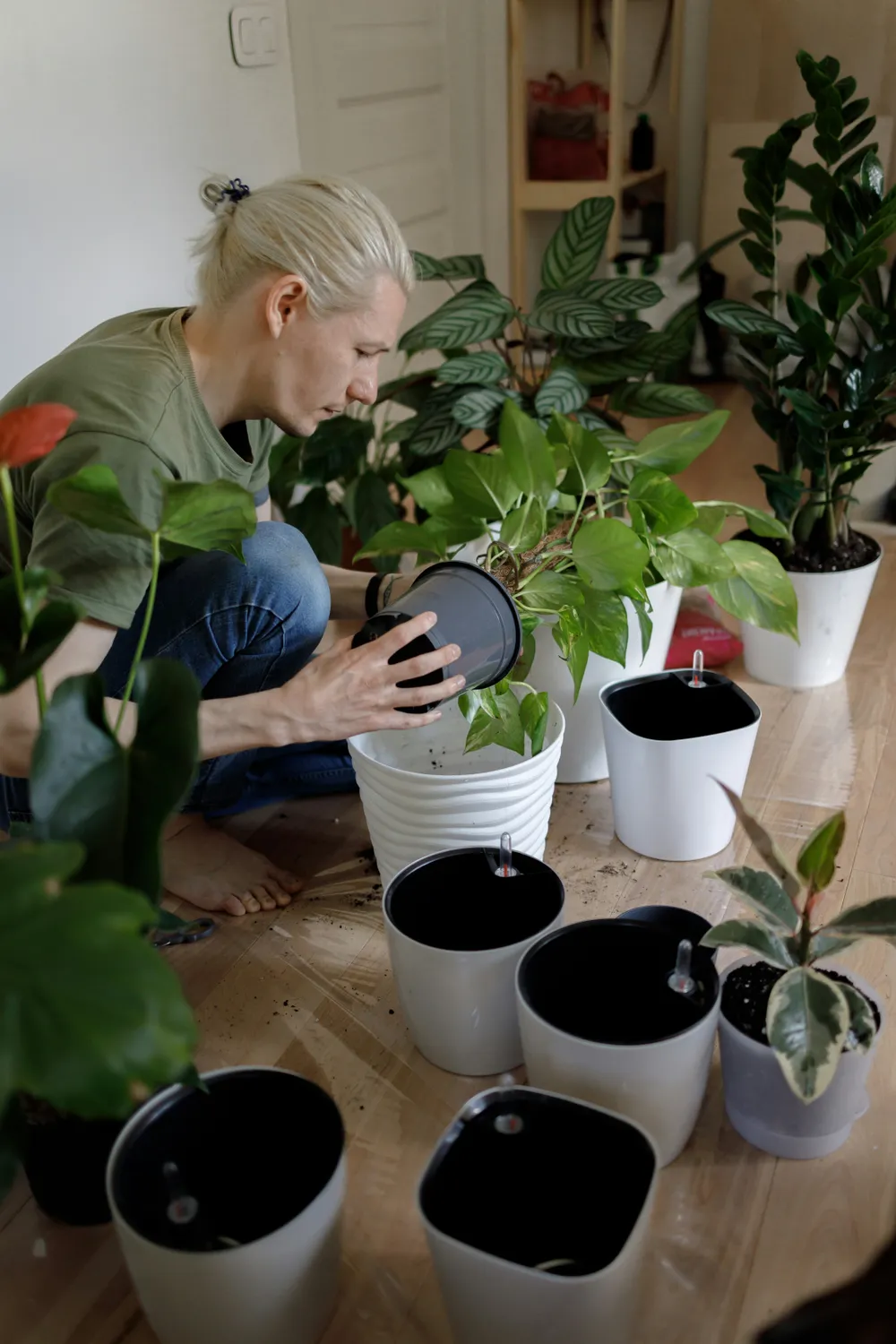
For those with limited space, Japanese forest grass thrives in containers. Choose a wide, shallow pot to accommodate its spreading habit and use a well-draining potting mix.
Seasonal Care Tips
Spring Care
In early spring, apply a slow-release fertilizer and prune back dead foliage. Divide clumps if necessary and mulch around the base to retain moisture.
Summer Care
Provide consistent watering during summer, especially in hot, dry conditions. Monitor for pests and remove any damaged leaves to keep the plant looking its best.
Fall and Winter Care
In fall, enjoy the changing colors of the foliage. Reduce watering as the weather cools. In winter, protect the plant from severe cold by applying a thick layer of mulch.
Conclusion
Japanese forest grass is a versatile and beautiful addition to any garden. With the right growing conditions, it can thrive and bring year-round interest to your landscape. By following the tips outlined in this guide, gardening enthusiasts and landscape designers can create stunning gardens that feature this elegant plant.
Ready to transform your garden with Japanese forest grass? Start planting today and witness the beauty it brings to your outdoor space. If you have any questions or need further assistance, feel free to reach out to our gardening experts for personalized advice. Happy gardening!