Japanese Gardens
Japanese gardens are known for their beauty, serenity, and unique features. They represent harmony with nature and emphasize simplicity and elegance. Creating a Japanese-inspired garden is easier than you might think and can bring a sense of calm and peace to your outdoor space. In this post, we'll share some simple tips on how to add a Japanese touch to your garden.
1. Start with a Water Feature
A water feature is an essential element of a Japanese garden. It can be as simple as a small fountain or as elaborate as a pond with koi fish. The sound of flowing water creates a peaceful atmosphere and adds a natural element to your garden. If you have the space, consider adding a small bridge over your pond to complete the Japanese look.
2. Add Rocks and Stones
Rocks and stones are a fundamental element of Japanese garden design. Boulders of varying sizes, pebbles, and gravel can add texture and interest to your garden. They can be used to create a rocky stream or to line the border of a pathway. You can also arrange rocks in a way that mimics the natural landscape, like a miniature mountain.
3. Create Symmetry and Balance
Symmetry and balance are often found in Japanese gardens, and they create a sense of harmony and order. A simple way to incorporate this into your garden is to create a focal point at the center and have the other elements radiate from it. This could be a statue, a lantern, or a carefully pruned tree. Use symmetry in your plantings, and create gentle curves in your paths.
4. Use Natural Materials
Using natural materials like bamboo, wood, and stone can add a traditional Japanese touch to your garden. Bamboo can be used to create a fence or trellis, while wood can be used for garden furniture. Stone can be used to create stepping stones or a stone basin to hold water. This will help to create a relaxing, Zen-inspired space.
5. Think about Plant Selection
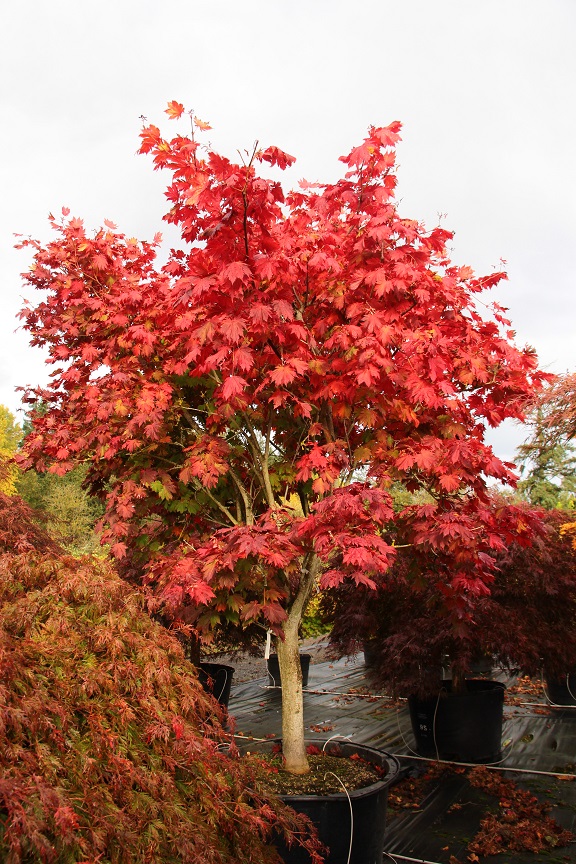
Japanese gardens often use a limited number of plant species, with a focus on evergreens and plants that are native to Japan. Consider adding plants like Japanese maples, azaleas, and bonsai trees. Use plants with different shapes, textures, and colors, and group them in a way that creates interest and balance.
Conclusion:
By following these simple tips, you can add a touch of Japan to your garden and create a peaceful and serene space. Remember to keep it simple, focus on balance and harmony, and use natural materials. A Japanese-inspired garden will not only be beautiful but also a great place to escape from the stress of everyday life.