The Western Red Cedar (Thuja plicata) is a magnificent evergreen tree native to the Pacific Northwest of North America, where it has long been cherished for its beauty, versatility, and durability. Known for its rich, reddish-brown bark and fragrant, scale-like leaves, the Western Red Cedar is a popular choice for landscaping, hedges, and windbreaks, as well as for lumber due to its natural resistance to decay. But to ensure this tree thrives, understanding its growing zone requirements is crucial.
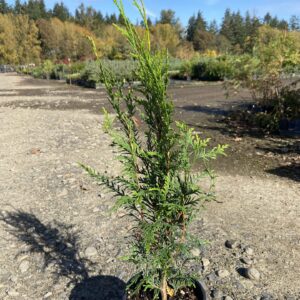
In this blog, we’ll explore the ideal growing zones for Western Red Cedar, its care requirements, and how to make the most of this stunning conifer in your landscape.
What Are USDA Growing Zones?
Before diving into the specific growing zones for Western Red Cedar, it’s important to understand what USDA growing zones are. The USDA Plant Hardiness Zones are a system used to determine where different plants will thrive based on average annual minimum temperatures. The United States is divided into 13 zones, each representing a 10°F range of average minimum winter temperatures. By knowing the USDA zone for your area, you can choose plants that are best suited to your climate.
Ideal Growing Zones for Western Red Cedar
The Western Red Cedar’s scientific name is Thuja plicata 'Virescens', it thrives in USDA hardiness zones 5 through 9. These zones cover a broad range of climates, from the cool and temperate Pacific Northwest to parts of the Southeast and Southern Midwest. Let's break down what you can expect in each of these zones:
- Zone 5: In this zone, which has average minimum temperatures of -20°F to -10°F, the Western Red Cedar can still thrive, but it will require protection from extremely harsh winters, especially when young. This zone includes parts of the Northern Midwest and interior New England.
- Zone 6: With minimum temperatures ranging from -10°F to 0°F, this zone is slightly milder and is found in areas like parts of the Mid-Atlantic, the upper South, and parts of the Rockies. The Western Red Cedar performs well here with proper care, particularly regarding soil and moisture levels.
- Zone 7: Zone 7 covers parts of the South, mid-Atlantic, and coastal Pacific Northwest. The temperatures in this zone range from 0°F to 10°F, which is ideal for the Western Red Cedar. It can grow to its full potential here with minimal cold stress.
- Zone 8: This zone, which ranges from 10°F to 20°F, is perfect for Western Red Cedar, as it mimics its native climate. Much of the Pacific Northwest, including coastal Oregon and Washington, falls in this zone. The tree grows tall and strong in these areas, thriving in the moist, cool conditions.
- Zone 9: With minimum temperatures ranging from 20°F to 30°F, Zone 9 includes parts of the Southeast and Southern California. The Western Red Cedar can thrive here, but it is important to ensure proper moisture levels since some areas in this zone can be warmer and drier than the tree’s native environment.
Climate Considerations for Western Red Cedar
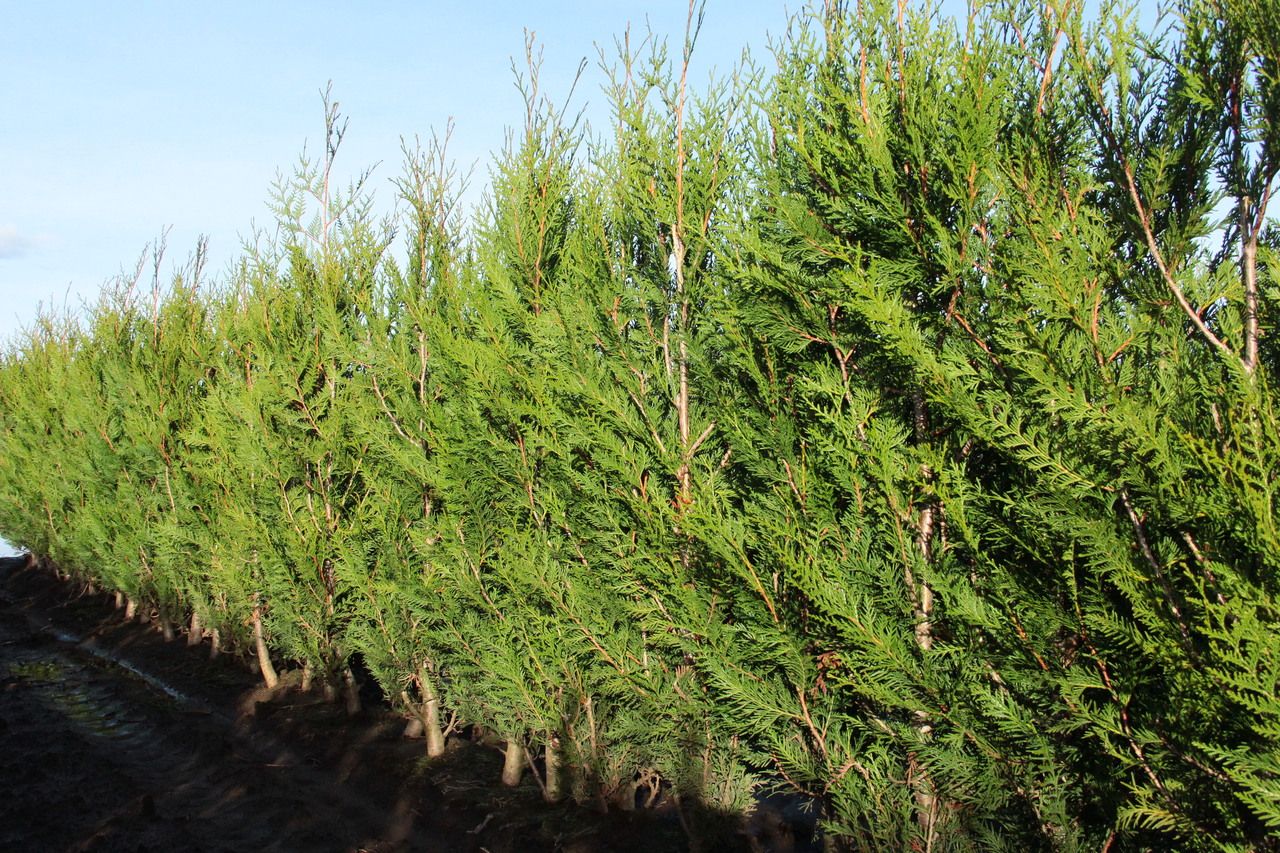
While USDA zones are a good guide, other factors like humidity, rainfall, and soil conditions are also important for growing Western Red Cedar. Here are some specific considerations to keep in mind:
- Rainfall: Western Red Cedar prefers areas with consistent rainfall. It is native to the Pacific Northwest, where the climate is wet and mild. In drier climates or periods of drought, you will need to provide supplemental watering to ensure the tree’s health.
- Soil: This tree thrives in moist, well-draining soils. It prefers slightly acidic to neutral soil but is quite adaptable to different soil types as long as it isn’t waterlogged. In areas with clay or poorly draining soil, consider planting on a slope or raised bed to ensure adequate drainage.
- Humidity: Western Red Cedar can tolerate a wide range of humidity levels but prefers moderate to high humidity, typical of its native coastal range. In areas with lower humidity, the tree may require extra attention to watering and mulching to retain moisture.
- Sunlight: Western Red Cedar does best in full sun to partial shade. In its native range, it grows in forested areas where it often receives dappled light. However, in urban or landscaped settings, it can tolerate more direct sunlight if proper moisture is maintained.
Planting and Care Tips for Western Red Cedar
To ensure the success of your Western Red Cedar, it’s important to follow some basic planting and care guidelines.
1. Site Selection
Choose a site that provides enough space for the tree to grow to its full potential. The Western Red Cedar can reach heights of 50 to 70 feet, with a spread of 15 to 25 feet, so make sure there’s adequate room for its root system to develop. Select a location with well-draining soil and sufficient moisture, and avoid areas that are prone to prolonged drought or standing water.
2. Planting
The best time to plant Western Red Cedar is in the fall or early spring when the soil is cool and moist. Dig a hole that is twice the width of the root ball but no deeper than the root ball’s height. After placing the tree in the hole, backfill with soil and water thoroughly. Adding a layer of mulch around the base will help retain moisture and regulate soil temperature.
3. Watering
Consistent moisture is key, especially during the first few years after planting. Water deeply once a week, ensuring that the soil remains moist but not waterlogged. If you live in a drier area or experience periods of drought, be sure to increase watering frequency.
4. Pruning
Western Red Cedars require minimal pruning, but it can be done to remove dead or damaged branches. If using the tree as a hedge or windbreak, regular shaping may be necessary to maintain a uniform appearance.
5. Pest and Disease Management
Western Red Cedar is relatively pest-resistant, but it can occasionally suffer from infestations of scale insects or aphids. If you notice any signs of pests, treat the tree with insecticidal soap or neem oil. Root rot can be a problem in overly wet soils, so make sure the planting site has good drainage.
Using Western Red Cedar in Your Landscape
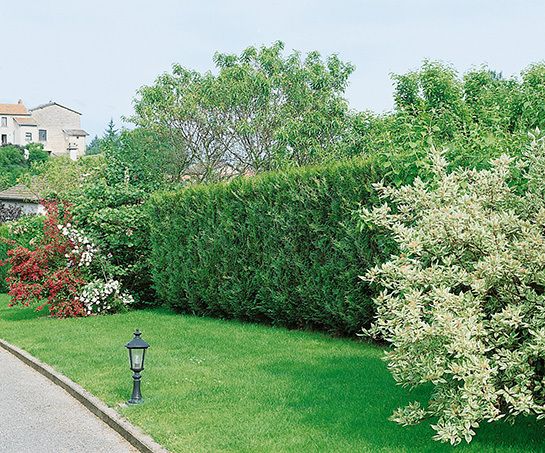
Western Red Cedar is a versatile tree that can be used in various landscape designs. Here are some popular ways to incorporate it into your garden or yard:
- Hedges and Windbreaks: Due to its dense foliage, Western Red Cedar is ideal for creating privacy hedges and windbreaks. Its evergreen nature ensures year-round coverage.
- Ornamental Tree: In larger landscapes, Western Red Cedar can be used as a focal point or specimen tree. Its towering presence and striking reddish-brown bark add a touch of natural beauty to any setting.
- Wildlife Habitat: Western Red Cedar provides excellent shelter and nesting sites for birds and other wildlife. Its dense foliage offers protection, while its seed cones provide food for various species.
FAQs
1. Can Western Red Cedar grow in hot climates?
- Western Red Cedar can grow in USDA zones as warm as Zone 9, but it prefers cooler, more temperate climates. In hot climates, it requires regular watering and shade during the hottest parts of the day.
2. How tall does Western Red Cedar grow?
- Western Red Cedar can reach heights of 50 to 70 feet, with a spread of 15 to 25 feet. In ideal conditions, it may grow even taller.
3. Does Western Red Cedar need a lot of water?
- Western Red Cedar prefers consistently moist soil, particularly during its early years. While it can tolerate some drought once established, supplemental watering may be necessary during dry periods.
4. What type of soil is best for Western Red Cedar?
- The tree thrives in moist, well-draining soil that is slightly acidic to neutral. It can tolerate various soil types as long as there is adequate drainage.
5. Is Western Red Cedar resistant to pests?
- Yes, Western Red Cedar is relatively resistant to most pests, but it can sometimes be affected by scale insects or aphids. Regular monitoring and treatment with insecticidal soap can help control any infestations.
6. Can I grow Western Red Cedar as a hedge?
- Yes, Western Red Cedar is an excellent choice for hedges due to its dense foliage and evergreen nature. It can provide privacy and act as a windbreak throughout the year.
Conclusion
Western Red Cedar is a beautiful and versatile tree that can thrive in a variety of climates, particularly in USDA zones 5 to 9. With the right care and attention, it can become a striking addition to your landscape, whether used as a hedge, windbreak, or ornamental tree. By understanding its growing zone requirements and providing the appropriate care, you’ll enjoy the beauty and benefits of this majestic tree for years to come.