The world of landscaping can be overwhelming with so many choices. But if you're looking for a plant that's both elegant and adaptable, look no further than the Hicks Yew. This narrow, evergreen shrub boasts a rich history and a long list of qualities that make it a champion for landscapes of all shapes and sizes.
A Match Made in the Nursery
Born in 1900 at the Hicks Nursery in Long Island, NY, the upright Hicks Yew is the product of a brilliant horticultural pairing. Breeders crossed the English Yew (Taxus baccata) for its refined looks with the Japanese Yew (Taxus cuspidata) for its cold-hardiness. The result? A landscaping superstar that thrives in a wide range of climates.
Standing Tall and Proud
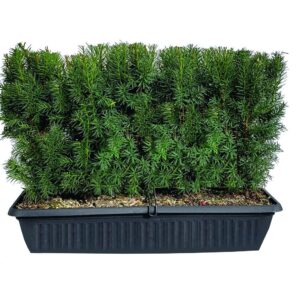
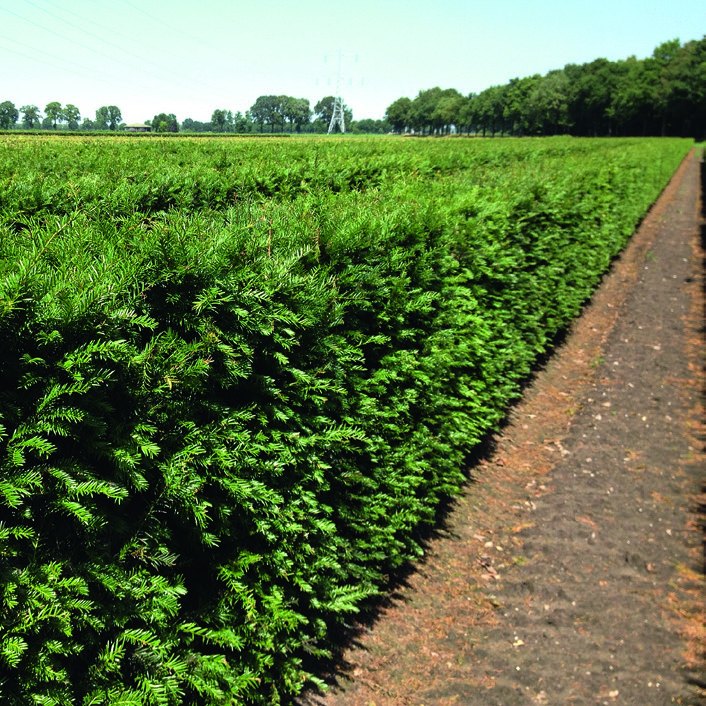
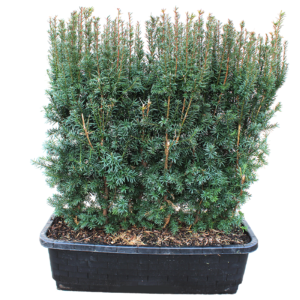
The Hicks Yew stands out with its distinctive silhouette. Its dense, upright branches hold two rows of flat, dark green needles, creating a narrow, columnar form. This makes it an ideal choice for hedges and privacy screens, but its versatility doesn't stop there.
A Touch of Red in the Fall
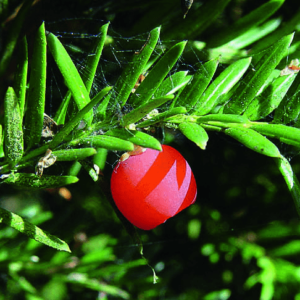
While the Hicks Yew offers year-round beauty with its evergreen foliage, fall brings an extra touch of charm. The female plants produce stunning red, berry-like arils, adding a pop of color to the landscape. However, it's important to remember that most parts of the Hicks Yew are toxic, so keep it out of reach of pets, livestock, and children.
Slow and Steady Wins the Race
The Hicks Yew is a patient grower, putting on 8-10 inches per year. This translates to a manageable size of 8 feet tall by 2 feet wide in 10 years. But don't worry if you have specific size requirements. This shrub responds well to pruning and can be easily maintained at a desired height of 3-4 feet or higher.
Sun or Shade, No Problem
One of the most attractive features of the Hicks Yew is its adaptability to light conditions. It thrives in full sun or partial shade, making it a valuable addition to various areas of your landscape. Plant it as a border shrub, foundation planting, or use it to create a stunning entranceway. It even does well in woodland gardens, cityscapes, and containers, offering a touch of evergreen elegance wherever you need it.
Adaptable and Thriving
The Hicks Yew isn't picky about soil type, as long as it's moist and well-draining. It tolerates clay soil and a range of conditions within its hardiness zones (4-7). The only things it dislikes are constantly wet soil and harsh winter winds.
Bonus Points for Toughness
Here's where the Hicks Yew truly shines. This shrub is a champion of resilience. It's resistant to rabbits, drought, shade, salt spray, and even urban pollution. This makes it a perfect choice for suburban, urban, and coastal landscapes.
Planting the Perfect Partners
When choosing companion plants for your Hicks Yew, consider their light tolerance. Shrubs like weigela, spirea, barberry, lilac, and azalea are all happy in both sun and shade and will complement the yew's dark green foliage beautifully. For a touch of color and texture at the base, consider low-growing perennials like periwinkle, creeping phlox, hostas, or coral bells. Spring bulbs like tulips, daffodils, and hyacinths add a burst of color in the early spring, creating a delightful contrast with the evergreen backdrop.
With its rich history, adaptability, and stunning looks, the Hicks Yew is a landscaping champion waiting to be discovered. So, if you're looking for a versatile plant that will add elegance and structure to your landscape, consider planting a Hicks Yew. It might just become your new favorite.