Japanese Cedar
Japanese Cedar, scientifically known as Cryptomeria japonica, is a magnificent evergreen tree that offers both beauty and versatility to any landscape. In this blog post, we will delve into the unique characteristics of Japanese Cedar, explore its growth habits, discuss its aesthetic value in different garden styles, and provide tips on cultivation and maintenance. Whether you're considering adding a Japanese Cedar to your landscape or simply want to learn more about this stunning tree, read on to discover its allure and potential for your outdoor space.
The Beauty of Japanese Cedar:
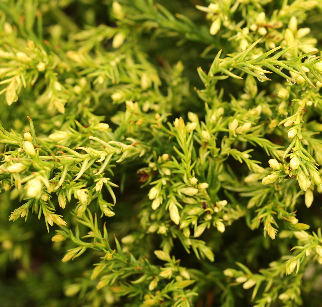
Japanese Cedar is renowned for its elegant and graceful appearance. It features soft, feathery foliage in shades of green, ranging from vibrant lime green in spring to deep green in summer and bronze or reddish hues in winter. Its pyramidal shape and upward-reaching branches create a striking silhouette, adding a touch of sophistication to any landscape.
Growth Habits and Size:
Japanese Cedar has a moderate to fast growth rate, making it an excellent choice for those seeking a tree that will establish itself relatively quickly. It can reach impressive heights of 50 to 70 feet (15 to 21 meters) and spread 20 to 30 feet (6 to 9 meters) wide. Its tall, columnar form adds vertical interest to the landscape and can be useful for creating privacy screens or windbreaks.
Landscaping Applications:
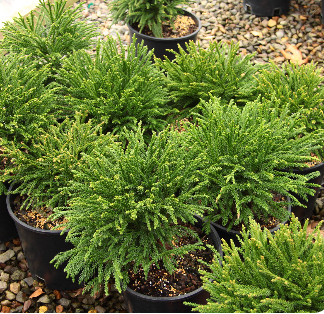
Japanese Cedar can be incorporated into various garden styles and settings. Its graceful form and evergreen foliage make it a captivating focal point in both formal and informal garden designs. It can be used as a standalone specimen tree, grouped with other conifers for a visually striking composition, or planted in rows to create a living hedge or windbreak. Japanese Cedar also pairs well with other plants, such as colorful flowering shrubs or ornamental grasses, creating beautiful contrasts in texture and color.
Cultivation and Maintenance:
Japanese Cedar thrives in full sun to partial shade and prefers moist, well-drained soil. It is relatively tolerant of different soil types, including sandy or clay soils, as long as they are not excessively wet. Regular watering, especially during dry spells, is crucial for its establishment. Once established, it becomes more drought-tolerant. Applying a layer of organic mulch around the base of the tree helps conserve moisture and suppress weed growth.
Pruning requirements for Japanese Cedar are minimal. However, periodic pruning can be done to remove dead or damaged branches and maintain its desired shape. Pruning is best done during the dormant season to minimize stress on the tree. Checking for pests and diseases and taking appropriate measures, such as applying suitable treatments, will help keep your Japanese Cedar healthy and vibrant.
Conclusion:
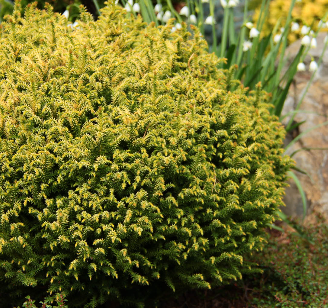
Japanese Cedar is a captivating evergreen tree that offers beauty, versatility, and vertical interest to your landscape. Its graceful form, soft foliage, and striking silhouette make it an excellent choice for various garden styles and applications. With proper cultivation and minimal maintenance, Japanese Cedar can become a majestic centerpiece or a stunning privacy screen in your outdoor space. Consider incorporating this magnificent tree into your landscape design to enjoy its year-round beauty and lasting appeal.